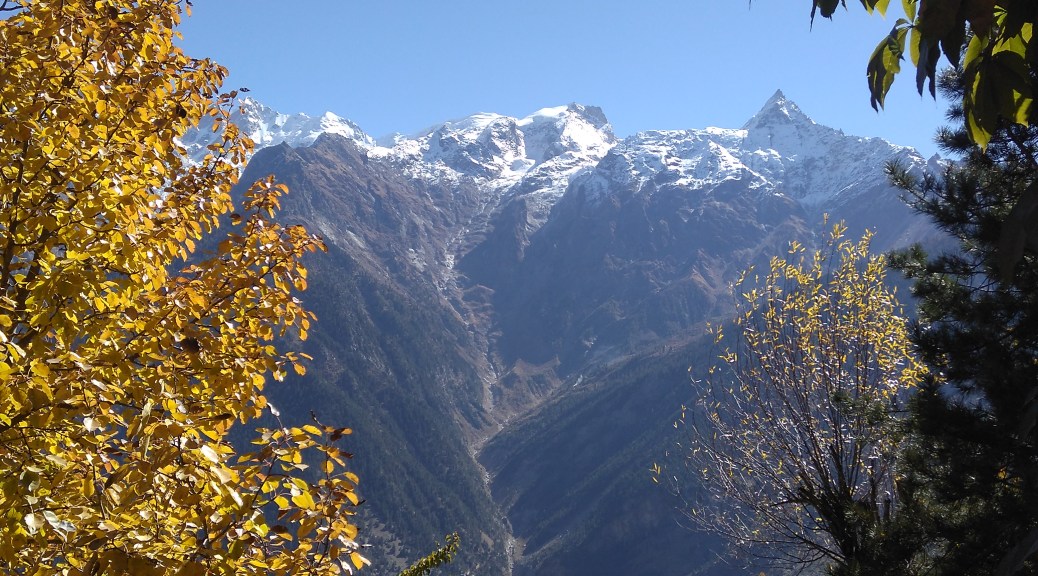
Things to Do in Spiti Valley: Adventure Awaits in the Himalayas
Have you ever dreamed of visiting a place filled with towering mountains, tranquil villages, and clear blue skies? Spiti Valley is an enchanting destination in Himachal Pradesh. Visitors can discover a variety of wondrous things to do in Spiti Valley, such as exploring monasteries, searching for fossils, and stargazing. A thrilling bike trip is one of the best ways to uncover this magnificent region, unveiling breathtaking vistas at every turn. Alternatively, if you prefer a more relaxed experience, you can choose a Spiti Valley tour package for a smooth and organised journey. Spiti welcomes every traveller with open arms and unforgettable experiences.
Best Things to Do in Spiti Valley
Here, you will find some of the best activities in to enjoy on a Spiti Valley bike trip that create unforgettable travel memories. From serene monasteries to thrilling adventures, everyone will find something to cherish in this destination.
1. Visit Key Monastery
Visiting the ancient Key Monastery, named Kye Gompa, ranks among the top things to do in Spiti Valley. Proudly resting on a hilltop for 1000 years, this ancient Tibetan Buddhist monastery appears like it is a carving of a fairy tale. The monastery consists of peaceful prayer halls where visitors can meet friendly monks and even choose to stay at night. The panorama from the high location becomes truly exceptional during sunrise. A visit to this venue offers educational experiences, and visitors can find both peace and photography opportunities.
2. Explore Chandratal Lake
Among all things to do in Spiti Valley, camping next to Chandratal Lake ranks as one of the most ethereal activities. Under the moonlit sky, the shimmering water creates the illusion of a mirror. During the daytime, the lake exhibits a visible transition from blue to green. The complete surround of snowy peaks and total silence transforms this place into the ultimate spot for observing stars. The destination is accessible after a brief walking trek from the parking area. Stay overnight in camps near the lake for a once-in-a-lifetime experience that feels nothing less than magical.
3. Experience Life in Kaza
Kaza stands as the leading town, which serves as the starting point for every adventure in Spiti Valley. It’s a blend of old-world charm and modern comforts. Visitors can roam through Kaza’s markets, where they can try momos and thukpa alongside opportunities to interact with locals and even rent bikes. Warm food and lovely views await visitors at The Himalayan Café and Sol Café. People planning a road trip or needing basic supplies should make Kaza their first stop because it provides all the necessities.
4. Fossil Hunting in Langza
Fossil hunting in Langza stands as one of the most exciting things to do in Spiti Valley for those who love mysteries. Millions of years ago, this area was under the sea. Now, the mountains hide ancient marine fossils like ammonites and shells. Hire a local guide who will accompany you on hill walks and help you to find genuine fossils sticking out from the rock surfaces. You can choose to purchase ancient fossils from residents, which serve as unique souvenir options.
5. See the Mummy at Gue Village
One of the most unique things to do in Spiti Valley is visiting Gue Village, where you’ll find a real 500-year-old mummy! You can witness a genuine monk mummy that naturally protects itself and is displayed in an enclosed glass case. Some believe that meditation enabled the monk to become self-mummified. The journey to Gue village provides beautiful natural scenery, and the place remains less crowded, making it a hidden destination. This mystical and spiritual site reveals a distinct side of Spiti that stays in your memory forever.
6. Trek to Dhankar Lake
Trekking to Dhankar Lake stands as the supreme peaceful outdoor experience within Spiti Valley. Starting at Dhankar Monastery, you can reach the destination in 1.5 hours by trekking. The lake exists deep within mountain territory, untouched by humans. Very few tourists visit these locations, which means you could become one with the surroundings. You can find the entire area to be an ideal location for a picnic because it allows quiet contemplation of nature. When visiting this site, remember to bring water, snacks, and wear comfortable footwear because the terrain contains stone pathways.
7. Spot Wildlife in Kibber
Looking for adventurous things to do in Spiti Valley? Try spotting snow leopards in Kibber Wildlife Sanctuary. Kibber maintains its position as the world’s highest permanently settled village and simultaneously serves as a habitat for ibex, blue sheep, and Himalayan wolves. One can observe snow leopards during winter months, and summer offers suitable conditions for hiking. Local guides organise wildlife tours, and even if you don’t spot a leopard, the mountain views and fresh air are worth it.
8. Take a Thrilling Bike Trip
A bike trip rates as one of the most exhilarating things to do in Spiti Valley. Riding through twisting paths while crossing rivers and visiting traditional settlements under the protective gaze of mountains becomes an unforgettable experience. You can stop at monasteries, lakes, and local cafes during your journey. Riding on two wheels will create a memory you will never forget.
Conclusion
This region of Spiti Valley holds various stunning surprises, along with tranquillity and remarkable scenic views. Whether you are riding through its high mountain roads, walking through quiet villages, or sitting under a sky full of stars, every moment here feels special. Numerous things to do in Spiti Valley welcome all types of travellers seeking adventure, experiencing natural beauty, local culture, and enjoying tranquillity. It’s a place where time slows down, and your heart feels full. So pack your bags, take the road less travelled, and let Spiti Valley fill your heart with unforgettable memories.
Frequently Asked Questions
1. What is Spiti Valley famous for?
Spiti Valley is famous for its natural surroundings, ancient monasteries, and soaring peaks.
2. How many days are enough for Spiti Valley?
A trip of 5 to 7 days is ideal for exploring Spiti Valley, which includes acclimatisation, exploration, and travel across challenging terrain.
3. Is oxygen low in Spiti Valley?
Yes, Spiti Valley has low oxygen levels because it is located at a height of 4,270 meters (14,010 ft).
4. Can we see the Milky Way in Spiti Valley?
Yes, the Milky Way is visible to the naked eye throughout Spiti Valley from September to February.


 The Lost Lander