Tag Archives: chitrakote waterfalls

A Trip to Kanger Valley National Park

My first thoughts about visiting a national park used to be safaris, birdwatching and game sighting. But my trip to Kanger valley national park in Chhattisgarh helped me change that perspective by letting me understand that a trip to a forest can be beyond wildlife. Even without having any major landmarks to visit, a trip can be complete by simply traveling slow, being present and immersive in the energies of the moment.

A walk tour around Jagadalpur set a good preamble by introducing me to the culture and history of the tribal communities and the royal family of Bastar. Jagadalpur is where most rituals of the Bastar Dussehra center around. Bastar Dussehra, the longest festival in the world is celebrated for seventy-five days thereby attracting tourists from across the globe to witness the congregation and unique rituals of Adivasis inhabiting the region.
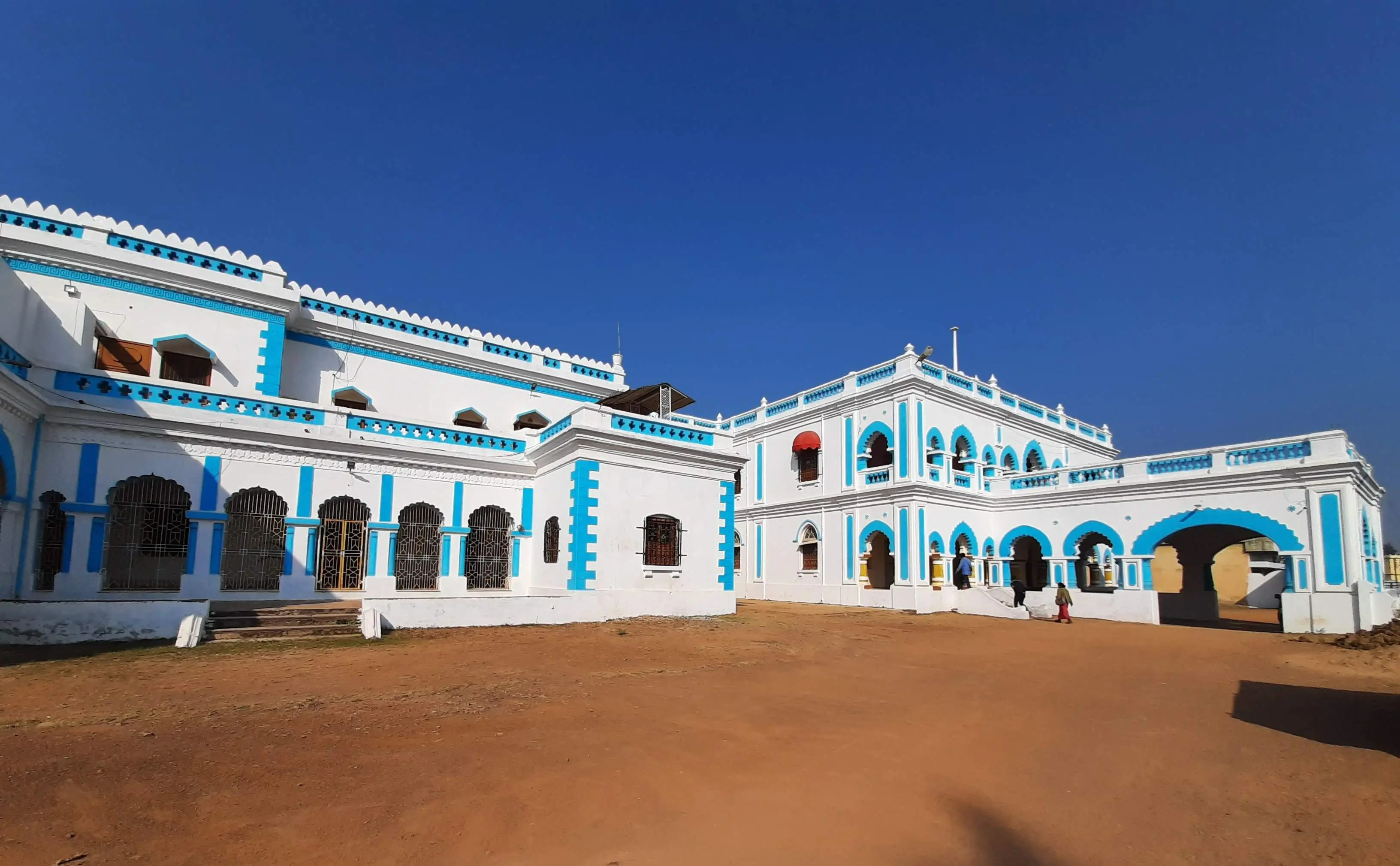
The Royal Palace at Jagdalpur

We then drove towards Kanger valley National Park, the only national park in India where human settlements is allowed within the heart of the forest that is thriving around the Kanger River. A sumptuous lunch served on patravalis was followed by a walk to see the beautiful Thirathgarh waterfalls and the serene Sita Kund, important sites of pilgrimage in the local culture. After spending some time there, I went on a guided trek to Shivaganga, an untouched gem. ‘The seclusion of the waterfall, reachable by a flight of bamboo stairs laid out through the thickets would be best complimented by an overnight camping and the dance of the fireflies’ as described by the guide.
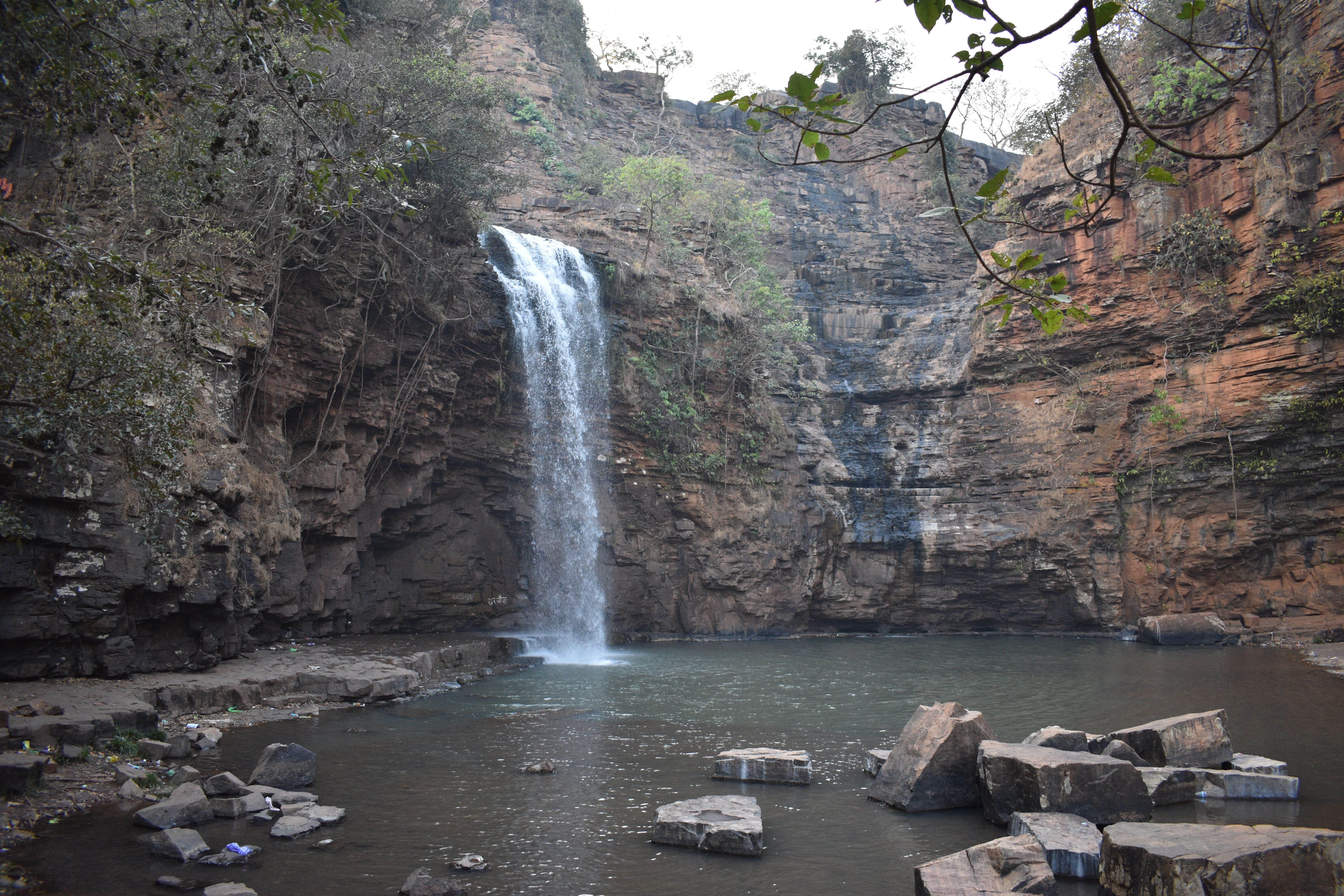
Sita Kund, Thirathgarh waterfalls, Kanger valley National Park
Sita Kund at Thirathgarh waterfalls

That night’s accommodation was at an Adivasi homestay. A traditional greeting was followed by warm conversation with the host family, accompanied by homebrewed Mahua liquor and red-ant chutney around a bon-fire, in the courtyard overlooked by a huge Mahua tree. The night’s sky there is certainly a delight for astrophotography enthusiasts. I woke up for sunrise and joined my host on his walk along the riverbank to collect ferns for a perfectly organic meal to start our day. With the mud and bamboo houses, wooden fences, dining on cow-dung smeared floors, slow-cooked food in claypot and on firewood with locally available ingredients, my stay was an incomprehensible experience of sustainable living.

Among three magnificent limestone caves located within the national park, we explored the stalactites and stalagmites of Dandak caves. A fifteen-minute session of meditation inside the dark and silent chamber of the cave was transcending. A Gypsy ride to Kanger Dhara waterfall was followed by bamboo rafting on the pristine and calm waters at Kailash Jheel. Since, our campsite was at a walkable distance from a tribal hamlet, I sneaked out and spent time at the local fair there. Tribal folk had congregated from all neighboring hamlets to watch the ‘Naat’, a theater form where excerpts from epics are adapted into local stories and performed all night.

The next morning started early with an inspiring birding session along the river trail as I was accompanied by a ‘Myna Mitra’, the friend of the Myna birds. This is an initiative by the forest department toward conservation of the Hill-myna, the state bird of Chhattisgarh by getting the local forest dwelling tribal youth involved to track the daily activities of these birds. We got lucky to spot a pair of these birds, the highlight for a typical wildlife trip.
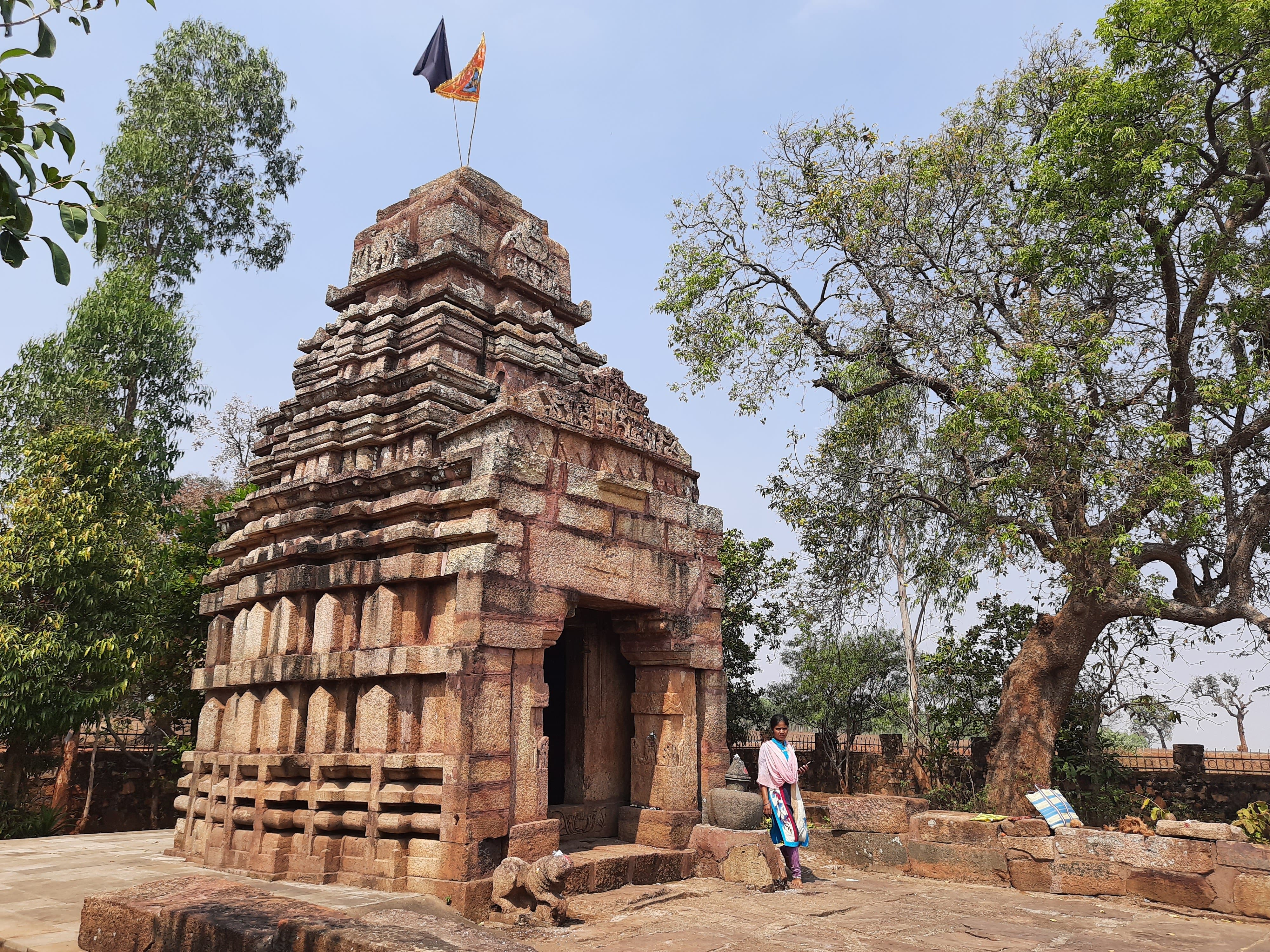
Gumadpal temple, Bastar

After a quick meal, we headed towards Gumadpal to see a 14th century Shiva temple. Historians haven’t yet found the reason for its unique three-tiered Linga. That day happened to be the weekly market or haat, as locally called. A walk around the haat was another opportunity to get a closer understanding of the local way of life. Haats do not just provide for trade but also for worshipping local deities, entertainment, socialization and even matchmaking. A few women were singing and dancing to the local songs and asked us to join in as well. It was surprising to know that barter still exists here. I tasted local food like tubers, mahua, tendu, and a variety of local brews and wines. Jewelry and home-décor items in dhokra, a GI tagged craft made by a method believed to be practiced since over 4000 years were being sold among several other unique crafts of the region. I witnessed an energy packed session of cockfighting as well.

Dokra art at various stages of metal casting

Having travelled to Chhattisgarh and not seeing the poster boy of its tourism advertisements, did not seem fair. River Indravati plummets down with all her might in a horseshoe shape, making Chitrakote waterfalls the widest in India. I checked into the government run luxury resort to spend my last evening, where every cottage offered a view of the setting sun over the waterfall. A ride in a country boat right into India’s Niagara waterfalls was just the prefect way to say good bye.
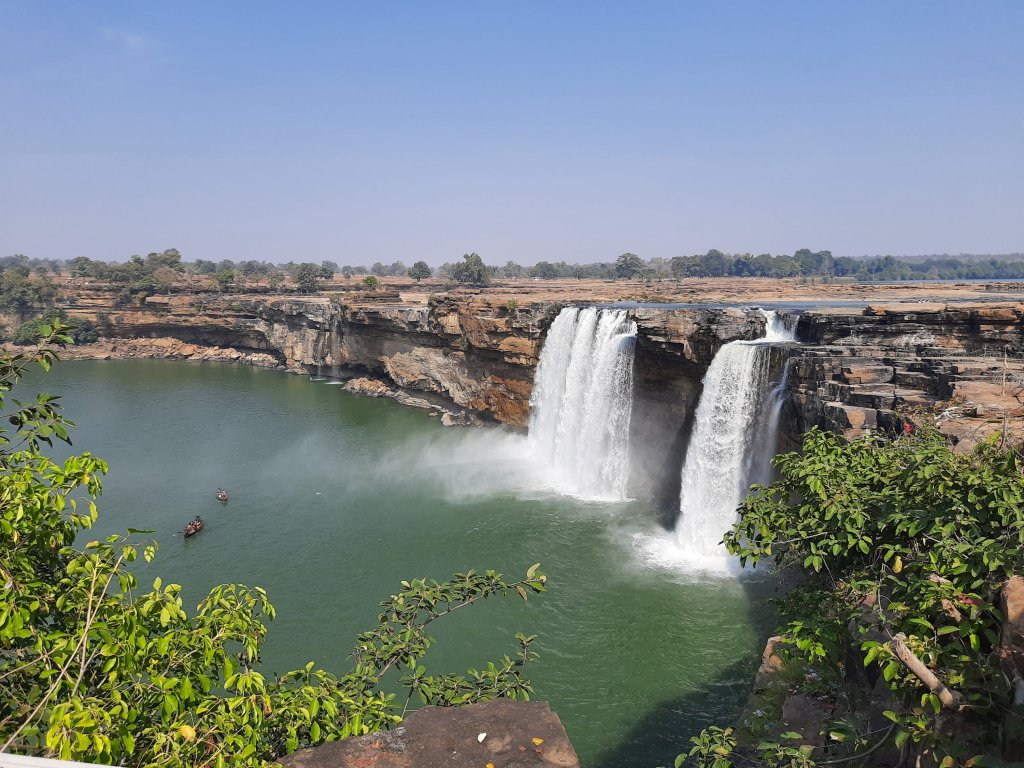
Chitrakote waterfalls during summer season

From waterfalls and caves to tribal hamlets and local markets, from history and folklore to art and craft, from food and wine to mud-houses and palaces, from dance and music to culture and architecture, my experience at Kanger valley national park was replete, wholesome and truly full of surprises!

Fact file:

  • Transport: Jagadalpur is connected by daily flights, rail route and by buses. Self-drive cars or taxis can be availed for travelling within Bastar.
  • Stay: Several tribal homestays are available within the national park. Nature camps and resorts run by Chhattisgarh tourism board and heritage stays in palaces are managed by the erstwhile royal family of Bastar. Good hotels of all budgets are available at Jagadalpur.
  • Food: Bastar cuisine mostly comprises of locally grown rice and vegetables.

This travel was part of the ‘Dekho Bastar- Season 1’ event organised by India Tourism Board and Bastar District administration in collaboration with Kanger Valley National Park. The article appeared in ‘Apr~May’23’ edition of ‘Bastar Bhoomi’ magazine.

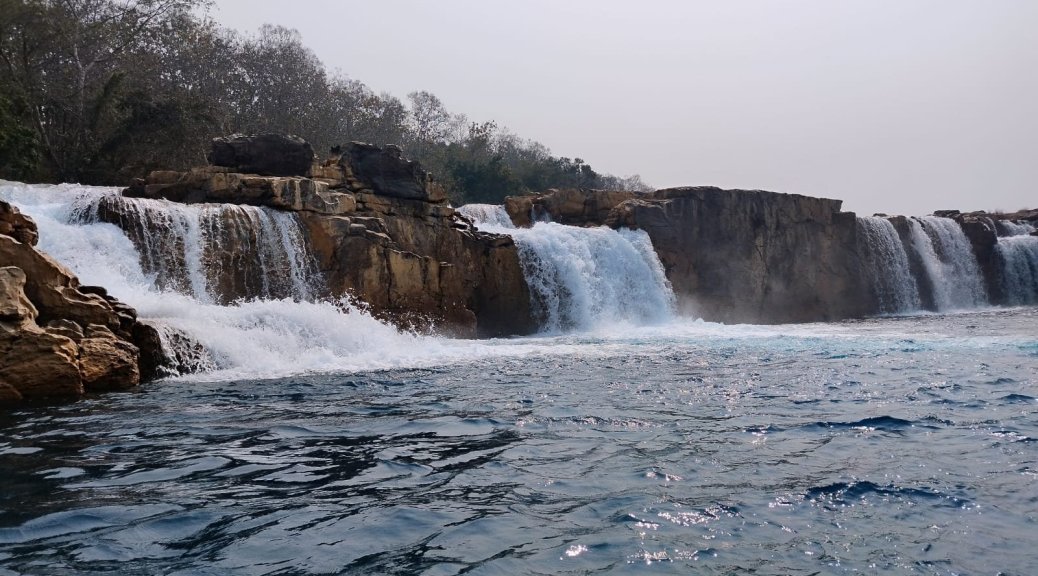
List of the Widest Waterfalls of India

We all know that the widest waterfall in the world is the Niagara, and it is in America! So, we take it for convenience to use Niagara as a synonym to refer to every other wide waterfall in our region. But how many of us have really seen the widest waterfall in India? Or for that matter, how many of us have seen the widest waterfall of our own states within India? Irony is we surely know Niagara, but we might have not even heard of the one in our own backyard.

So, here’s my attempt at listing some of the widest waterfalls in the Indian states that we love to call the Niagara of our country! (Note: These are by width of the waterfalls and not by their height)

1. Chitrakote waterfalls, Chhattisgarh:

The WIDEST waterfall in India is this, where river Indravati plummets down a horse-shoe shaped gorge. A beauty to behold in all true senses, a ride in a country boat to right under the waterfall is a spell-binding experience.

Chitrakote waterfalls during summer season

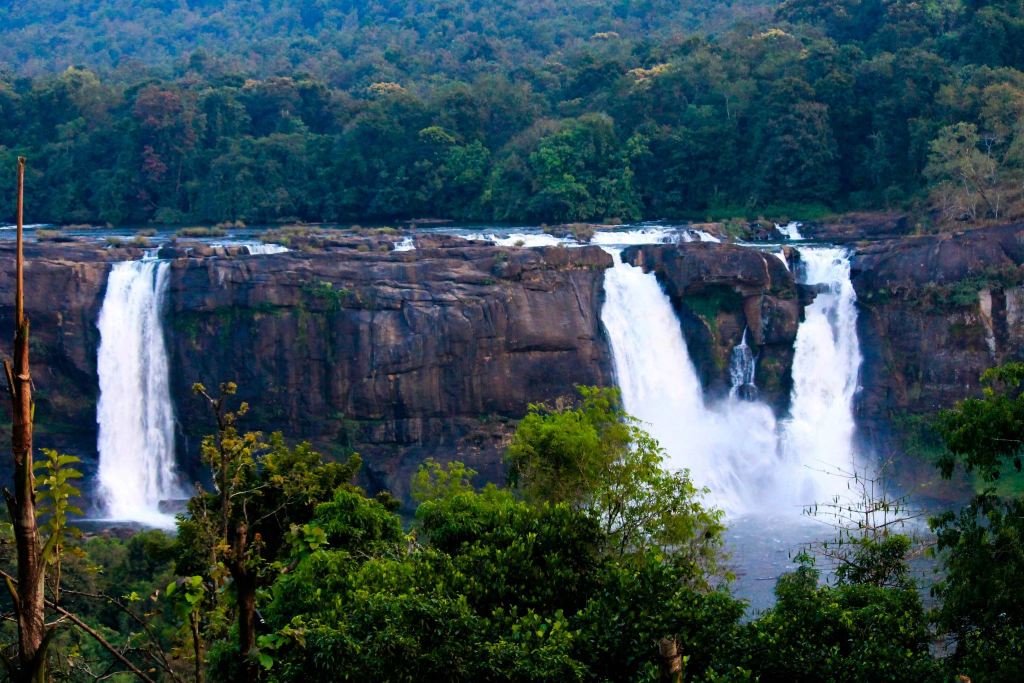
2. Athirappilly waterfalls, Kerala:

Chalakudy river cascades down a rocky gorge forming this spectacular waterfall is something that one would not want to miss on their next haunt to Kerala to explore its backwaters and canals.

Athirapilly waterfalls, Thrissur district Kerala

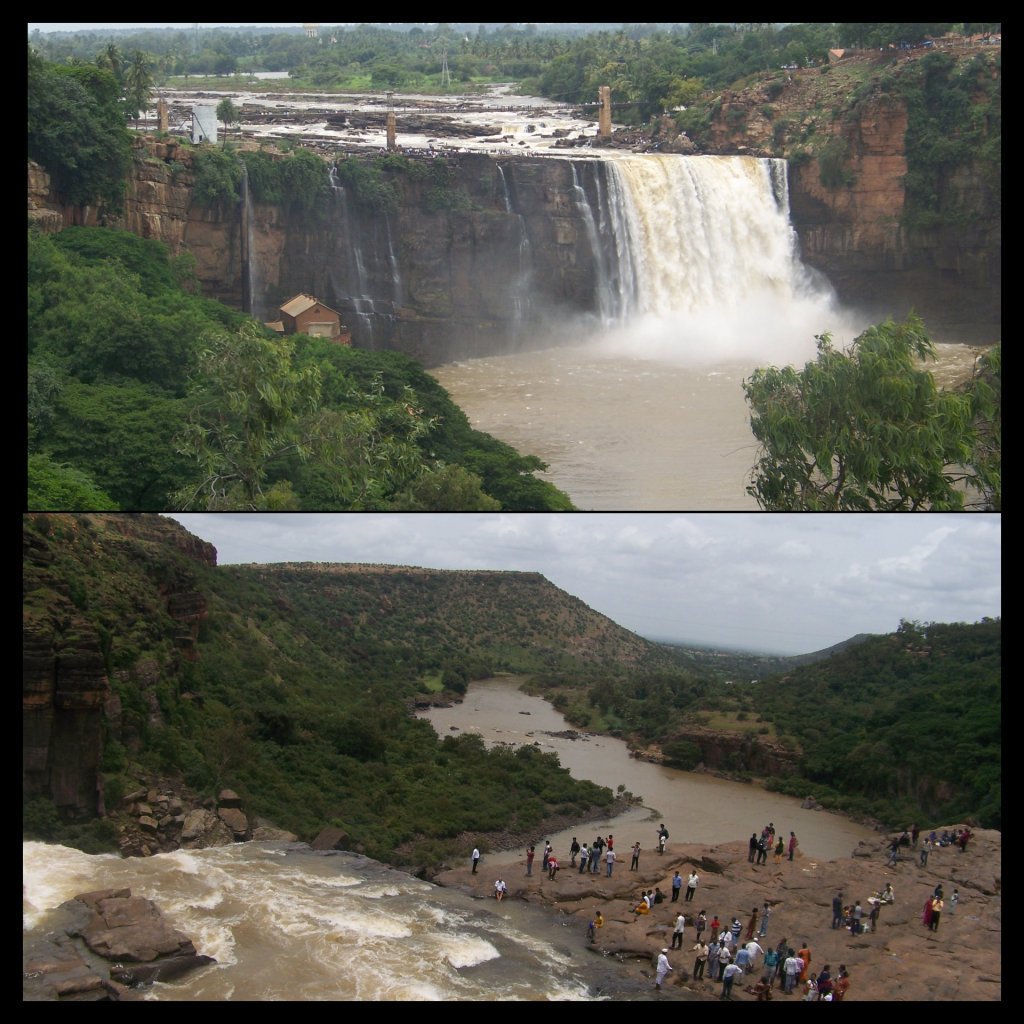
3. Gokak waterfalls, Karnataka:

Formed by the Ghataprabha river, Gokak falls is Karnataka’s best kept secret. A walk on the hanging-bridge laid right across the waterfall when it is flowing full, is an experience worth considering.

Gokak waterfalls
Above: The front view of Gokak falls from the Volkart rock view point; Below: A view from the Hanging bridge.

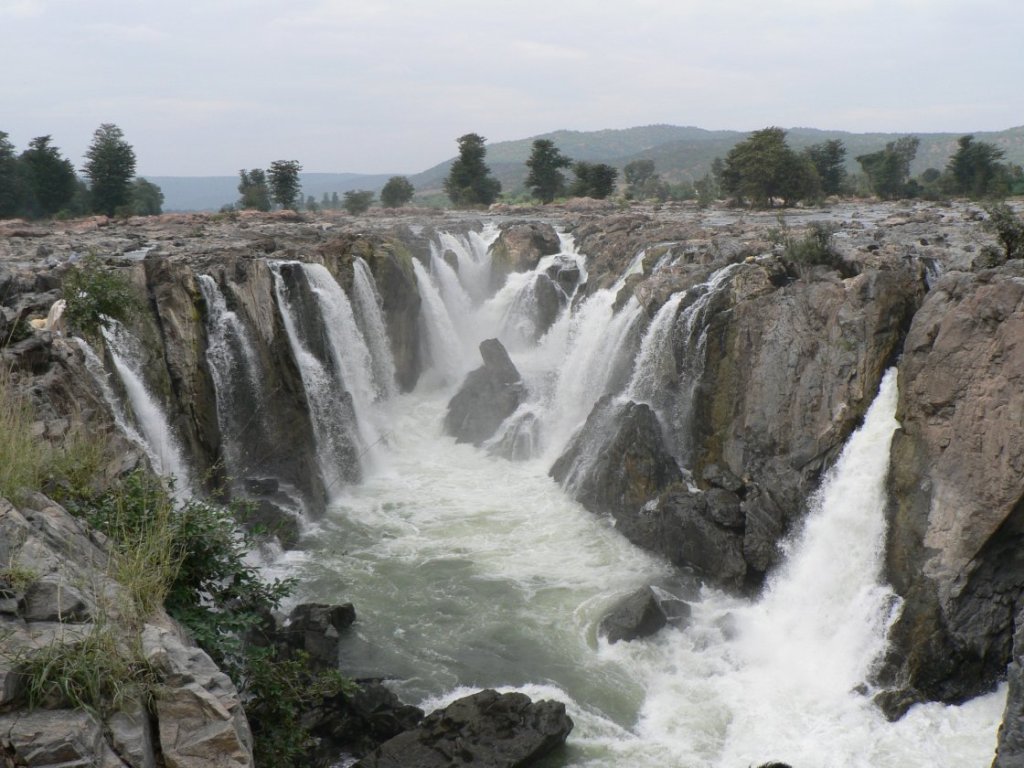
4. Hogeynakal waterfalls, Tamil Nadu:

As river Kaveri enters Tamil-Nadu, she plummets down forming this beautiful waterfall where a coracle ride is highly recommended.

Hogeynakal waterfalls
The breathtaking view of the Hogeynakal waterfalls from the watch tower

5. Bogatha waterfalls, Telangana:

An unexplored beauty, the Cheekupally stream cascades down forming this waterfall that has still been off the radar of mass-tourism.

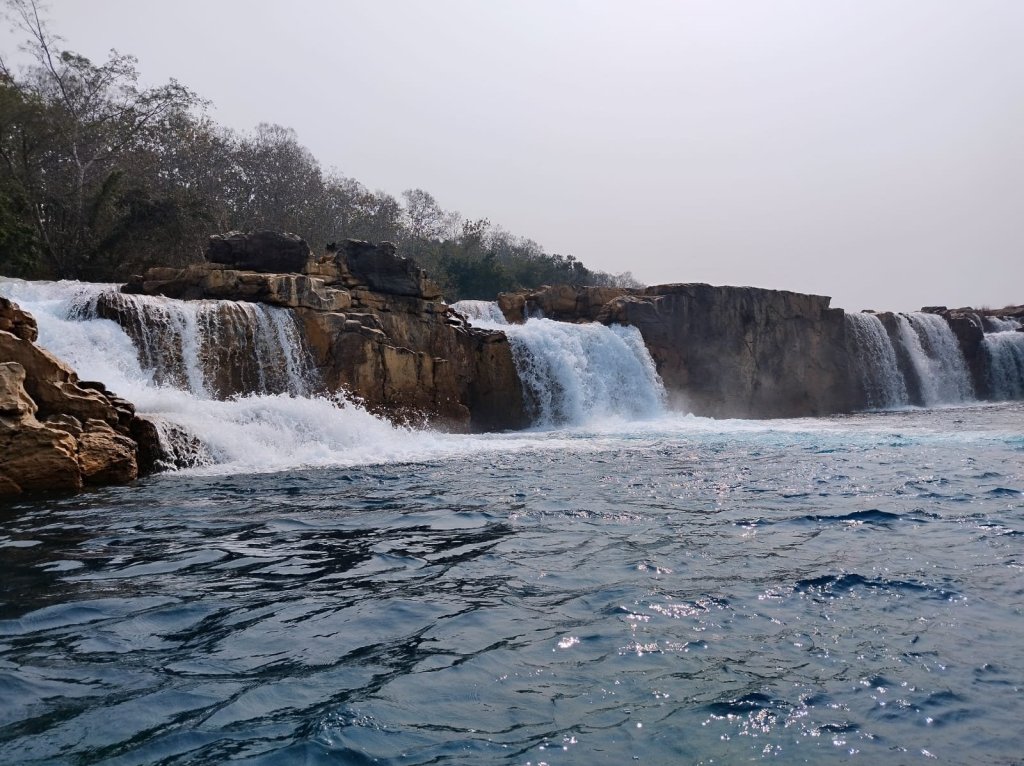
6. Panimur waterfalls, Assam:

Assam is mainly a low-land / plain area with Dima Hasao district being its only hill-station. The high altitude of the region holds some of the best waterfalls of the state as well, among which Panimur waterfalls formed by the Kopili river is its best-kept secret.

Panimur waterfalls at Dima Hasao district, Assam

7. Bahuti waterfalls, Madhya Pradesh:

Some may revere it to be the highest in Madhya Pradesh state, but I couldn’t find an equivalent in width to match this place of natural beauty which is formed by Sellar river in Rewa district.

8. Seven sister waterfalls, Meghalaya:

Thanks to its year-round rainfall, Meghalaya is a land of waterfalls, each being spectacular on its own. Talking about wide waterfalls, this set of seven-segmented waterfalls drops down a limestone cliff at Cherrapunjee which looks spectacularly wide when it is full during the monsoon-season.

9. Gira waterfalls, Gujarat:

Formed by the river Ambika, a jeep ride through a nice green landscape to reach this waterfall is what the locals recommend to enjoy this visit better.

This is my humble attempt to enlist some of the widest waterfalls, picking one from each state in India. Let me know what is the widest waterfall at where you are?

Boat ride at Chitrakote waterfalls, Chhattisgarh

Five must have experiences in Jagdalpur

Bastar region in Chhattisgarh is very popular for its Dussehra celebrations and people flock from far away to witness its tribal congregation during this time. Noting that Jagdalpur is the biggest city in Bastar, it is likely that it will be the central place for planning one’s stay and travel around this region. But, if one happens to be there for a very short stay and interested in exploring Bastar beyond its festivities, then here are some of my recommendations.

1. Caving at Madarkonta: There are so many massive limestone caves and cave systems in and around Jagdalpur and just a countable few of them have been promoted by the Chhattisgarh tourism board. Although these are also great places to visit, my caving experience at Madarkonta is one that stands apart. This cave is still inaccessible without a local guide and no tools or digging has been made to accommodate tourists. So, the entire caving experience here is still in its raw form, just the way it was found by the local men, many years ago. You need to duck down and walk barefoot, navigating your way through the hollow limestone chambers with torch light. (Barefoot because the locals believe that some deities reside inside the cave). Watch the entire video below:

Exploring Madarkonta caves

2. A boat ride into the Chitrakoot waterfalls: Chhattisgarh is home to over a hundred amazing waterfalls. But the poster boy on all their tourism ads is the Chitrakoot. Also known as the Chitrakote waterfalls, it is referred to as India’s Niagara for a reason… During monsoon, river Indravati plummets down with all her might in a horseshoe shape, making it the widest waterfall in India. A ride in a country boat right into the waterfalls is an exhilarating experience! Watch the entire video below:

Boat ride at Chitrakote waterfalls

3. A sunrise visit to the Island temple at Dalpat Sagar lake: Although tourists can take a boat ride in the largest artificial lake of Chhattisgarh state all through the day, an experience that stands out is a ride during sunrise, to the temple located in the middle of this lake. I was told that an underground chamber connects the temple to the royal palace located in the city. This chamber is used by the members of the royal family and VIPs to participate in special ceremonies during Dussehra. On other days, if one is lucky to get access to a country boat for an early morning ride (even better if it is along with the temple priest), they can see the entrance of this chamber illuminated with oil torches while the priest makes his visit to offer the first prayers of the day.

An early morning view of the Dalpat Sagar lake in Kondagaon

4. A Gotul visit: I’ve already spoken about the significance about a Gotul in the tribal culture of Bastar in a separate post. This is a great way to get acquainted with the rich tribal culture through its traditions, music, dance and food, all at one common place.

A tribal ceremony at a Gotul in Bastar

5. A tour of the artisans villages: Wrought iron crafts, Dokra art, wooden crafts, stone sculpting, pottery, handloom, paintings, jewelry making- the list of indigenous art in this region is long and the region boasts of several artisans of National and International fame. Even a quick day tour of these hamlets is worth every little time of yours, while you are here!

Making of wrought iron craft at Kondagaon, Bastar

Do you plan to make Chattisgarh your next destination? Or have you already been there before? What are your recommendations or queries? Let me know!