Tag Archives: Alcohol

Exploring the untouched gems of GPM district

Gaurela-Pendra-Marwahi (GPM) is one of the youngest districts of Chhattisgarh and I recently had an opportunity to explore this region along with a friend. It has a deep-rooted connection with mythological stories and hence, several local tourists come here for pilgrimage. Otherwise, GPM is least explored on a typical tourist circuit and remains to be a hidden gem in the jungle, quite literally. Hence, through my trip to GPM, I wanted to explore, learn and document the adventure and cultural aspects of GPM district. On this journey, we had the guidance of GPM-tourism in arranging our accommodation and getting local experiences in some of the most exquisite places.

We started from Bilaspur that morning in a taxi to arrive at our first destination- Gaurela. My first encounter of a new religious practice was of the kavadis. Of course, Kavadi itself is not new to me. It is observed in different forms across different regions of South India. But Kavadi of Chhattisgarh was new to me. During the Shravan month, the pilgrims leave their respective houses on a barefooted march all dressed in saffron dhotis, carrying the Kavadi on their shoulders and chanting bhajans and praises for Lord Shiva. Along their way, they are joined by others whose houses fall enroute and the march progresses. The group is large towards the end of their feat when they all arrive at the Amreshwar temple.

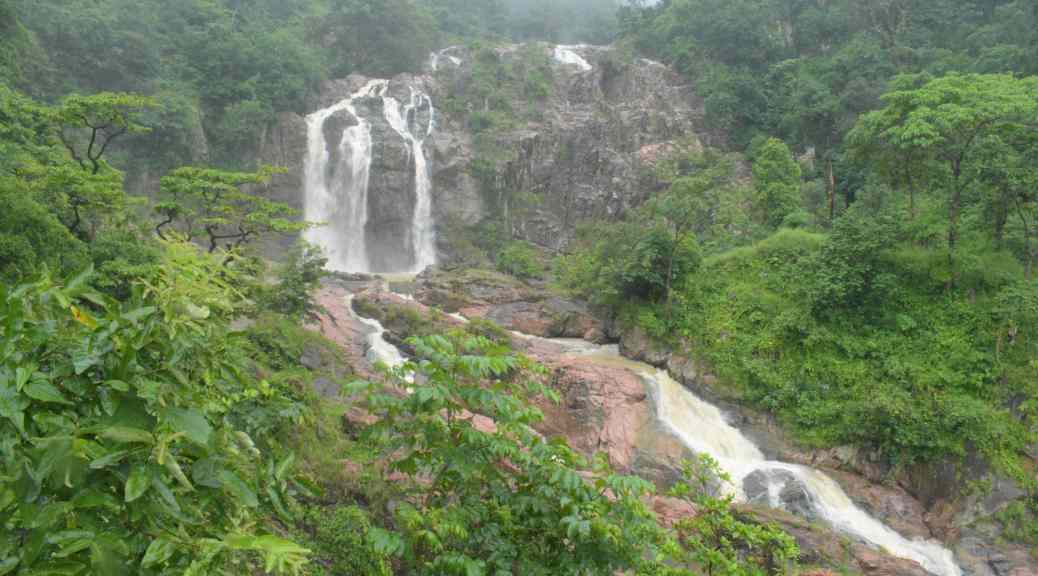
Anyway, after passing this large group of pilgrims, we continued our drive through a very beautiful stretch of Sal forests and paddy fields. Our pre-ordered lunch was ready by the time we arrived at our first destination- Jhojha waterfalls. This region is presided over by the people of the Pando tribal community, whose culture we were unaware of until then. A tiny canteen run by a couple belonging to this community provided us with food cooked fresh and served in the most sustainable way possible. All the fresh and locally grown ingredients (organic veggies) cooked with firewood and served with handmade plates and bowls of Sal leaves. The simplest, yet a sumptuous meal was relished by us before heading out on our short hike into the woods.

As the rain gods had taken over the skies briefly, we wore our raincoats and tamed our legs towards the trail. There is a biking trail for the biker-heads and then there is the hiking trail for people like me. It is a trail of about 4 kms with moderate difficulty for beginners. As we approached the Jhojha waterfall, believe me as I say that I hadn’t heard or imagined the existence of such an offbeat and majestic waterfall in this part of Chhattisgarh before arriving here. It was beautiful. On a day otherwise, one can go closer to the waterfall or get into the water. But I refrained from it since the monsoon fury wasn’t a safe idea.

Jogi Gufa was a place close by where we had originally planned to visit the cave and a waterfall. Ghaghra dam is frequented by locals for watersports and Son-kund and Kariam Ashram are popular places of local pilgrimage. All located at a drivable distance from Basti / Jhojha. By the time we returned to the base after the hike, the other members of the Pando community had joined in. Hence, we decided to spend the remaining time at Jhojha itself. It was a good decision as the evening was filled with song and fun giving us a better acquaintance with the tribal culture of the Pando community.

Mahua liquor is an essential part of Chhattisgarhi culture in general. There are several folk songs and stories composed around Mahua’s significance in the tribal life. The folk who had joined us for the night sang these songs and narrated undocumented stories that had been passed on through generations. Later, we had the supper cooked by the same family and retired at the little mud-cottage / homestay run by them next to the canteen. One of the most serene and silent locations I had ever imagined retiring.

We started our day by having breakfast at a local restaurant at Pendra road (Town area). for someone whose taste palette is used to idly, dosa, roti etc., for breakfast, the samosas and jalebis were quite unusual to be consumed as a meal. But that’s how the rest of our day turned out to be- Sweet and Surprising. The untouched landscapes and the unaccounted number of mythological references make a great combination for hodophiles to explore Pendra. As soon as we moved away from the town area, the weather and the landscape took a dramatic change. crowded streets turned green and dry sunny skies began to cry rain.

This region is predominantly resided by the Baiga tribes and hence, meeting folks from this community and documenting their stories were my focus on this visit. We drove past the mountainous road and flat paddy fields to arrive at our first stop. It was an under-construction nature camp run by the GPM-tourism and managed by a local family of the Baiga tribes. Traditional tribal cottages flanked a serene waterbody and together overlooked by a canopy of trees. Apart from a group of local boys who occasionally dropped by for a game of fishing, it was a paradise in seclusion. The only thought that I had while there was, if I ever felt the urge to run away from the city hustle to a non-Himalayan place filled with silence and solitude, where no known person would find me, it would be this. To simply put- I fell in love with this location. We visited the home of a local Baiga family, took leisurely stroll in their village and farms and shared warm conversations and laughter with their little kids, all even as the rain gods continued to show no mercy on us.
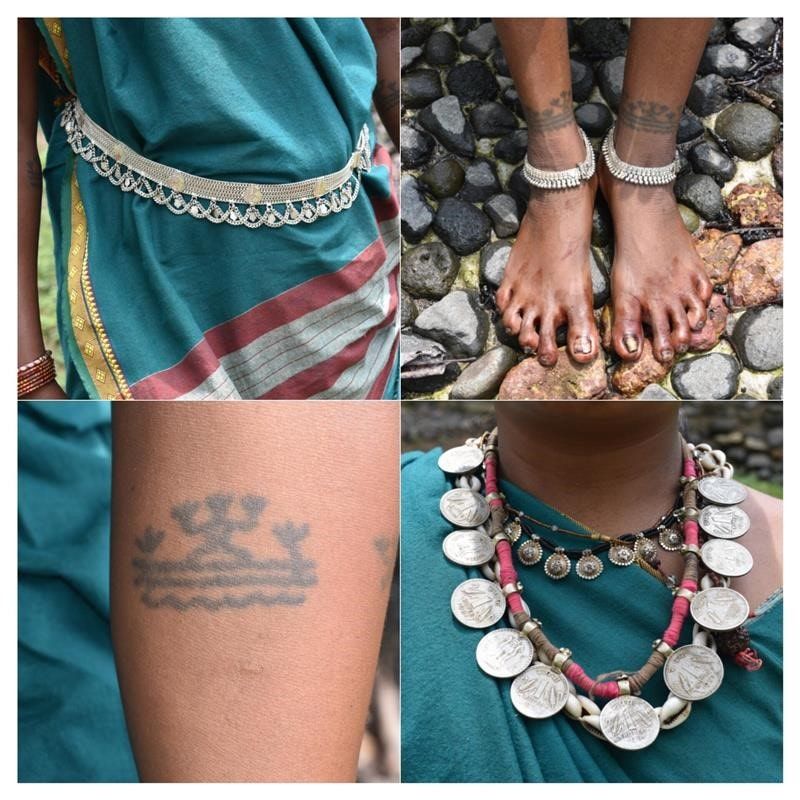
Traditional jewelry of Baiga tribes in Pendra, Chattisgarh.

A few kilometers away from there is a pilgrimage site, Mai ki Mandap’. It falls on the way for people visiting Amarkantak. Mythology has it that river Narmada was all dressed in her bridal attire, awaiting the arrival of Son Bhadra, the groom and his party but was cheated by her friend. Since then, Narmada has been hiding inside a cave here where an eternal flame has been burning for ages. The river Amravathi ganga cascades down the valley here forming a multi-tiered waterfall, which needs to be crossed by foot to get to the temple dedicated to Narmada. Since it was monsoon time, the currents were quite strong and the river crossing was an adventure.

This region is dotted with several pilgrimage sites that are inter-connected with each other through mythological stories. Although we drove past most of them, we decided to skip a ‘stop and visit’ to them. Some of them were Durga Dhara waterfalls, Amreshwar temple, and Jaaleshwar Mahadev temple. Achanakmar tiger reserve, Kabir Chabutara and Malaniya dam are few other local hang-out spots in Pendra region which we decided to skip due to lack of time.

The highlight of this entire trip to GPM was the drive to Rajmergarh hilltop and the best ending for this short stay that I could have asked for. The adventurous people hike up this hill over a couple of days’ time, but we were not in luxury of so many days. Lines of Sal trees and herds of cows grazing on the tabletop grasslands were a treat for the eyes. The drizzly rains and the gusty winds not only caressed my hair and cheeks but also my mind and soul, as I stood on the edge of the green grasslands. We were lucky to get a glimpse of the setting sun even on a cloudy evening. The locals informed us that this hilltop is a favorite haunt of adventure seekers who usually hike up to pitch their camps and wake up for the sunrise over these hills. Such a beautiful place feels wasted without good amenities for the tourists. Outdoor lovers can get their own tents and pitch their own tents here, basic meals and tea can be availed with prior information to the caretaker of this place. But I highly recommend a day visit to this place, especially during the monsoon if you are looking for something more offbeat, less crowded and yet beautiful. The night’s stay was arranged at Gagnai nature camp, a property run by the government.

The luxury of an additional day’s time would have allowed us to explore the Marwahi region, thus circling around the entire GPM district. ‘Beni Bai’ is an important and rare Jain pilgrimage site which I personally wanted to visit but couldn’t. A full day’s trip could include AdiShakti Mandir, Tara Khara waterfall, Pareva path, Chunha Dai, Shiv ghat, Samundalai kund and Lakhan ghat to complete a circuit before you head back to Bilaspur.

However, in our case, we started before sunrise because we had an afternoon flight to take from Raipur to Bangalore. Thus ended an offbeat trip to the heart of India, Chhattisgarh!

Offbeat Things to do in Vishakhapatnam

My interest in pursuing a career related to the oceans goes a long way back into history. I intended to study oceanography while in school. Then, in spite of studying at an elite college in Bengaluru that offered the army wing of NCC (National Cadet Corps), I wanted to move out to get a ‘B & C’ certification in the Naval wing. After completing my graduation in mechanical engineering, I thought I could do well with a career in a refinery or a shipping harbor or something. A career in ‘Merchant navy’ never had an approval from my family! I did try to get into the ‘Indian Navy’ through the SSB as well. Anyways, all have been futile attempts as life always had other plans for me. But all the above interests have a deep connection with the port city of Visakhapatnam.

Apart from its strategically important port, Vizag had intrigued me as this city is geographically located between a sprawling beachfront and the eastern Ghats. I have been wanting to tick off Vizag, also called as Vishakhapatnam from my ‘to visit list’ from a really long time. Finally, my stint with Vizag materialized in January’2021. This visit is a part of my family’s road trip through Bengaluru– Telangana – Chhattisgarh – Odisha – Andhra Pradesh – Bengaluru.

I had heard a lot of my acquaintances tell me how beautiful this city is. Also, blame it on me for being spoilt by what my home state has offered me in my upbringing. The beaches of karavali, the hills of western Ghats, the coffee plantations of my native district and the sumptuous spread of regional cuisines, similar things were spoken about at Vizag as well. But all the people who had suggested Vizag on my bucket list were the urban tourists who visited this place to either chill by the beachside or relax and rejuvenate at a resort. For those who know me well, I have always enjoyed the exploratory kind of travel. So, I did manage to find such places and things at Vizag to satiate the explorer in me. Here are my favorites:

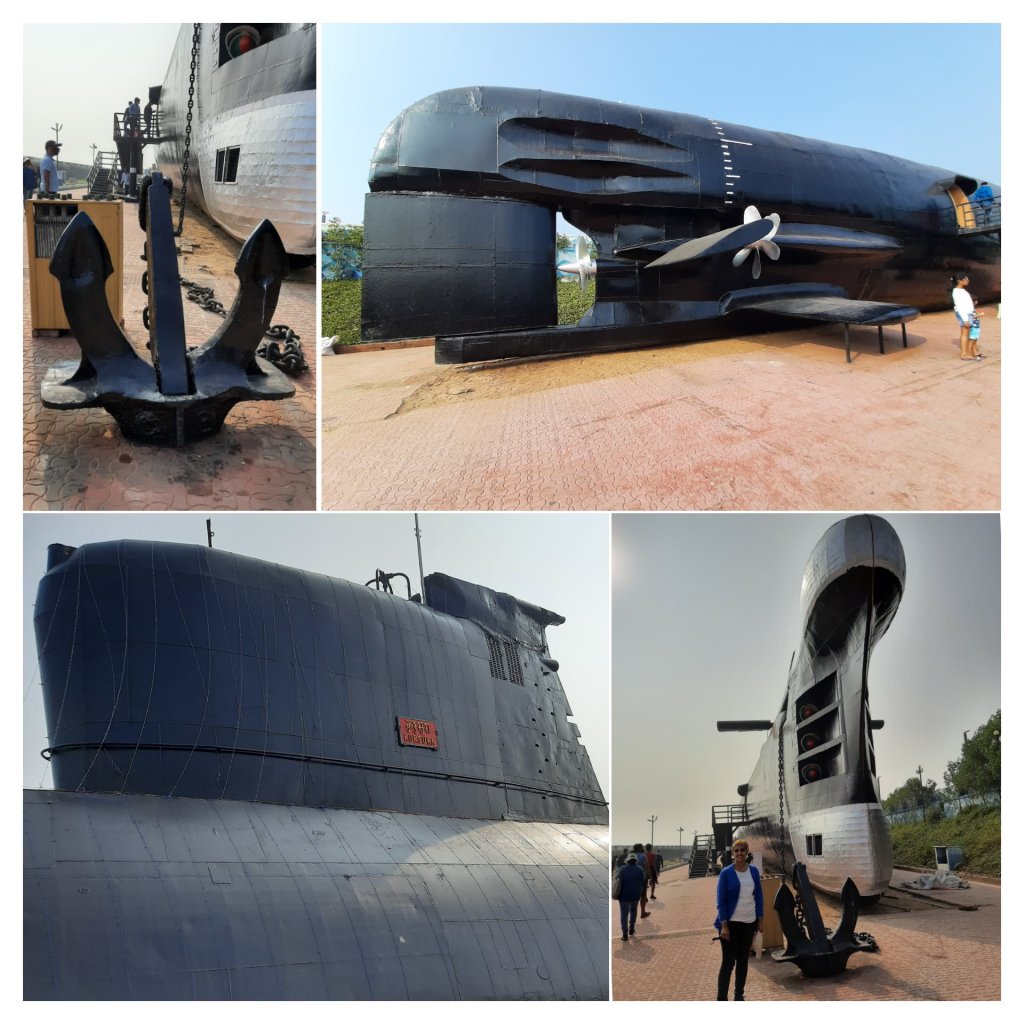
The INS Kursura submarine museum: This is like “THE” thing that brought me to Vizag at the first place. The experience of the guided tour inside of this de-commissioned submarine is something that is priceless and cannot be quantified with a price of an entry ticket.

INS Kursura- Submarine museum

The TupoLev142M aircraft museum: This is one of its kind of what I have been before. The experience of walking through a real aircraft that once served in the ‘Indian Navy’ is a million-dollar worth if you are someone who has deep interest in the uniforms, technology, and scientific history.

Tupolev 142m at the aircraft museum at Vizag

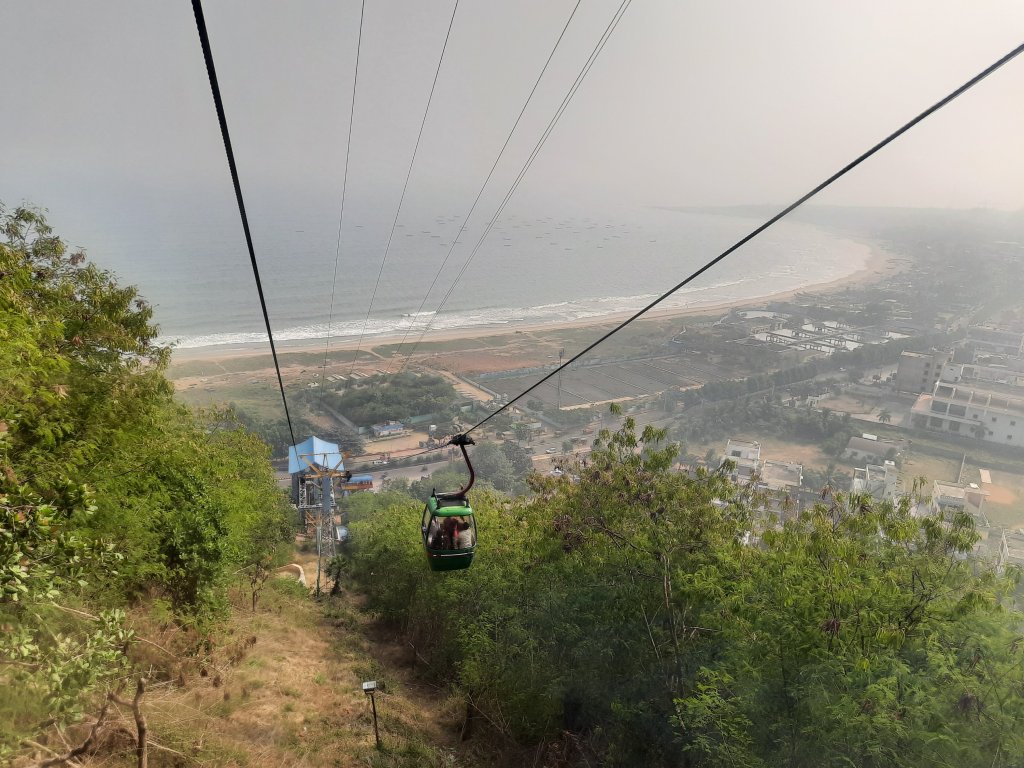
The cable car ride: Kailasagiri hill is a favorite hangout among the locals. They choose to drive up there, walk around the park and hangout at the eateries there. But for me, this was an interesting place because I reached the top of this hill through a cable-car. For all the people drooling over the Singapore tourism’s photos, Vizag is your nearest bet. Once you reach the peak, another recommendation from me is to take a ride on the toy train that goes around the hill. The 360deg view of the city and its enchanting coastline is indeed worth a visit, while you are in Vizag.

View of the coastline from the Cable car in Kailasagiri

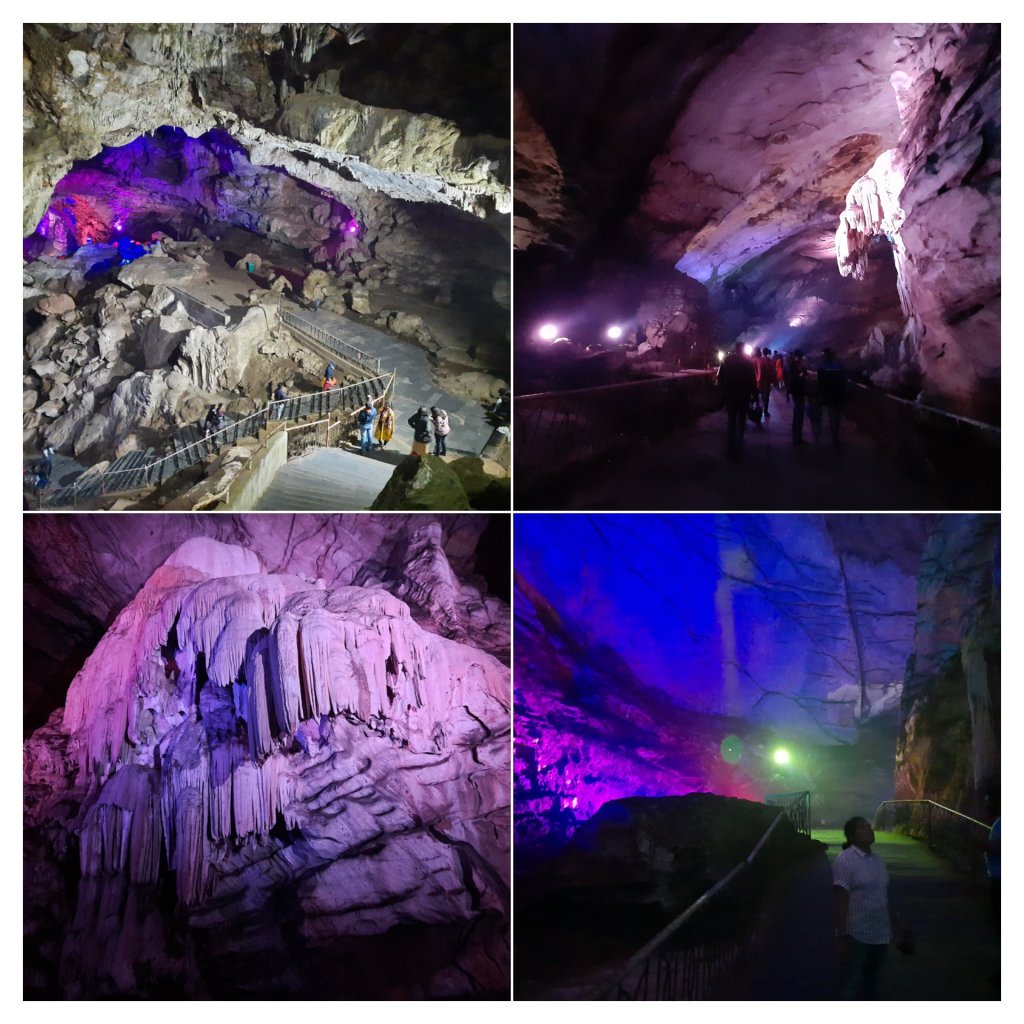
Borra caves: Situated amidst lush greenery, these caves are known to be the widest cave complex in the Indian sub-continent. If possible, time your visit into the caves when a train passes over the land above, you can experience the tremors inside. It is located on the outskirts of Vizag and can be combined as a day trip to Araku valley.

Glimpses of Borra caves

Araku valley: For someone hailing from a place that is called as the ‘Coffee land’ of India (Kodagu district in Karnataka), I found the small patches of the famed ‘Araku valley’ coffee estates overhyped. But still, a meal of ‘bamboo-chicken’ with the valley in the backdrop, a hundred small dotting waterfalls and the beautiful scenery all along the way that made me want to stop for a photo at every turn of the road, all score a definite recommendation from me for a day trip to this valley.

At Araku entrance (From Koraput side)

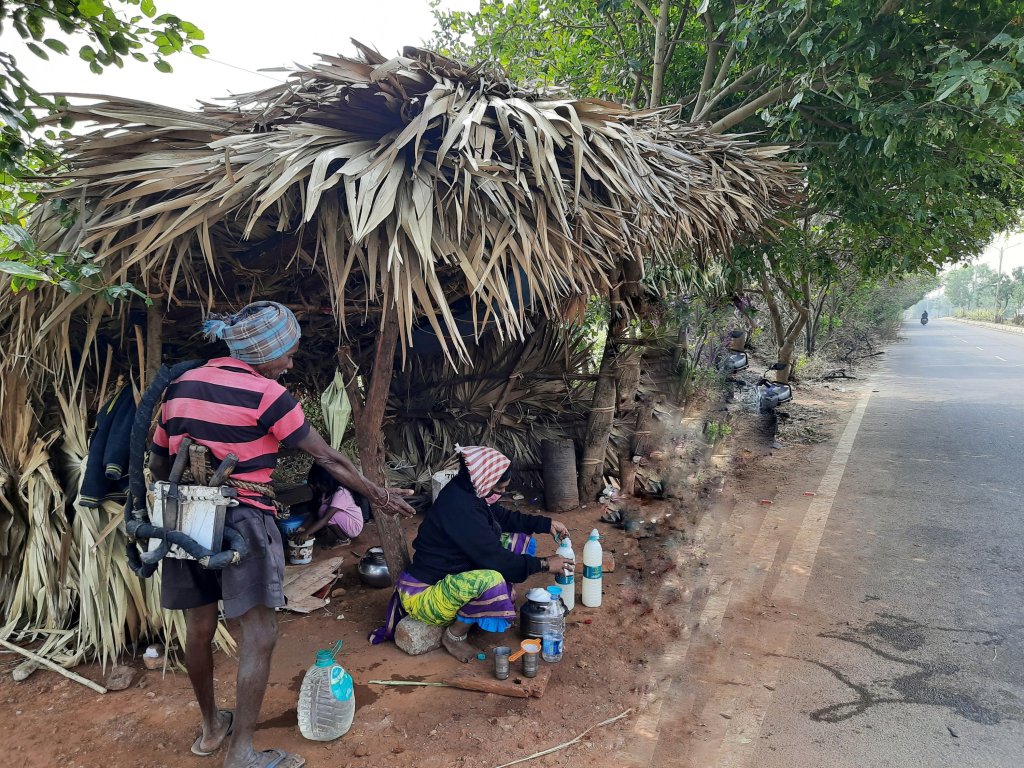
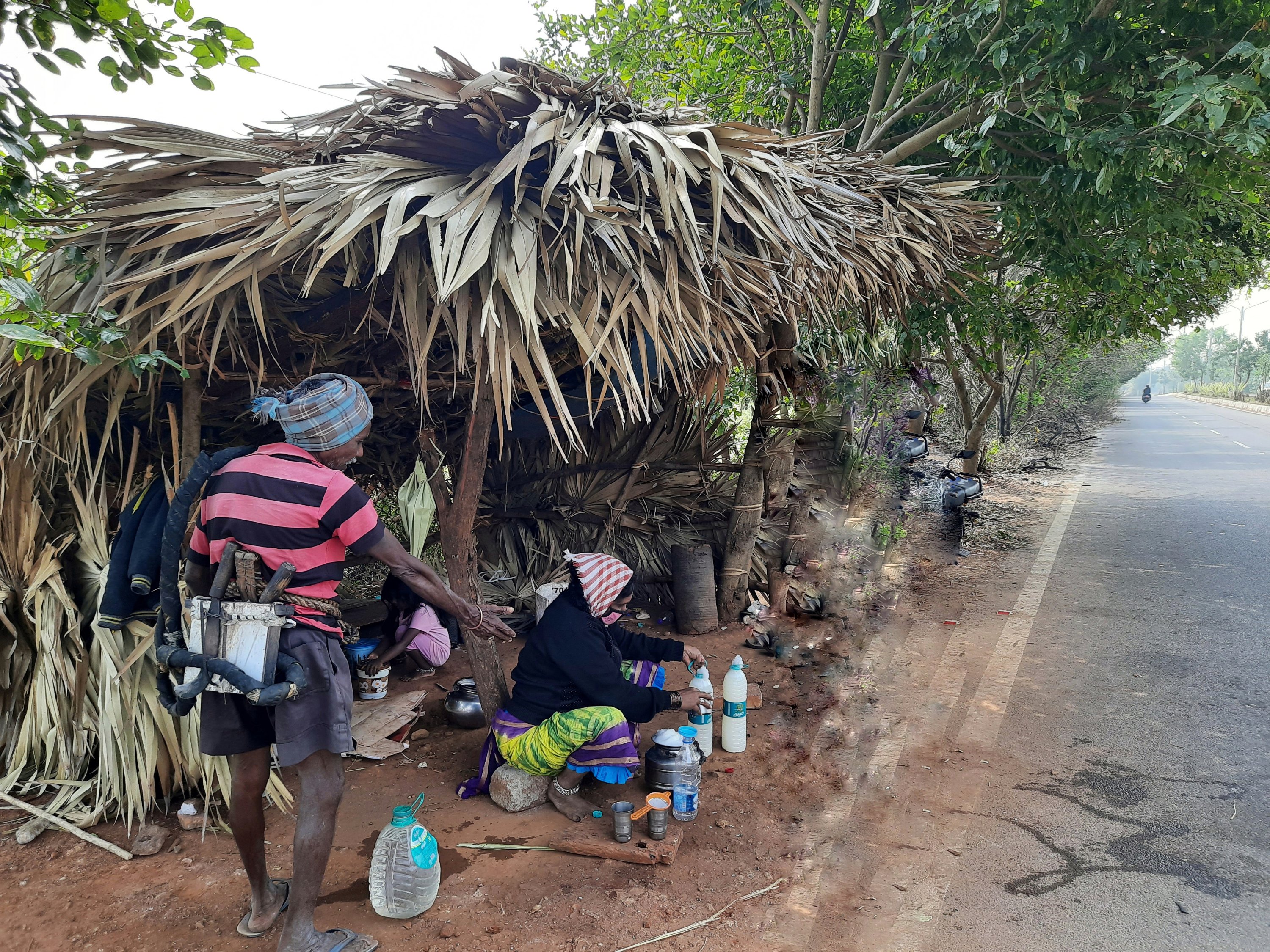
Sip some kallu by the beach: With its buzzing coastline and palm trees growing in abundance, it is highly likely that you will spot some toddy or Kallu tappers (palm sap collectors) walking past you near the beaches. You can buy the fresh Kallu and enjoy while you are chilling by the beach.

A toddy/ Kallu tapper selling Kallu at one of the shacks

Beach hopping & Ship spotting: Being a major port city on the east coast, it is very likely that you can see some mad-ass big ships that dock at the Tennessee park Beach from across the world. However, there’s ‘MV Maa’, a Bangladeshi cargo ship that’s abandoned after it got beached during the covid-19 lockdown. If you’ve never been so close to a ship before, this is your opportunity to literally walk over, touch and feel a ship. Bonus: News is that if everything goes well, the ship will be converted to a floating restaurant soon 😍

MV Maa- the beached cargo ship of Bangladesh

Have you been to Vishakhapatnam before? What did you like the most?

A list of local brews from all Indian states

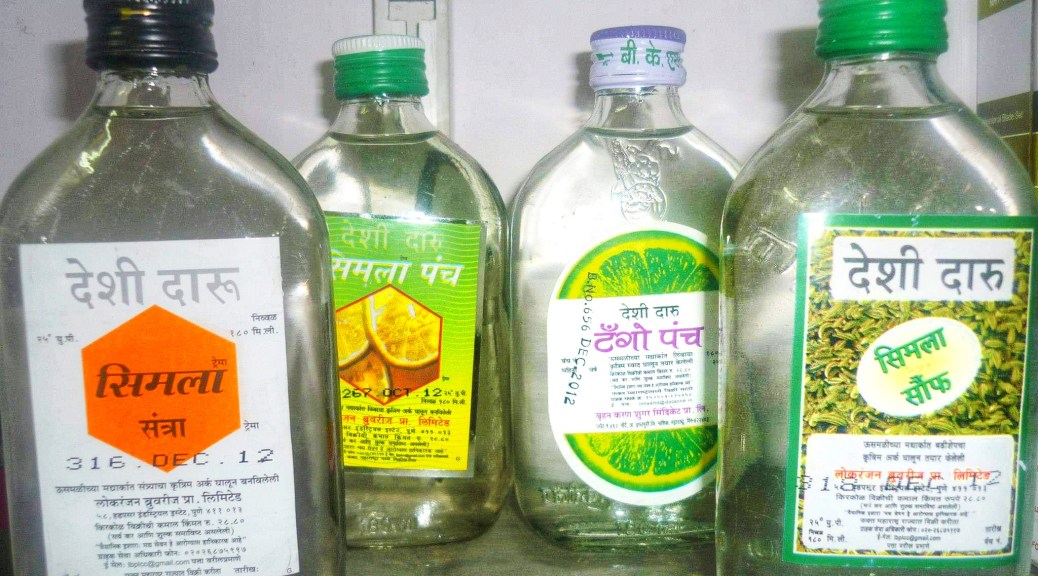
Micro-brewing has been a known recipe back in the Vedic era, where Sautramani was sacrificed to the gods. Known evidences have been excavated from the Indus valley civilization sites of fermentation and Distillation. The Indo-Aryans are known to have Madira or Madu, an alcoholic beverage made from fermented honey. Good poetry flowed down as same as liquor, an essential part of the courtly culture of ancient India. Spirit or liquor is a substance that needs no introduction and unarguably is a part of our lives. While the infamous modern ‘Desi daru’ manifests with various names, yet a lot them remain unknown to the outside world and largely endemic to specific regions.

Here is my attempt to enlist the traditional brews from all the states of India that can help you as a ready reckoner while you are out travelling in this beautiful land. I would like to crowdsource the few missing details, please drop in the comments if you have anything to share.

A traditional Toddy/ Kallu tapper selling Kallu at one of the shacks

Andhra Pradesh:
Kallu- This is fermented palm sap that is consumed as a beverage in most places in Asia. In Andhra, there are mainly two types. Thatti kallu, a fermented beverage made from palmyra tree and Eethe kallu, a fermented version of the silver date palms sap.

Arunachal:
Apong- This is a local version of rice beer.

Assam:
a. Judima- This is a rice beer that is brewed to a mild yellow colour and a famous drink among the Dimasa tribe.
b. Xaj- This version of the rice beer that the fables narrate that it was used by the Ahoms to dip their new-borns to bring good luck.

Bihar:
**Need Help**

Chhattisgarh:
a. Mahua wine- This is a wine made with a native flower called Mahua. The potent and 1st extract liquor is called Fully. After the Fully is extracted, the sediment is resused and heated with water. This 2nd extract is called Raasi and is considered 2nd quality.
b. Landa- Madiya page is a common welcome drink across the state. In it, ragi, tomatoes and onions are boiled together overnight in rice kanji. The fermented form madiya page is called Landa.
c. Laungi & Saunfi- These are potent whiskeys consumed together in combination. These are one of the most expensive brews in the Bastar region. It is made with cloves & Saunf respectively and are consumed only for medicinal purposes. It is primarily believed to treat gall stones and will lead to side effects like blisters all over the body if consumed in excess quantity.

Goa:
Feni- The party capital of India cannot be without its own potion. Feni is an alcoholic beverage brewed either with coconut palm or cashew apples.

Gujarat:
**Need Help**

Haryana:
Kanji- This is a speciality consumed during Holi festival. It is a naturally fermented drink made with water, carrot, beetroot, mustard seeds and asafoetida.

Himachal Pradesh:
Ghanti- Also called as the Kinnaur Chulli, this local beverage is an apple and apricot based liquor.

Jammu & Kashmir:
Lugdi- This beverage is prepared by fermenting cooked cereals.

Jharkhand:
Handia- This is a rice beer, popular not only in Jharkhand, but also in Bihar, Madhya Pradesh, Chhattisgarh and Odisha.

Karnataka:
a. Fruit wines- The quaint hill station of Kodagu is popular for its homemade wines. You name a fruit and you will get the wine here. Even ginger, betel leaf or bird’s eye chilli wine are available, flavors that will linger in your tastebuds for a while.
b. Sendi- This is fermented tree sap from the areca palm. It is largely popular around the coastal and Malnad region.

Kerala:
Toddy- This is coconut tree sap which is left to ferment overnight. It is sold in government approved toddy shops across the state.

Madhya Pradesh:
a. Hariya- This is a rice beer fermented along with herbs, a speciality of the Santhalias & Mundas tribe. It is offered as a gift to god, dowry during marriages and gifted to relatives on special occasions.
b. Sulphi- Pronounced very similar to a selfie, this is a fermented drink made from the sap of a local palm called as a sulphi tree. It is of two types, one white and the other is honey coloured.

Maharashtra:
a. Strawberry wine- Satara is the strawberry heartland of India and it is that they have their own version of fruit wine too.
b. Orange wine- Nagpur famous for its orange orchards has its own recipe of the love potion too.

Manipur:
Sekmai Yu- This local rice beer is potent like the Vodka and is often called as the Indian Sake.

Meghalaya:
Kyat- This is a rice beer which was originally introduced as a medicinal remedy to the Pnar people.

Mizoram:
Zawlaidi- The name means ‘love potion’ in the local language. It is a local version of grape wine.

Nagaland:
Zutho- This is a generic name for rice beer across Nagaland. However, the flavours, ingredients and brewing method varies for each tribe. Some are even millet based. Hence, it is a great idea to taste all of them while you are there!

Odisha:
Kosna- This rice beer is like handia and has similar origins. Hence, it is also popular in the states of Bihar, Madhya Pradesh, Chhattisgarh and Jharkhand.

Punjab:
Tharra- Also called as Punjabi desi, this is a rum brewed and distilled from sugarcane molasses.

Rajasthan:
Kesar Kasturi- Often referred as the ‘Royal brew’, this potion is a blend of saffron, dry fruits, herbs, nuts, roots, spices with milk & sugar which is distilled into alcohol.

Sikkim:
a. Chaang- This is a fermented millet drink and is generally served hot.
b. Kodo & Tongba- These too are finger millet drinks, like Chaang and are served hot.
c. Raksi- This is a local brew that is consumed during local ceremonies, especially before participating in possession of evils.

Tamil Nadu:
Kallu kadai- Pathaneer or Neera is the unfermented palm sap which is very sweet and considered very healthy. When this neera is allowed for a few hours, it ferments naturally and then kicks you like any other alcoholic beverage.

Telangana:
Gudamba- This is a local liquor made with sugarcane.

Tripura:
Chuak / Chuwarak- This is prepared through an elaborate process to intoxicate rice and pineapple or jackfruit.

Uttar Pradesh:
Bhang Thandai- This is a milk-based drink that is a concoction of natural herbs, dry fruits & nuts and spiked up with cannabis. It is available in government run Thandai shops across the state and a speciality consumed during the Holi festival.

Uttarakhand:
Buransh wine- Buransa is a native rhododendron flower. It is believed to be very juicy and used in local squashes and jams. This is fermented and the rare wine is thus made.

West Bengal:
Bangla- This is fermented starch prepared as an offering to Goddess Kali. Often, it is believed to have spurious concoction and usually not advised for consumption.

Aren’t alcoholics the true economic warriors of India? Do you agree or not?