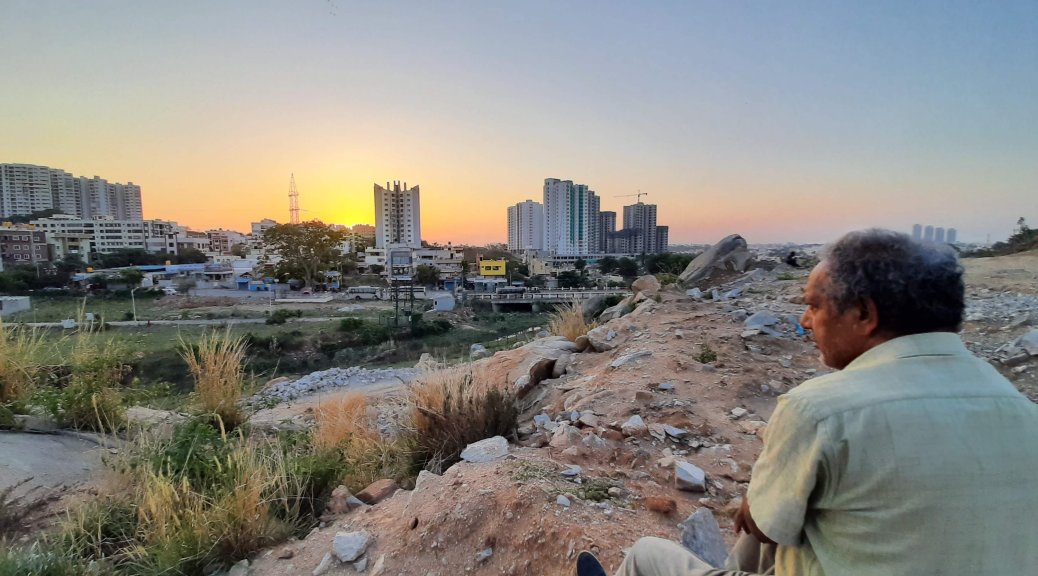
Tag Archives: Wild Karnataka

In quest of the master weaver of the Kodiyala sarees

My readers and followers on social media are aware of my love for everything handmade. From handicrafts to handlooms, I have a liking for everything with a human touch. Today’s story is also about one such discovery of a handmade product.

It was on the first Sunday of October 2025, to be precise. I was at the ‘Kaaranu Kodupo’, an annual ceremony of Ancestral worship at the Ainmane- the ancestral home of our family. Once the ceremony was over, lunch followed. All the uncles, aunts and distant cousins who had been meeting after a long time had formed small groups and got busy catching up on conversations that hadn’t happened for a long time. Meanwhile, my mom noticed one of my cousins and complimented her on her saree. Upon enquiry about where she had got it from, she mentioned that the saree was part of her wedding trousseau, put together with collections from Kodiyala village in Mandya district. It was the first time I was hearing of the place. I quickly browsed the place on my phone and came across the history of the Kodiyala sarees.
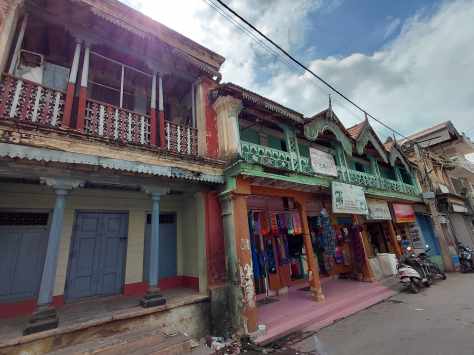
The Streets of Kodiyala village

I spoke with a friend who shares an interest in handlooms, and we decided to visit a place we hadn’t known about until then. We boarded a train from Bangalore to Srirangapatna, then a KSRTC bus, which dropped us off at Kodiyala. It was a ‘Y’ junction. We were wondering which of the two divergent roads to take. We chose the one that looked a little denser than the other, with packed buildings and shops. As we entered the road, we realised that almost all the structures were quite old, probably dating back to the colonial era or the time of the Mysore Rajas. Some have been maintained in excellent condition. As we walked straight along the same main road, we hit a dead end, arriving at a large temple pond. A granite plaque placed next to it indicated that it had been commissioned much later.
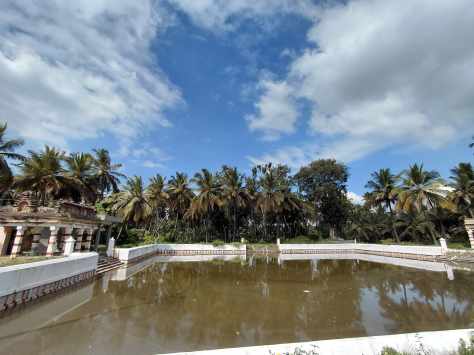
The temple tank at Kodiyala

We turned back and took one of the crossroads. That’s when we heard the first sound of a loom. It was a steady, rhythmic hum from a power loom, which affirmed the journey we had undertaken so far. But we walked past several muddy streets, with cattle, both bovine and goats, tied outside houses, in search of a Kodiyala handloom that we had read about on Google. The humble smell of the village and the constant sound of the machines kept us company, but none of what we wanted had been spotted.

A lady who had been watching us walk around aimlessly on the street in front of her house paused to ask us what we wanted. We told her that we had been looking to buy authentic Kodiyala sarees, and she introduced herself as a weaver. We were excited and accepted her invitation to walk up to the first floor of her house. She displayed the collection she had at home, but we had to politely refuse them all, as they were all made on a power loom set up on the ground floor of their house. On the parallel street, we then walked into a random house with a cow dung-smeared floor and a low-rise clay-tiled roof. An old man greeted us with a smile and stopped the machine that was creating noise around him. We enquired with him about the looms, and he told us how almost 99% of the weavers in the village had adopted power looms, and there was no one in his known circles who still wove sarees the old-school way. We were heartbroken.
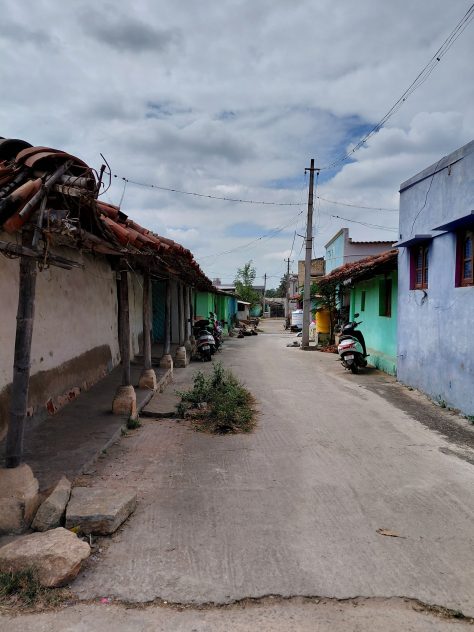
Houses with looms at Kodiyala village

We continued to walk slowly, observing around for the universe’s hints and reached the ‘Y’ junction again. We took the other side of the road, and the same drill began. This time, the streets looked wider, and the houses looked a little more elaborate. Probably, the elite of the time bygone lived in this part of the village. As we walked, we saw a group of old women sitting on the verandah of one of the houses and sharing a fun discussion while stringing flowers. They asked us if we were looking for something or someone. We told them that we were casually walking around the pretty village and trying to find someone who made handwoven Kodiyala sarees. They were surprised and told us that they all used to be weavers themselves. They invited us over to their house for some coffee and showed us around their house.

It was a beautiful courtyard home, one end of which opened to a large garden behind. They showed us old photos and pits inside the house, which were now only memories of the handlooms that had been operated a couple of years ago. Though they are all third- or fourth-generation weavers based in the Mysore region, they all spoke Telugu at home. While we enquired about their mother tongue, they enlightened us a little more about the history of how Kodiyala, the weaving village, came into existence.
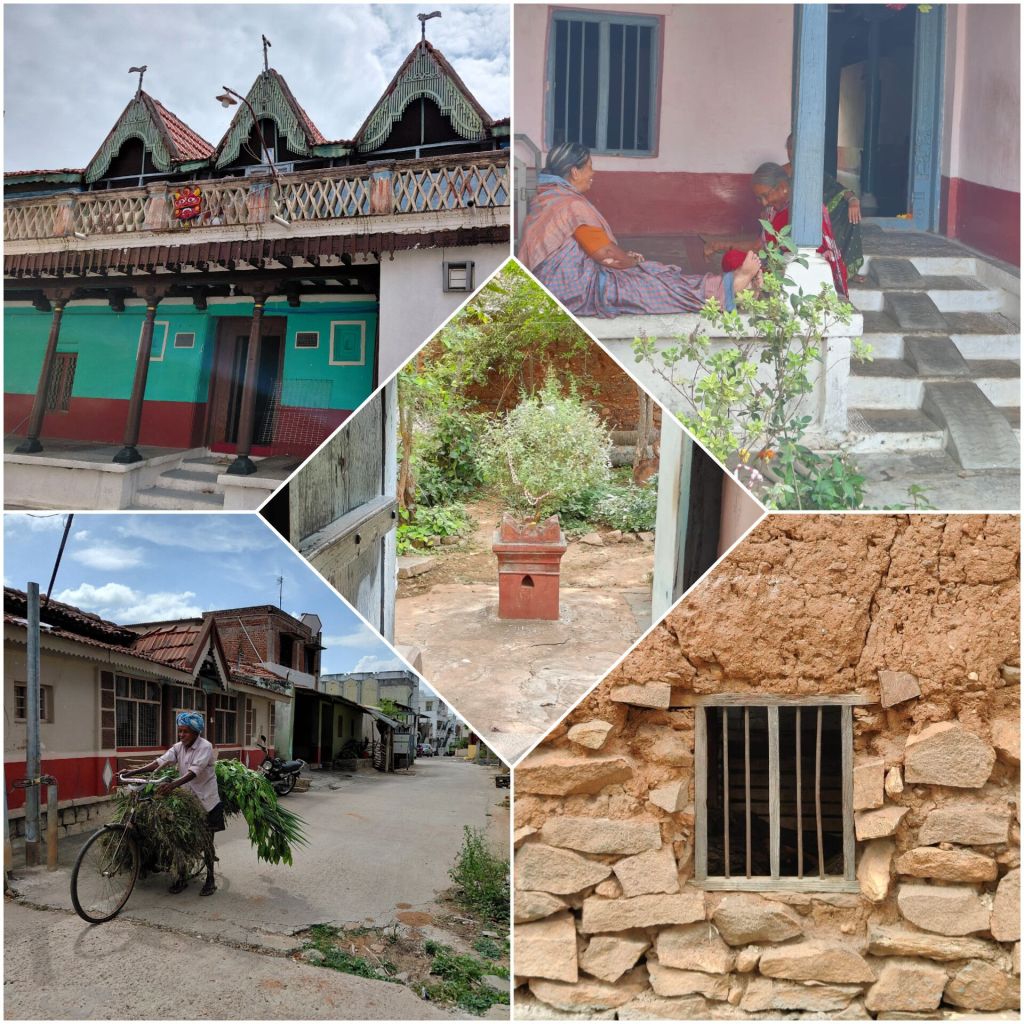
Snippets of Everyday life at Kodiyala

Generations ago, when severe hardships devastated weaving communities in Andhra Pradesh, thousands of skilled artisans were left without work, food, or shelter. Recognising the value of their extraordinary craftsmanship, the Wodeyar rulers of Mysore invited these weavers to settle within their kingdom. Handlooms were established in Kodiyala, allowing the artisans to rebuild their lives with dignity while preserving their ancestral craft. Belonging to the Padmashali community, these artisans soon became the official weavers to the Mysore royalty, renowned for crafting exquisite cotton sarees for everyday royal wear. This royal patronage ensured steady livelihoods while nurturing their traditional artistry across generations. Inspired by the beauty of life in the Mysore kingdom, Kodiyala sarees evolved into timeless expressions of local culture. Delicate motifs drawn from native flora, fauna, and architecture became signatures of the weave, earning Kodiyala sarees a reputation for refined craftsmanship, understated elegance, and quality worthy of royalty.

Today, however, the traditional handlooms of Kodiyala face an uncertain future. The rise of power looms has gradually replaced the painstaking artistry of hand weaving, pushing this heritage craft toward the brink of extinction. Only a handful of master Kodiyala handloom weavers remain across the Mysore region, continuing to uphold a tradition once treasured by royal households.
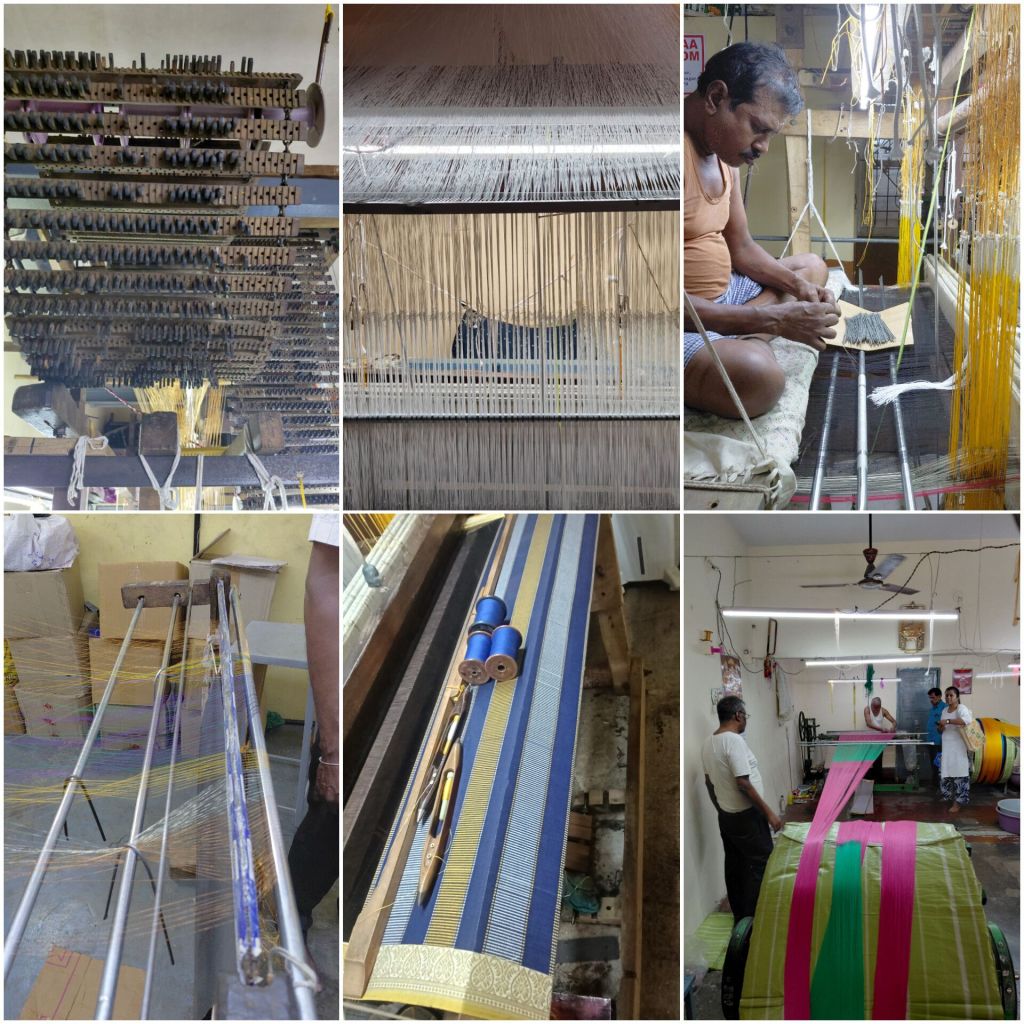
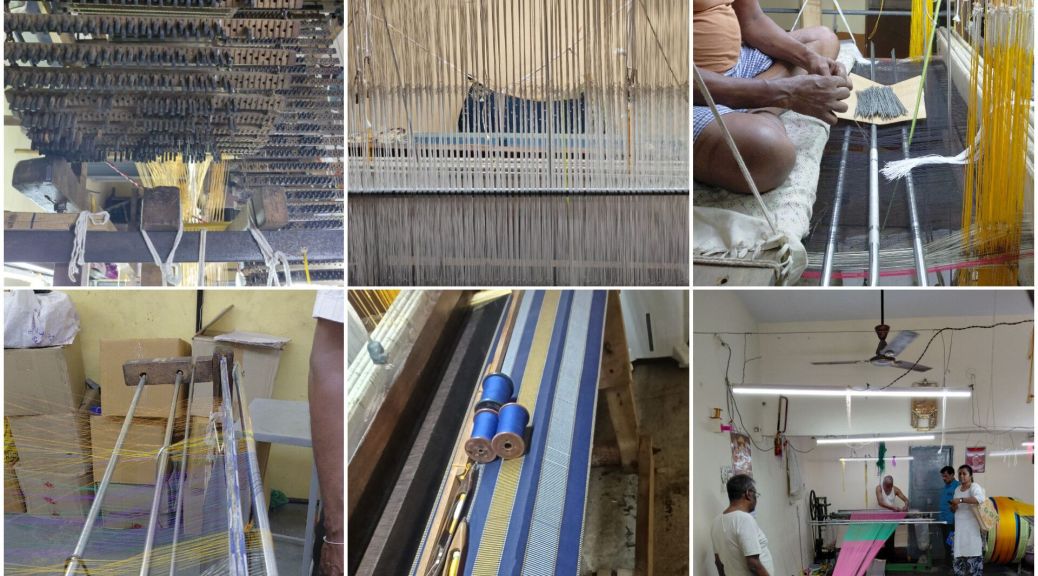
The handlooms of Kodiayala

It was indeed an insightful meeting with this family. We thanked them for their hospitality and knowledge sharing and bid them goodbye. But at the end of this story, did we find what we had come looking for? Hell! yeah! We had our luck hidden in this house. They got us in touch with one of their relatives who continued to hand-weave the cotton sarees, just the old way. Among the 99% of the weavers who adopted powerloom, he is the remaining 1% who continued to nurture this art and preserve the beautiful Kodiyala saree weaving tradition. We got an opportunity to visit his loom and understand the working of a handloom and a Kodiyala- Weave, from where we bought our first authentic Kodiyala Hand-woven cotton saree. But that’s for another story 🙂

Rock Climbing Weekend at Badami

During my tenure as a freelance outdoor leader, the organization that I was working for had arranged an adventure outing for all the leaders to catch up for one weekend. The itinerary seemed interesting but I could not join the team due to personal reasons. When the pictures from the tour were shared in the common group, I had myself filled with regret and envy for not joining them. One photo was of a participant hanging down from a massive rocky hill which triggered me to plan my own trip to finish the undone.

When I did a bit of research on other destinations to learn rock-climbing, several options appeared from locations nearby to Bangalore. But nothing could match the one at Badami in Karnataka. Apart from Badami being a UNESCO site of heritage, its rocky mountainous terrain is popular among climbing enthusiasts. Technical courses in various difficult levels of climbing, from entry to professional are offered by a couple of well-known trainers in Badami. Well, I combined my trip to Badani with a visit to Hampi, but that is for another story. I contacted one of these trainers, booked myself a weekend slot for a beginners’ course and arrived at Badami one morning.

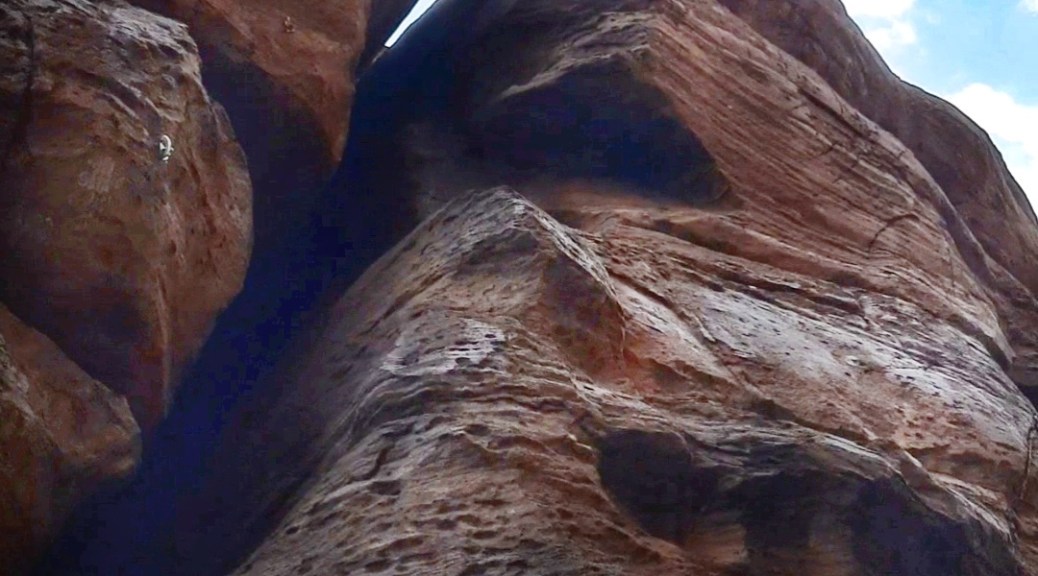
As told, I arrived at Ranganathana Gudda, on the hillocks where my course was supposed to be conducted. Since the weather can get very hot by mid-day in this region, all climbing activities are usually conducted during early morning and late afternoon hours. The surrounding rocky hills cast a shadow at these hours, and this shade provides a cool environment for climbers in an otherwise arid climate of Badami. With safety harness around my waist, climbing shoes, helmets, and chalk powder on my hands, I felt like a warrior ready to enter a war field. I attended four sessions spanning 2 days and completely loved it. Under good guidance, I was able to quickly leam the knack of rock climbing with ease even as a beginner. The overall experience was utterly amazing and worth all the hype and urge I had created within myself to try my hands at it.

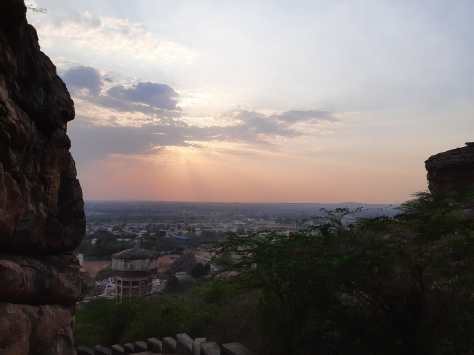
Sunset from Ranganathana Gudda- Badami

For first timers in Badami, the gap hours between climbing sessions can be utilized to explore Badami’s historical and cultural heritage. It is amazing and impressive. However, I decided to skip all of it this time because I had been to Badami before exclusively for cultural exploration. This time I decided to just relax in the comfort of our hotel (Mayura, Badami) rather than drain our in the scorching heat of the March Sun after the morning climbing session and just soak up the tranquility of the setting sun from the Ranganathana Gudda post the evening sessions.

Along with all the above wonders to be experienced again, what will bring me again to Badami is to experience the full moon night’s camping and hiking over these rocky hills. This was a discovery I made only during this visit and hence could not prepare for it. A full moon night’s view with bonfire to keep us warm with our tents pitched up above there is only a vacation I manifest to happen soon.

A weekend hike from Bengaluru- Akkayammana Betta

On a random day, we decided to drive towards Kempegowda International Airport with a basic idea to catch the sunset from a nice vantage point. We have explored the Devanahalli fort area on one of our previous day trips and wanted to explore some new places around there. But this time, we had a new family member along with us whose comfort was also meant to be kept in mind while choosing the destination- Our pet dog.

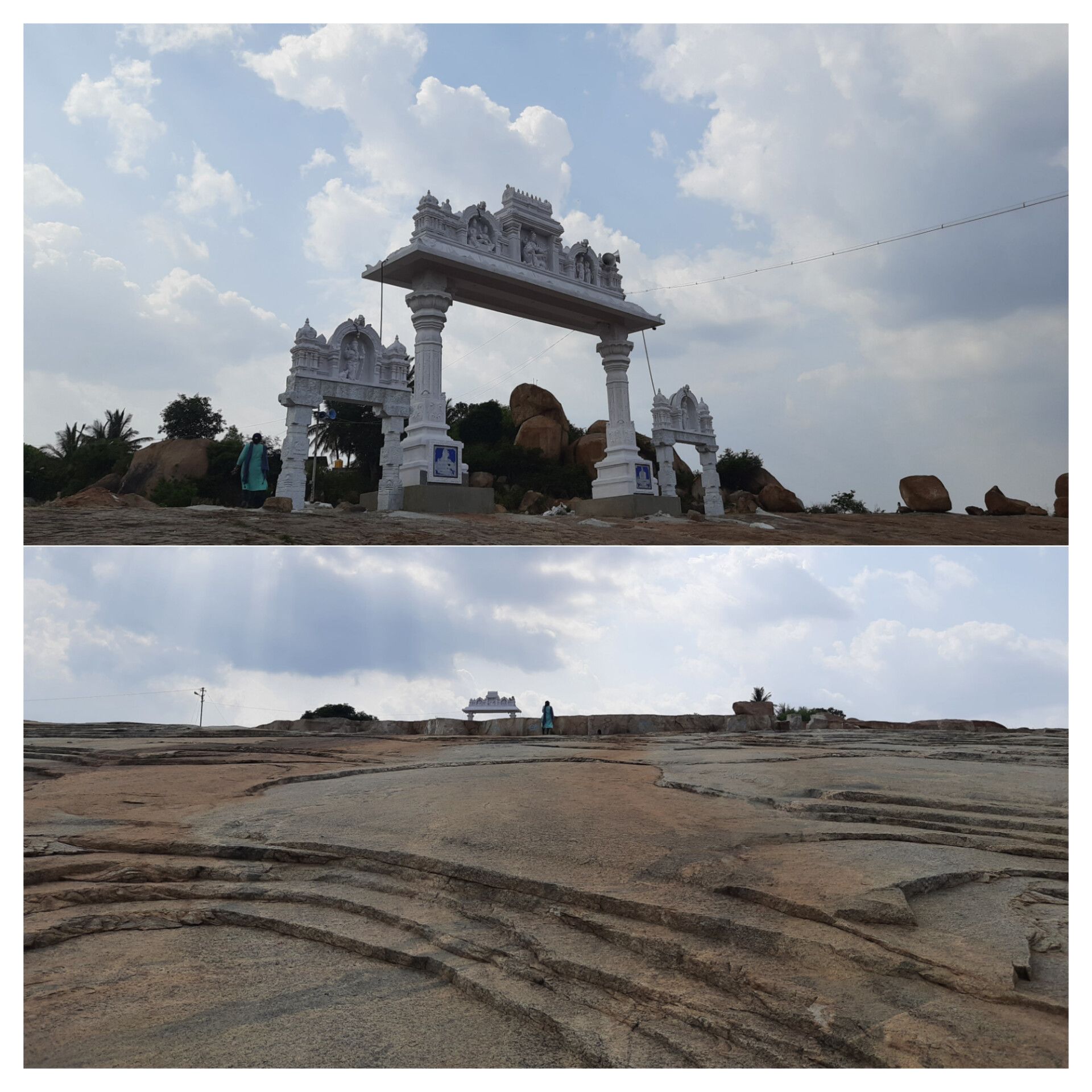
By looking up a little on google, we came across the sunset point from ‘Akkayammana Betta’. We drove up right until its base where we parked our car and unleashed our dog to freely walk up the small hillock with us. The climb up was easy, leading to a welcome arch of the hilltop temple.

Akkayammana Betta
The climb and the welcome arch to Akkayammana Betta

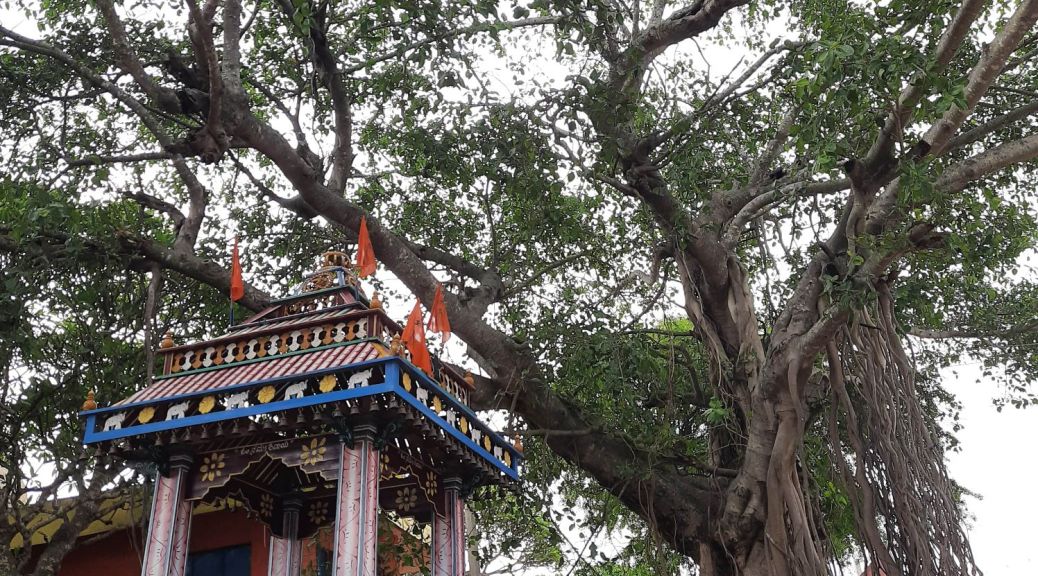
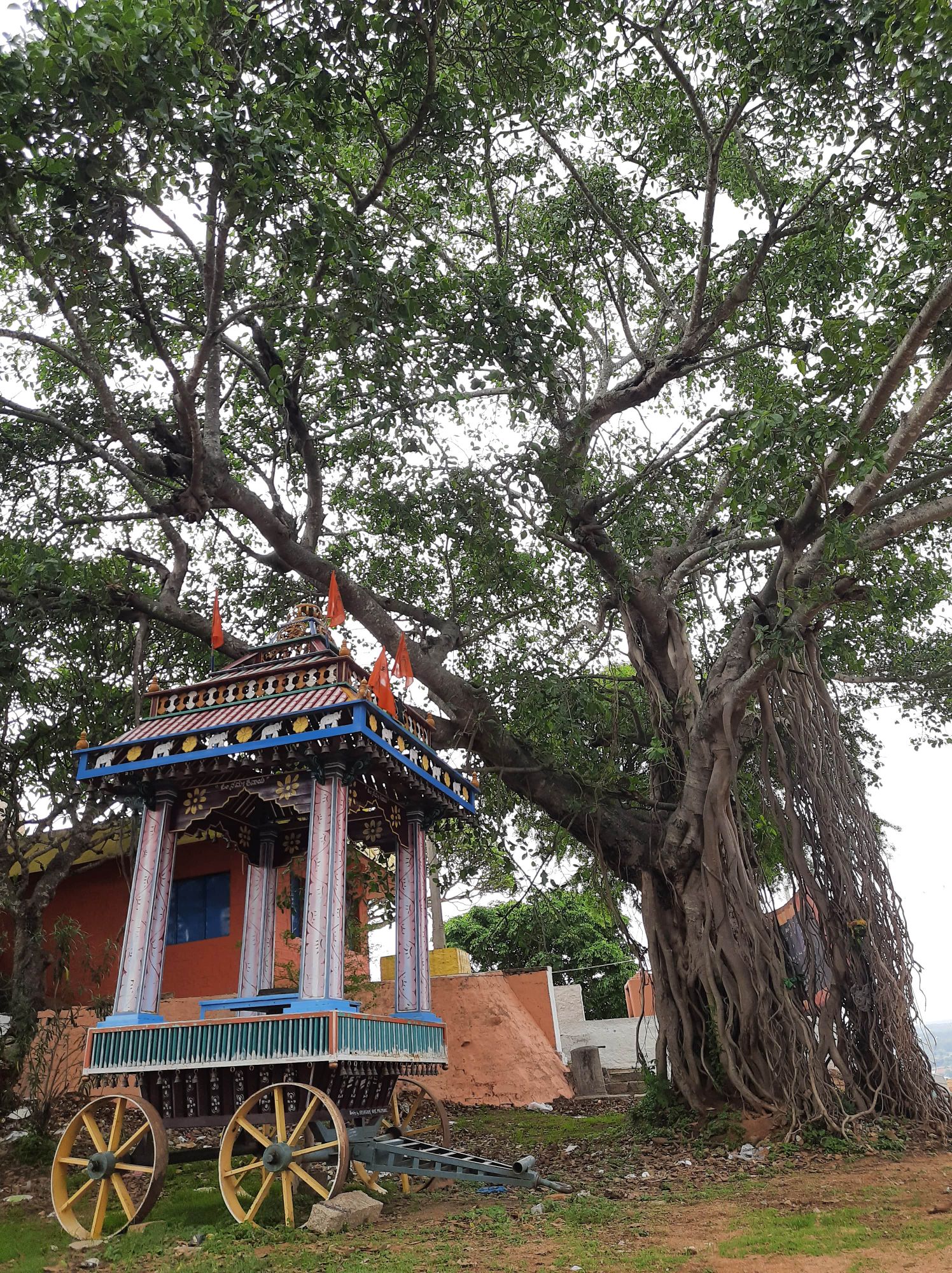
We walked further and reached a small temple under a large peepal tree that remained closed at the time of our visit. Beyond that was a large rocky tabletop hill offering a view of the surrounding villages and farms.

Akkayammana Betta
The temple and the wooden cart at Akkayammana Betta

While our dog got busy enjoying his time in a puddle of rainwater, we comforted ourselves on the rocky ground watching him enjoy his dip as the sky was prepping itself to see-off the setting sun for the day. Until sunset, the airplanes landing and taking-off at the KempeGowda International airport kept us accompanied. It was a beautiful sunset.

Akkayammana Betta
The route from the temple to the hilltop view point at Akkayammana Betta

After that, we took a walk from across the hill and passed by a few other smaller shrines at the top before descending towards our car. As we approached the temple arch, I noticed a petty shop that sold some eatables and soft drinks. We took a small snack break and fed biscuits to the stray dogs that had followed us. We reached back to the car before it got dark and headed back towards the city, thus ending a short day-out.

A day hike from Bengaluru- Kunagalu Betta

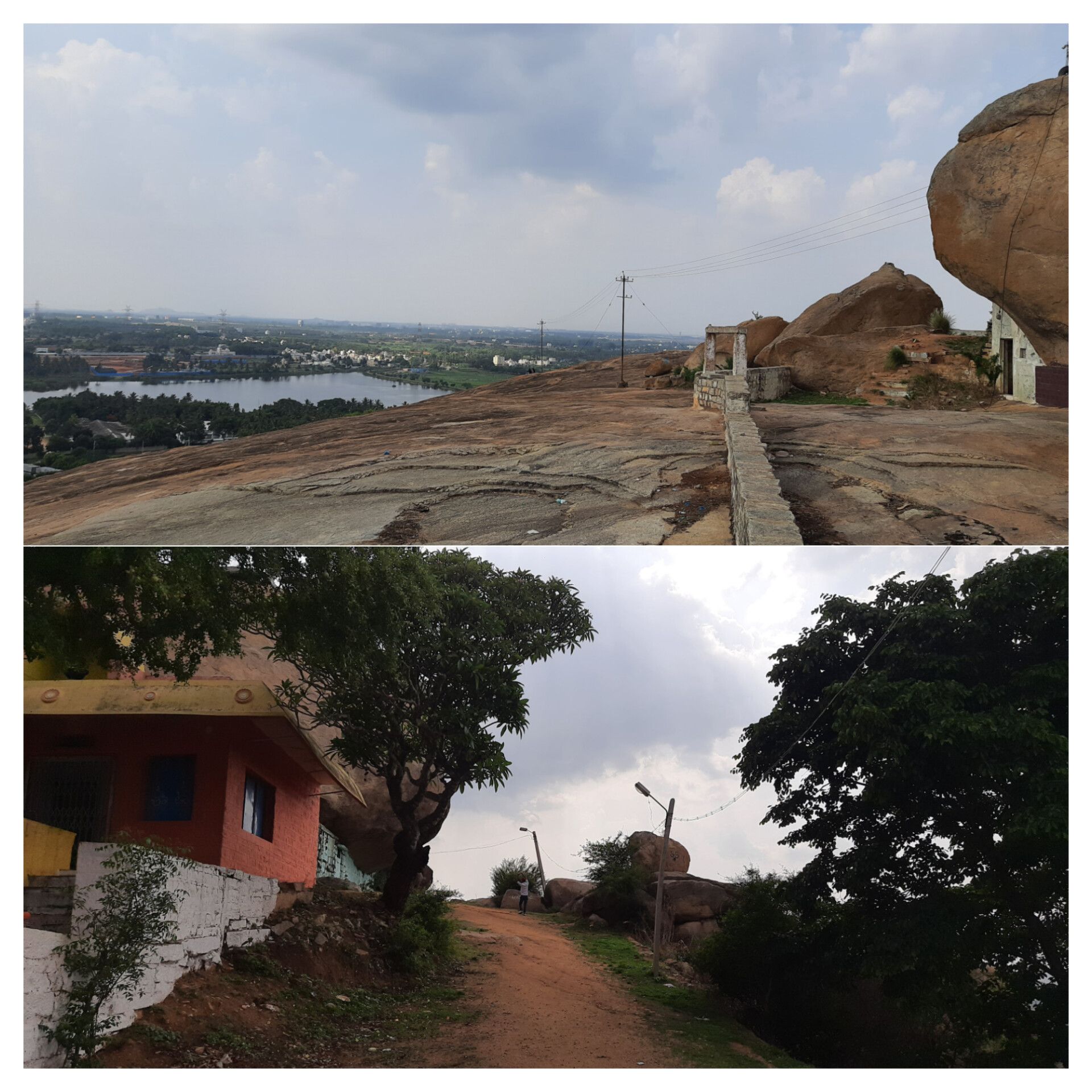
My friends and I picked yet another hill-top around Bengaluru for a day hike. ‘Kunagalu Betta’ on Kanakapura road, it was. We reached there early in the morning before the rest of the world discovered it (for that day). The car could go on to most stretch of the steep road until we parked it beside a small structure built for lord Hanuman by the roadside, under a large rock.

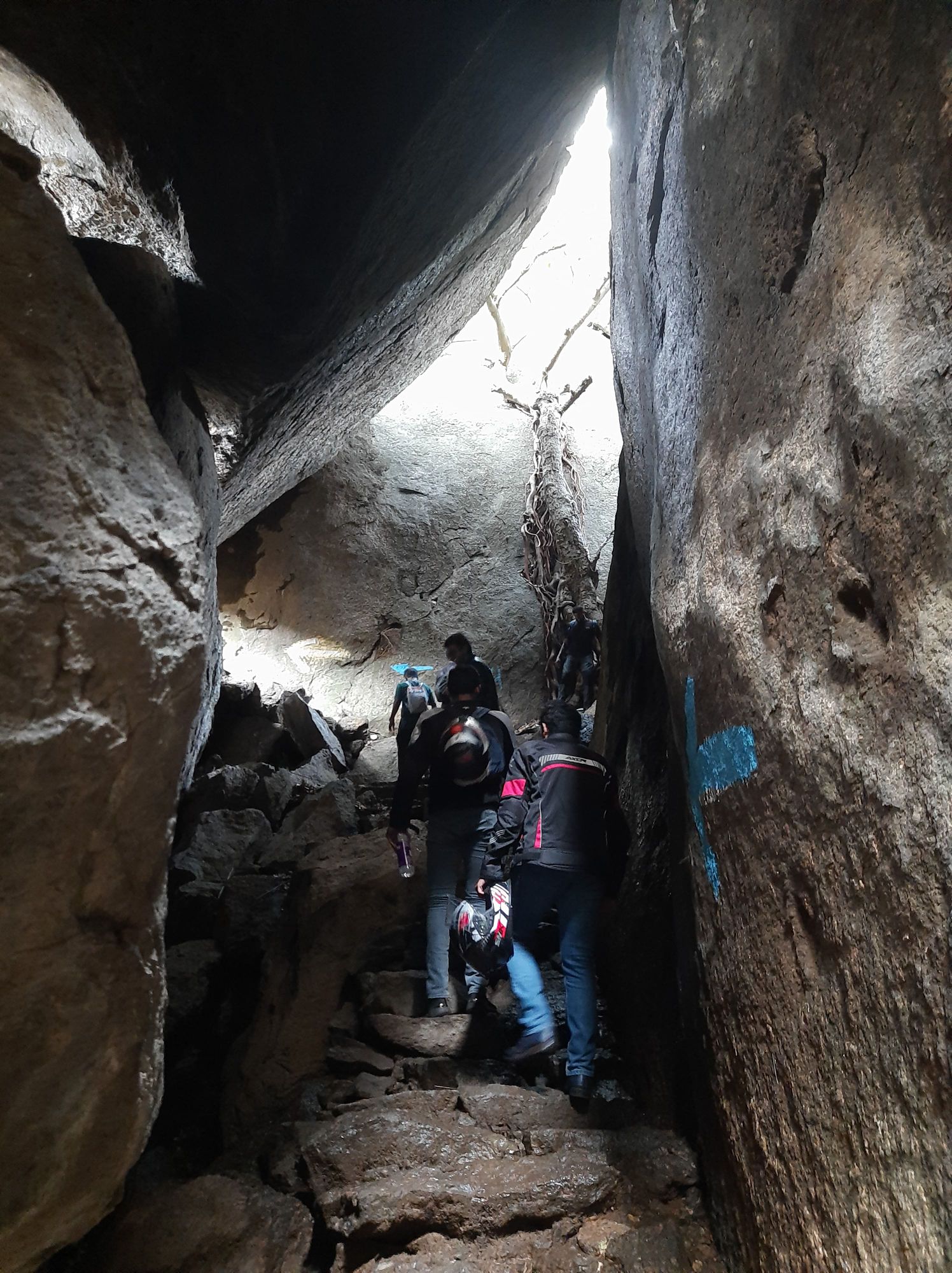
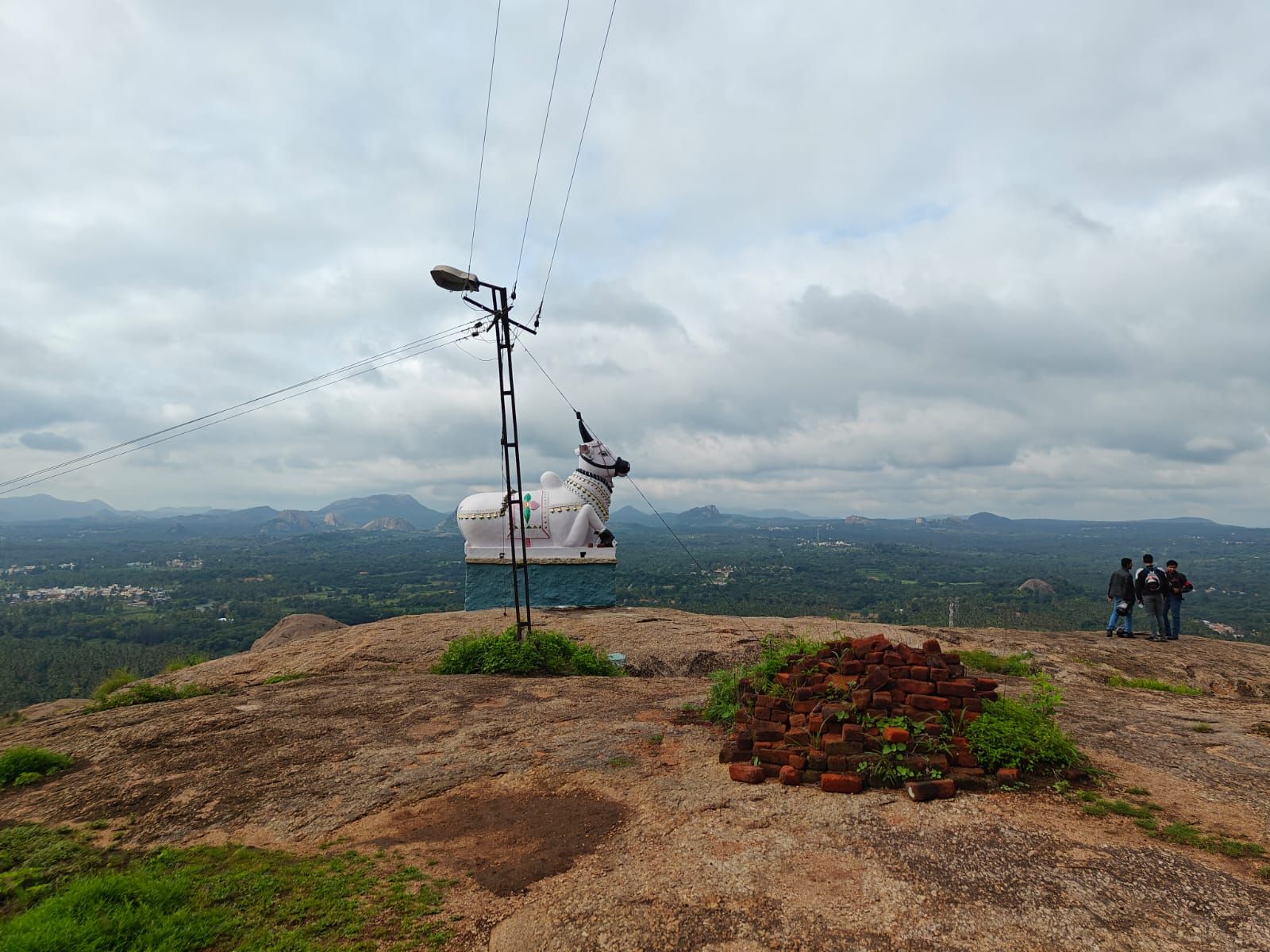
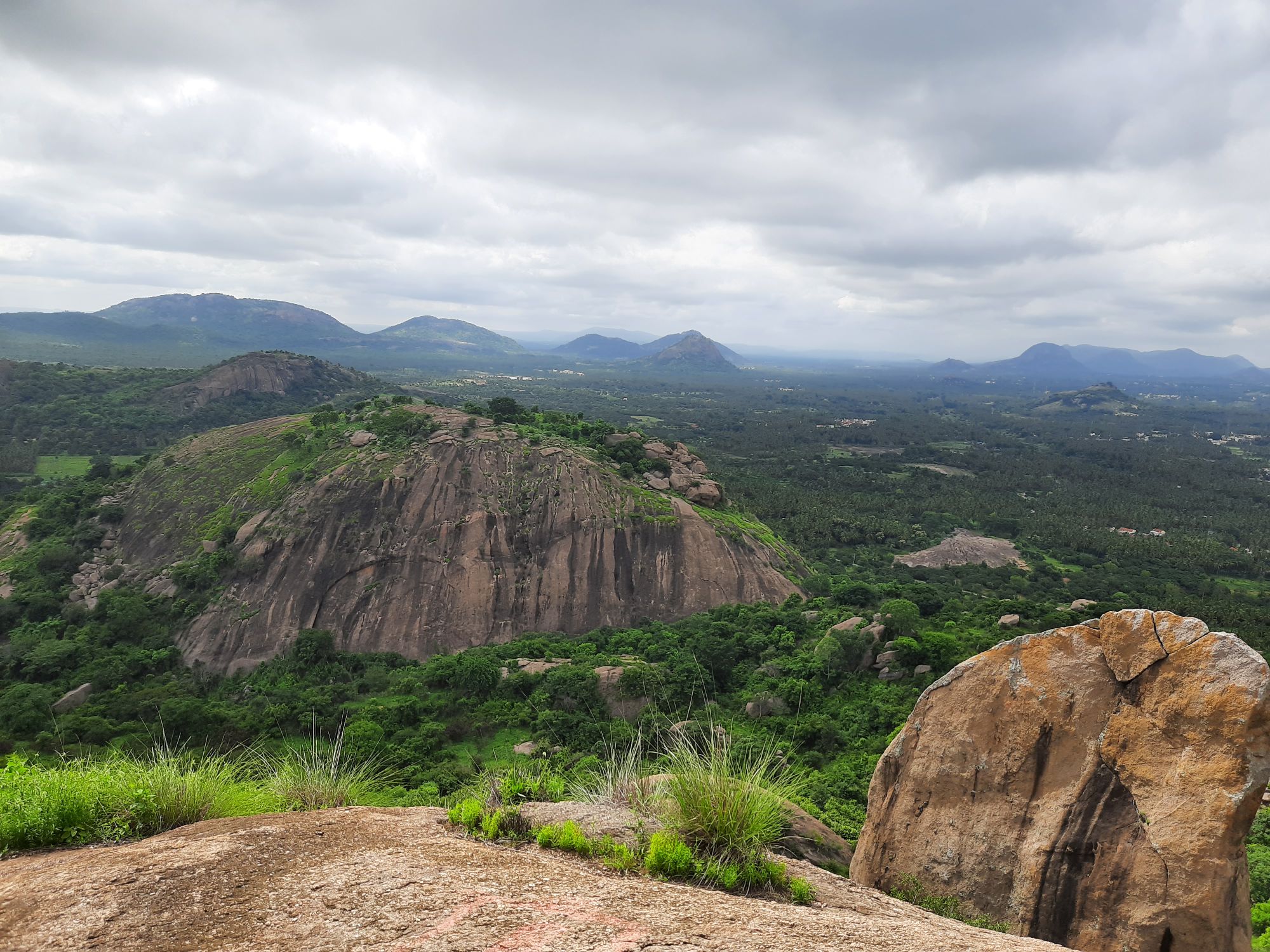
We started our hike uphill where the route was lined with several trees of custard apples for most stretch. After a kilometer of so, we came across a large rock that formed a cave-arch-like structure that kept the atmosphere inside very cool. After climbing out of the arch, it opened into the sky above a flat hill-top that offered a beautiful view of the other hills around. Do you remember my hike to Acchalu betta, where we went to find a statue of a Nandi on the hill-top? (you can read that story here). A similar Nandi was erected on this hilltop also, which was then overlooked by an ancient temple further atop a rocky outcrop from there.

The Cave like formation at Kunagalu Betta

To reach there, we crossed a small wooden brook formed out of a tree branch and then climbed to the peak where the temple stood. We sought the almighty’s blessings which mark the end of the ascent of the hike for most people. We had barely climbed a kilometer and half, and it didn’t feel like a hike yet considering we had done longer trails even on day trips. The breeze was cool, strong and yet soothing and hence, we decided to sit there and spend some time feeling the wind in our hair.

Kunagalu betta
The Nandi Statue atop Kunagalu betta

We then looked around and decided to find our own way to the adjacent hill from there. We climbed down the temple hill and climbed up the adjacent one. We again climbed it down and navigated our way through thick bushes and thorns to ascend yet another small peak. On that peak, we got a sense of getting lost if we tried to explore more hills because at that point, we were the only people and there was no trail that had worn out to lead us anywhere if we were lost. We descended that hill and were trying to find the direction that would lead us back to the temple.

Kunagalu Betta Peak
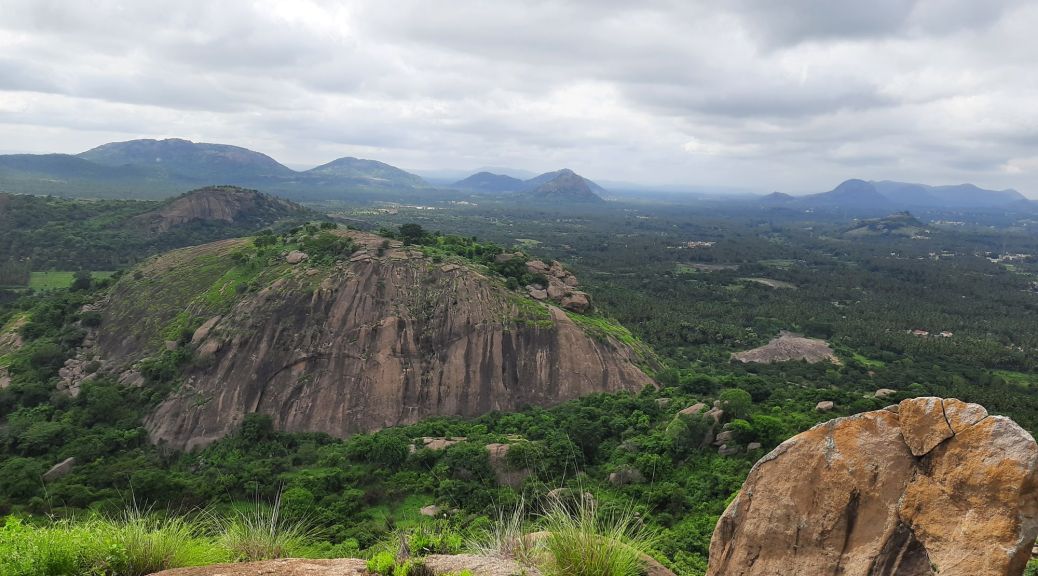
The view from Kunagalu Betta peak

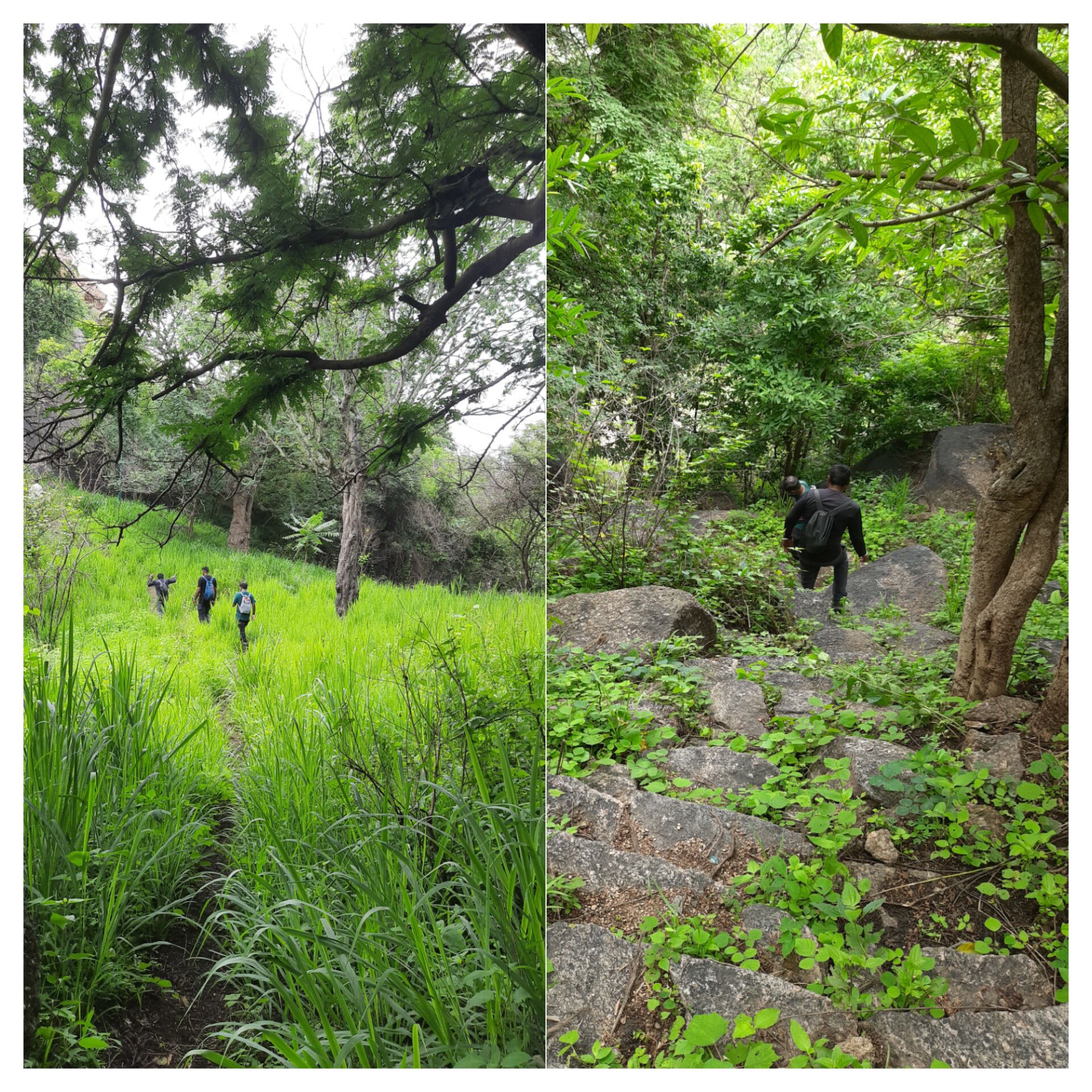
Just then, our eyes caught a small slope in a random direction and all of us decided to explore one last random trail before heading back. We walked in that direction where the tall grass seemed to need some wear. We walked down further and suddenly out of nowhere; we were in for a surprise. There was a flight of stairs chiseled out of the rocks which was leading downwards. Finding stairs out of nowhere was a surprise, but what assured us was that the stairs would lead us somewhere interesting. Perhaps an abandoned piece of history? We thought as we headed in that direction.

Kunagalu Betta
In quest to explore the lost history at Kunagalu Betta

The grass laden stairs quickly cleared up to the view of a dozen motorbikes all parked side-by-side. That’s when we realized that we had already reached the parking lot. We had found a shortcut on our quest to explore random trails in random directions. Thus ended our quick hike to Kunagalu Betta. I picked up a bag from the car and tried to pluck as many custard apples as possible before heading back.

In conclusion, it was a short and easy hike. You can combine it with Acchalu betta or any other hike on Kanakapura road and make it a full-day activity.

The Boad Namme of Chembebellur

‘Boad’ in Kodava language means to beg/ request. ‘Namme’ translates to ‘festival.’ Thus, the ‘Boad Namme’ can be loosely called as the festival in which the people of Kodagu request ‘Goddess Bhagavati’ to grant their wishes.

The Boad namme is observed across Bhagavathi temples located in several villages in the southern part of Kodagu district, in series. The first Boad of the year starts at the temple of Kunda and the last one is observed at Parana village. Kudure (Horse) worship is an integral part of the Boad namme. In this, a young boy belonging to a designated clan from the respective village dresses up in the costumes of a horse and participates in the various ceremonies during the festival. Hence, it is said that ‘Kundath-ra Bott-le nenda Kudure, Parana mani-le ilinja Kudure.’ Translating to ‘the horse which rises at Kunda will only settle at Parana.’

I will talk about these two Boad festivals in separate posts. Among a series of all other Boad namme that are observed across villages in South Kodagu, I am starting from the middle, at Chembebellur village. The Boad Namme of Chembebellur is among the most popular of them all. It is observed over a period of four days and usually happens around the last week of April of each year.

Day one is Pattani. People belonging to all the native clans of Chembebellur observe ‘Fast’ on this day.

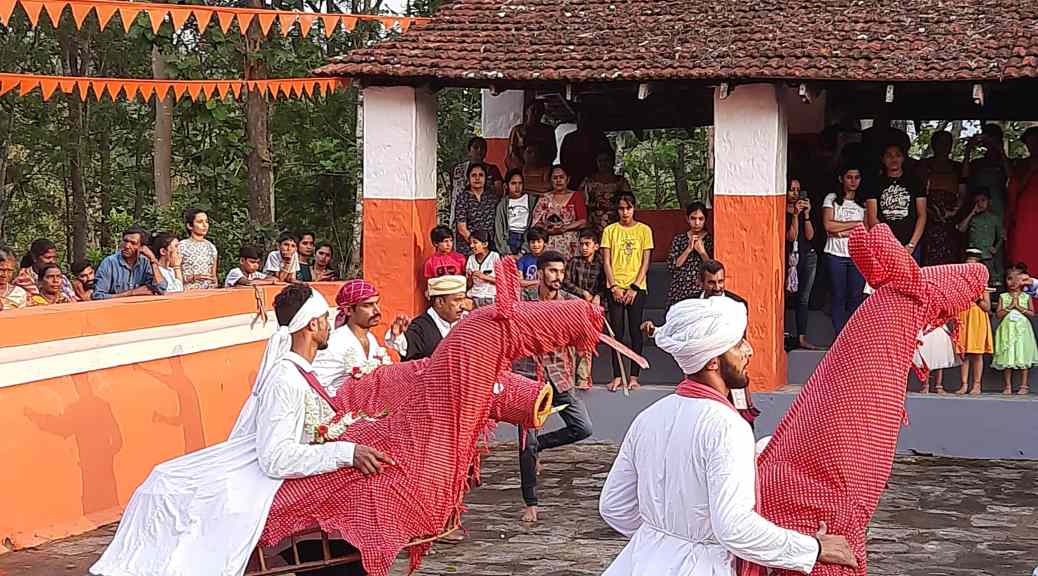
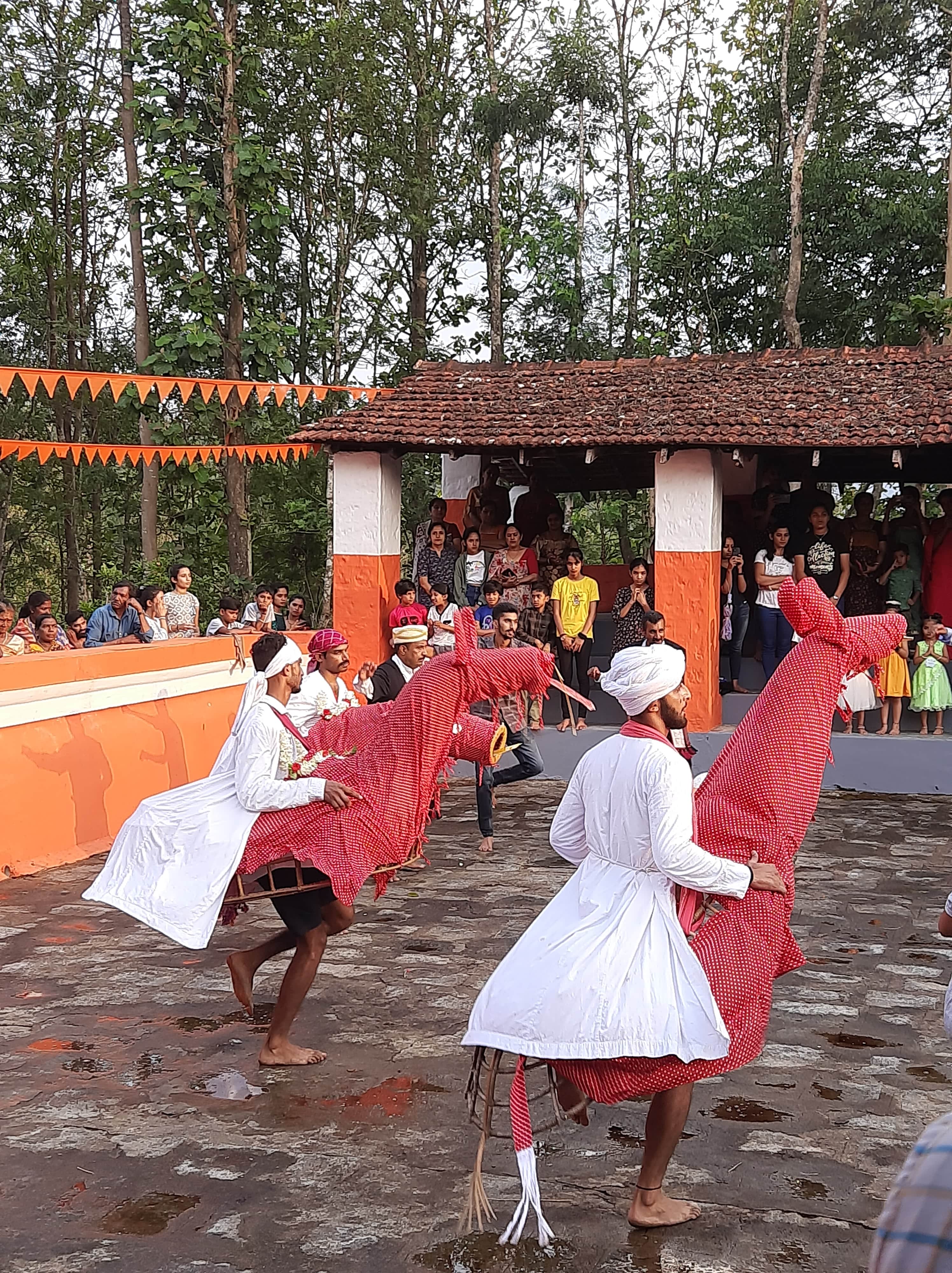
Day two is Kudure. Three young boys representing three clans of the three main Keris (areas) of Chembebellur i.e., Ajjinakanda clan of Podakeri, Coluvanda clan of Podakote and Chembanda clan of Nadikeri wear the costumes resembling horses (Kudure) and start from their respective Ain mane (clan’s ancestral home). They are accompanied by men impersonating other local deities of the village like Choundi, Aiyappa and the others during their march towards the Bhadrakali temple where they all assemble and hold the following rituals. Post this, there is a fire set up in front of the temple in which effigies are burnt.

Kudure at Chembebellur Bhadrakali temple
Day 2: Kudure at Chembebellur Bhadrakali temple

The gathering then moves towards the village’s ‘Eshwara temple’ where the rest of the men and boys of all age groups dress up in various costumes. This dressing-up is a form of a vow they make to invoke Goddess Bhadrakali’s blessings. The costumes could range from traditional Bund-kali (Mud-smearing), Pill-Bhoota (Hay man), Puli-vesha (Tiger costume) etc. to more modern forms of cricketers, Llamas, swamijis, seducers etc. These dressed up men folk visit every house of Chembebellur asking/begging’ for alms all night and it is a fun time for all the households who host these men in the houses.

Day Three is Boad. This part of the festival is the most awaited and the highlight of the four-day celebration. All the dressed men congregate at the Bhadrakali temple in the afternoon. They are accompanied by the men impersonating the local deities as well. They all together circumambulate the temple thrice and go around begging form alms from the thousands of people who gather there to participate in the festivities. The end of the circumambulation marks the end of the Boad where all the men collectively offer all the money collected through begging to the Goddess and seek her blessings.

Day 3- Boad festival at Chembebellur Bhadrakali temple

Day four is Choole. Young boys who are yet to reach adolescence, cross-dress in attire of Kodava women and offer their prayers at the Bhadrakali temple. This day marks the end of a fun and yet traditionally rooted festival of Chembebellur, paving way for a Boad namme to start at yet another village of South Kodagu.

Disclaimer: The purpose of this article is for documentation of lesser known festivals of India. The above information is only based on what I could gather by discussing with people who had gathered at the temple. My apologies for any wrong representation. Readers are welcome to contribute any information that is deemed important and useful to be shared here.

Bannerghatta beyond zoo- Bilikal Ranganathaswamy betta

Initially, when a friend mentioned the destination for an impromptu drive on a Saturday morning, I hoped to correct him by telling it was ‘Biligiri Ranganathaswamy Betta’. “No, it is Bili-Kal’, he specified. ‘Bili’ translates to ‘white’ in Kannada. ‘Giri’ means ‘hill’. ‘Kallu’ means ’stone/ rock’. In this context, we were both talking about two different destinations. Although the presiding deity at the temples located atop both these hills are common, Biligiri is more popular than its counterpart at Bilikal. While Biligiri forms the core of Biligiri Ranganathaswamy Temple (BRT) tiger reserve, Bilikal is in the heart of a reserve forest that comes under Kodihalli wildlife division of Bannerghatta National Park. So, this time, we were heading to ‘Bilikal Ranganathaswamy Betta’, the closest of the two to Bangalore city limits, reachable through Kanakapura road.

We stopped by Halagur town for breakfast which has several old and popular eateries that serve unique types and authentic recipes of idlis for breakfast. (Comment below if you need hotel recommendations). Post this break, we followed google maps to reach our destination.

There is a forest check post enroute where one needs to make an entry to continue the journey ahead. The temple hill can be summited via two routes, one is a trek route with stairs, and another is through an unpaved road that is clearly marked till the end. Although four-wheel drive is not mandatory for those opting to drive up, it is recommended to have a vehicle with good ground clearance.

Bilikal ranganathaswamy temple
Bilikal ranganathaswamy temple, Rear view of the Monolithic rock

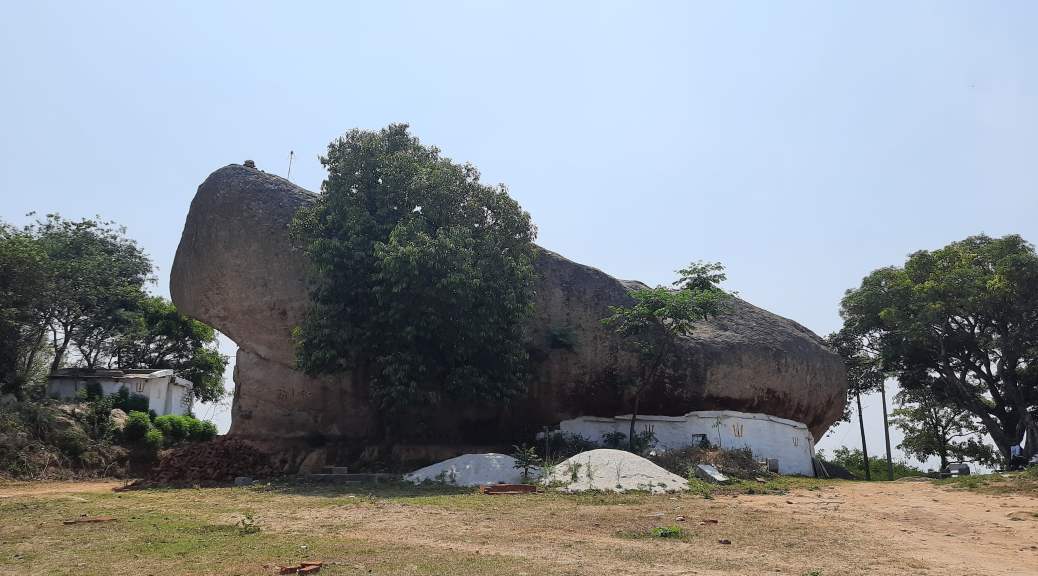
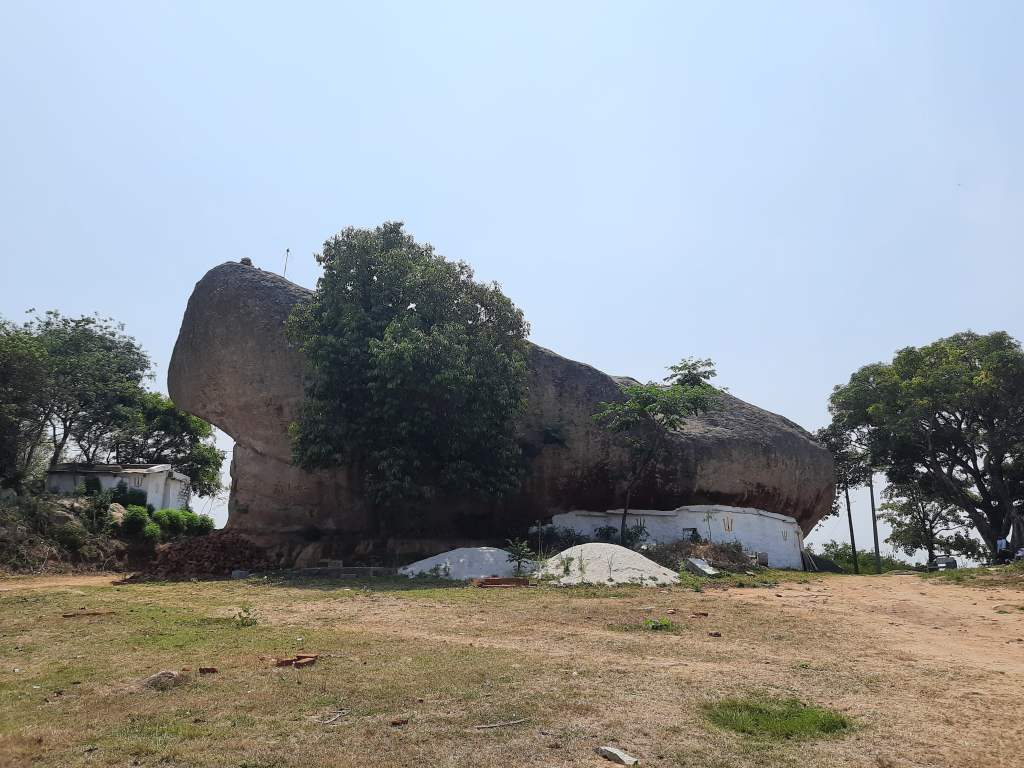
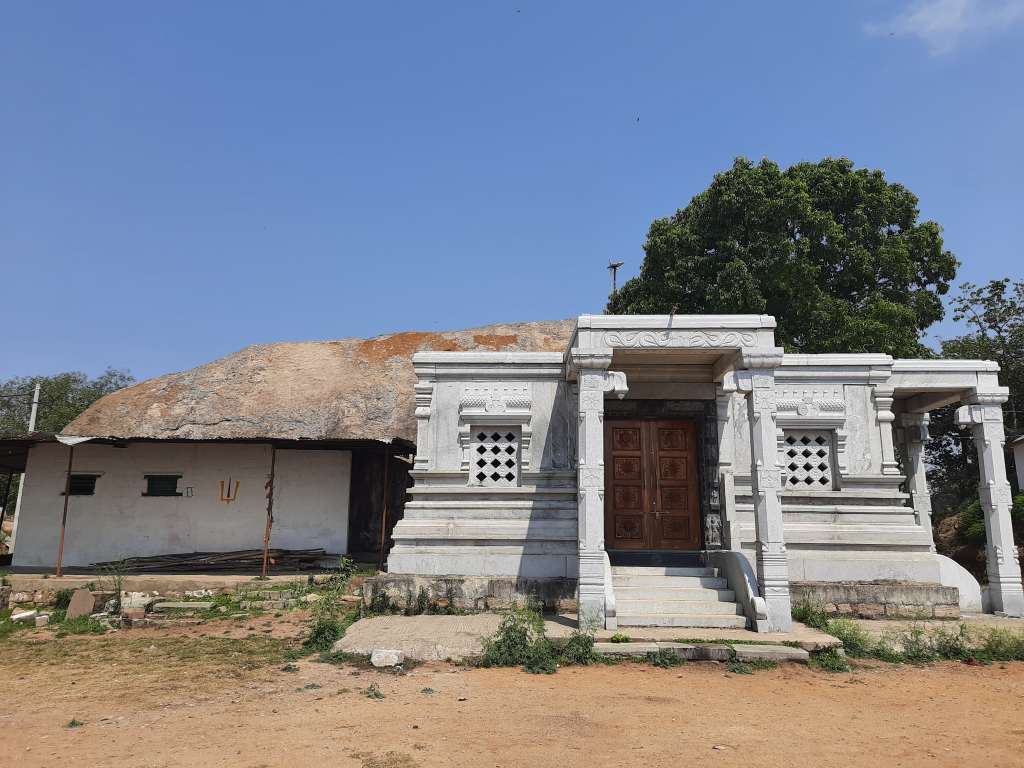
Upon reaching the peak, it was a large open area which came as quite a surprise. While one side of the hill had the temple pond dug into the edge of the rocky hill, the main temple of Ranganathaswamy is located on another side of the hill, overseeing a magnificent view of the surrounding hills. The main deity is carved out of a large monolithic rocky outcrop on the hill, which makes this place unique among all that I had visited thus far. There is a small sculpture on this rock which we were told is the original figurine of worship until it was damaged many years ago. Since then, an alternate idol has been carved out of the larger rock and a simple temple has been built outside leading into the prayer chamber within the monolithic rock.

Next to the temple rock, is another old and small room like stone structure. A few localites who were present there told us that it was the house of an old lady Kamalamma, who lived there and had dedicated her life in the service of Lord Ranganatha. Amid the wilderness of the thick jungle, she lived all alone in the belief that Ranga was her caretaker. She was accompanied by a few cattle that lived there whose milk was used to distribute buttermilk to pilgrims who arrived there every Saturday after a tiring ascent by foot (before the drivable route was laid out). She is no more, and her tomb is now housed inside the structure where she lived.

Bilikal ranganathaswamy temple, front view of the rock temple

A short climb from this structure is another viewpoint, where one can sit on the rocky outcrop under the shade of the surrounding trees and take in some good views of the valley around. We returned after spending some time there. Overall, this was a pleasant and an offbeat outing from the city.

Things to note:

  • The temple and the forest check-post are open for public access only on Saturdays. Only one Pooja is offered to the deity, once per week.
  • The annual temple fair is held here in January when a wooden temple car is assembled and taken around the rock-temple.
  • All along our way, we observed a lot of fresh elephant dung. Hence, we are certain that the trail is frequented by elephants and other wild animals at all times of the day. As both the routes pass through dense forest, it is recommended to comply with all guidelines laid by the forest department.

Other nearby places that you can combine your visit with:

  • Shri Govinakallu Anjaneya swami temple (an offroad drive in the same forest limits)
  • Mekedaatu and Sangama
  • Muthathi riverbank
  • Galibore fishing camp
  • Bheemeshwari adventure and nature camp
Bilikal Ranganatha swamy temple

Bangalore Day Trips

If you are visiting Bangalore just for a day or are a resident of the city figuring out how to spend your day, here is a curation for those who are short on time and high on interest to explore. Depending on your choice, you can choose from what I have put-in together under three different categories.

Short drives:

The soil of Bengaluru is believed to be extremely fertile. One can visit a new farm and learn about agriculture in every direction. Also, several reserved forests dot the city boundaries. But the rapidly expanding boundary of the city has been soon taking over these green spaces and the limits of the city outskirts has been constantly changing.

My family and I have always loved to drive or ride out of the city in search of green spaces and spend some time in random destinations that are as random as just a lonely tree, a lake or a large boulder that gives a good view of the surroundings. Here is a list of such routes, trips and stories to help you plan yours.

  1. Day trip of villages around Channapatna
  2. Drive to Gulakamale lake
  3. Drive to Ragihalli Betta
  4. Drive to Koratagere Doddi
  5. Drive to Gullahatti Kaval
  6. Drive and local trip to Mekedaatu
  7. Drive to Ghati Subramanya and Makalidurga
  8. Drive to Kaiwara
  9. Driving around Devanahalli town
  10. Visiting GKVK university campus
  11. Driving around Haniyur village
  12. Visiting Railway Gollahalli
  13. Exploring Bannerghatta zoo and National park
  14. Driving around Hesaraghatta
  15. Drive to Biligundlu Ranganatha Swamy temple
  16. Drive to Bilikal Ranganatha Swamy temple

Treks & hikes:

Bangalore is blessed with abundant hills surrounding its periphery on all sides. There is an endless opportunity to explore a new hiking trail almost every day of the year. There are only a few that have been caught by the explorers and thanks to social media, have become popular. Here is a list of few such trails that I have hiked up and found time to document my experience.

  1. A natural arch – Bheemanakindi
  2. Night hike to see sunrise – Kunti Betta
  3. Hike to Siddarabetta
  4. Trek to Madhugiri fort
  5. Hike to Kunagalu Betta
  6. Hike to Acchalu Betta
  7. Hike to Balakodandaraya Swamy temple
  8. Hike to Suvarnamukhi Betta and temple

Explore city:

Once popular as the garden city, no one really saw Bengaluru to be expanding as much as it has and has been. Albeit being so modern, it is old and conservative. Despite being advanced with IT and tech, it is still laid back with its art and history. If you are someone with an interest to explore all sides of this metropolitan city, then I’ve tried my best to share some of my knowledge here.

  1. A Gastronomic walk-tour of South Bengaluru
  2. History of IISc and HAL, the two Premier institutes of India
  3. A list of premier museums in Bengaluru and their history
  4. Visiting a HMT watch store

Long drives:

These are places that you can visit in one day by road from Bangalore. if you are in a mood for a lonng drive, beyond Bangalore, here are itineraries for one-full day.

  1. Hogeynakal waterfalls
  2. Exploring nature around Mysore circuit
  3. Historical temples of Lepakshi
  4. Unesco Heritage (tentative) site- Temples of Belur & Halebeedu
  5. Exploring KGF (Kolar Gold Field)
  6. Pilgrimage to Adichunchanagiri betta

Bioluminescent Experiences in Karnataka

Karnataka is “One State Many Worlds, without a doubt! To explore a different aspect of travelling through this beautiful state, I take you on a path that is en-Lightening, in literal sense- ‘Bioluminescence’. Bioluminescence is a naturally occurring phenomenon of production and emission of light in living organisms. Apart from the visual treat to senses that they offer, the presence of these organisms can tell a lot about our environment as well.

With the Arabian Sea forming the entire coastal belt and the Western Ghats forming most of the green-cover of Karnataka, it is easy to witness bioluminescence anywhere in the state. Traversing a path from the southern rainforests of the state to the northern plainlands through the coastal beaches across all the seasons, here is a list of the different kinds of bioluminescence that one can experience in Karnataka.

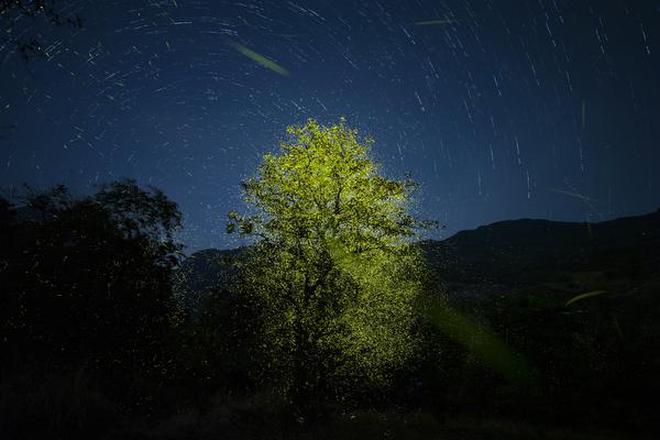
  1. Fireflies: An aerial illumination for spectators, these insects produce light to attract a potential mate. Abundant during the months of pre-monsoon showers and summers, the untouched sacred groves and the organic farms of Kodagu and Malenadu offer a post sunset visual delight. A good number of fireflies indicates the good soil and air quality.
  2. Bioluminescent planktons: These light emitting micro-organisms are present in the sea water. They produce a greenish-blue light when disturbed. This means, they produce light irrespective of day or night but can be seen with normal eyes after dark. These glowing waters can be viewed at their brightest best on a no-moon night between two consecutive monsoon months. But what is not the brighter about it is the fact that the brighter the sea glows due to these planktons, the poorer is the health of the sea water.
  3. Bioluminescent fungi: This can be the hardest find of them all. Enter the core of the rainforest during the peak of the monsoon season, with a slow and careful walk and without use of any torch or flashlights. Only if you are lucky, you can spot these glowing sticks or the fallen barks covered by the glowing fungi. Documented sightings have been found in Karnataka, but I’m sure the Western Ghats are home to more species of luminant mushrooms.
  4. Glow worms: These are larvae of some insects that can be largely found along the banks of streams, rivers and under the foliage on moist ground. An indication of healthy soil, these worms emit light to ward off predators and visually offering a delight to the human eyes.

Have you witnessed any other bioluminescent experiences? Are there any specific place that you wish to share your stories about? Do let me know in comments below!

I Belong to Everywhere: Uttarahalli

This is an attempt to bring back nostalgia. Continued from- “I Belong to Everywhere: Napoklu

‘Uttarahalli’ translates to ‘Northern Village’ in Kannada. The irony is, it is located in the southern-most part of Bangalore. This is the current place of residence of my family and is also the last post in this series. This home seems like a perfect retirement plan for a family that seeks a little bit of nature in the midst of a bustling metropolitan city.

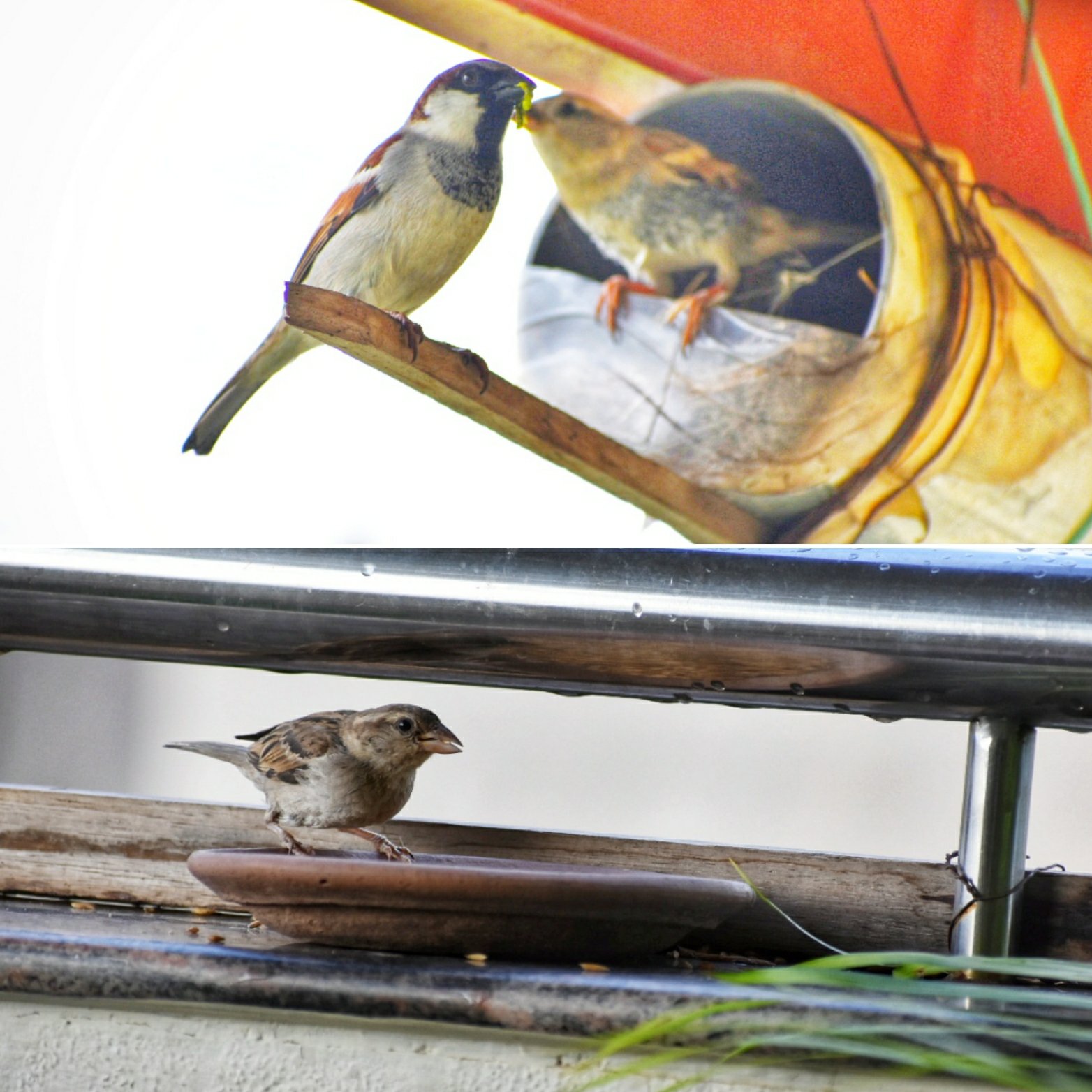
With very little vacant space available, my parents try to grow their own vegetables and fruits, welcome birds and squirrels to have meals with them and sip their ‘kaapi’ while watching the sun go down. These are some among many other things they do to keep themselves running through the day.

The sparrows in my portico

The area is soaked in rich history as well.. While the ‘Vasantha Vallabharaya swamy temple’ dates back to the Chola era, an adjacent cave is believed to be the place where Rishi Mandavya had meditated.

The Turahalli forest is a small patch of lung space nearby, that joggers, cyclists, conservationists and the realtors all seem to have an eye on!

The latest addition to the landmarks is ISKCON’s ‘Krishna Leela theme park’ located on the Vaikunta hill. The sunrises and rainbows on cloudy days are mesmerizing, adding a backdrop to the view of this temple from my doorstep.

Annual fair of Vasanthavallabha temple, Vasanthapura, Bangalore

This is the last post of this series: “I Belong to Everywhere“. I hope you all have enjoyed time travelling with me hopping on- and off from Bangalore to Kodagu. Which place did you like the most? What place would you want to go after reading my posts? What more do you want to know about, from these places?

I Belong to Everywhere: Napoklu

This is an attempt to bring back nostalgia. Continued from- “I Belong to Everywhere: Yelahanka

Napoklu is a small town located in Madikeri Taluk, in the northern part of Kodagu district. I have spent several memorable holidays here, living a high energy childhood. There are several places of interests for tourists and local pilgrimage that are centered around Napoklu. Some of them are ‘Sri Makki Sastavų temple’, ‘Chelavara waterfalls’ etc. The ‘puttari festival’ is one of the best and the most elaborate one celebrated by the Kodava clan native to Napoklu.

Puttari festival at Kolu Mand

If any of you find a tinge of madness in me, it is likely that it has been due to the influence of my cousin who hails from this town. He has been my closest friend as we both grew up together, roaming farms, fields and streams. On weekends when he didn’t come to our grandparents’ house in Madikeri, we would be roaming together, around the other places that are mentioned in this series of posts.

Although I have spoken about how I developed the awareness for conservation of wildlife in one of my earlier posts, but it is in Napoklu, that I originally imbibed the qualities of empathy for animals. Apart from the cattle, dogs and cats that I was surrounded with in Madikeri, my cousin had birds, fishes, tortoises, rabbits and poultry in his house. They shared a unique bond with him. While during the days, we caught dragonflies with aquarium nets, we chased fireflies at night and trapped them all together in empty glass jars to create a mini ecosystem of our own.

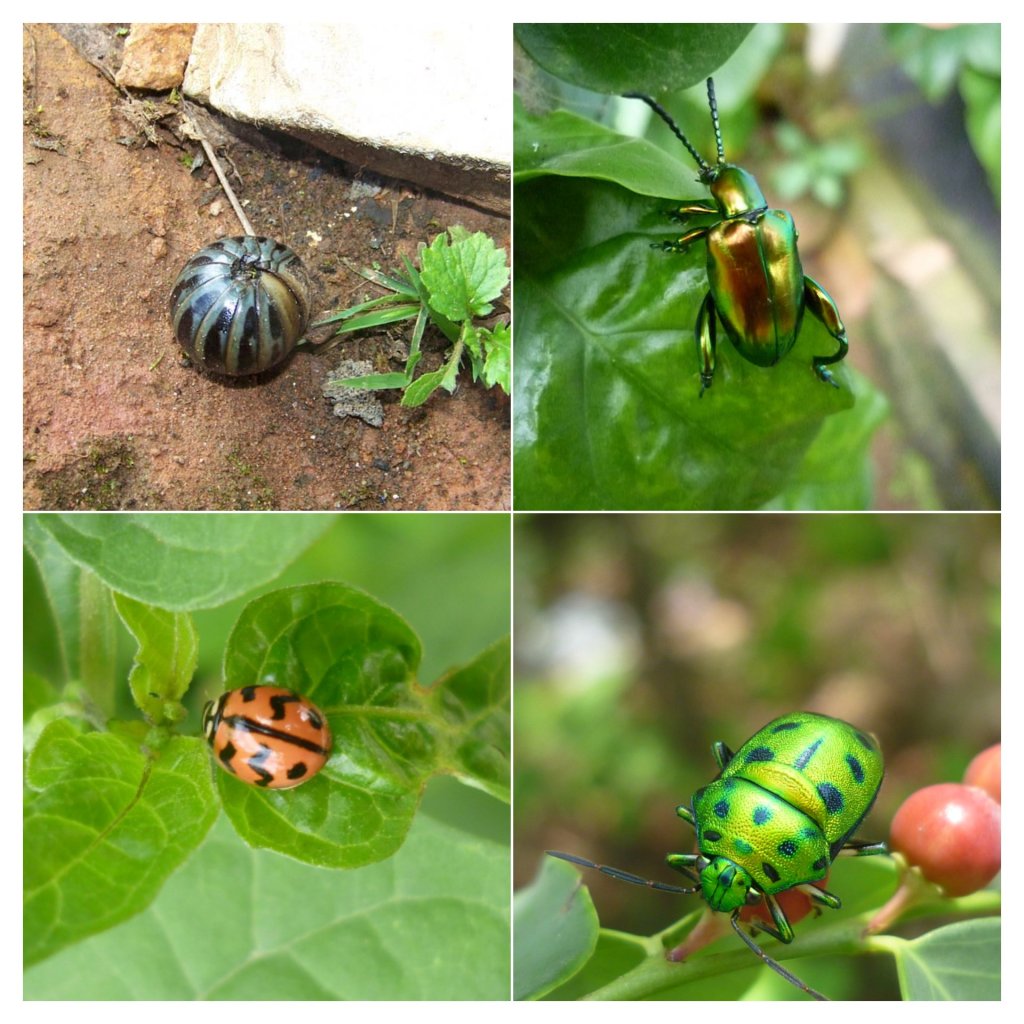
Beetles and ladybugs

If you wonder how I know some names of celebrities from across the globe, it is because we followed them. I watched Formula-One, WWF, Tennis and Cricket without missing a single match or a tournament, because the TV remote would always be with this guy and I had no option. The craziest automobile geek I had ever known, much until I became an automobile engineer and met a few other geeks along the way, was this cousin alone. We traded ‘trump cards’ and fought each other over the ownership rights of the rarest WWF and Cricket cards. We still hold back some of these treasured collections and often reminisce those good days of innocent fun. These are the same things that trigger little momentous joy to me even today and that which helps me spread positive energy.

To be continued as- “I Belong to Everywhere: Uttarahalli