Tag Archives: Temples of South India

The Mountains beckon in the Apple valley of India- Kinnaur

I wasn’t sure if solo-traveling would be safe in Chhattisgarh, the campsite wasn’t ready yet for a Gujarat trip, Rajasthan had the election around the corner albeit having the perfect weather, the public transportation system wasn’t convenient in Arunachal, Uttarakhand had unpredictable weather of late, Jammu was done just last year, Dharamshala stretch would be too mainstream, Lakshadweep was too short a trip for the time I had. Maybe I should just settle down with the Sahyadris in Maharashtra or sign up for a fortnight long yoga session at Rishikesh or a Yakshagana course at Mangalore perhaps! I had tele-travelled almost the whole of India to decide where I wanted to go. And then, this happened! Just 4 days before departure, the mountains beckoned and I had finally decided to visit the Kinnaur valley in Himachal Pradesh.

Click here to read the complete story, on Amazon

Nothing was clear to me apart from the to & fro flights to Delhi. People around me were busy and my vacations couldn’t wait, lest they be lapsed without pay or without use. Although not very keen on solo travelling, I think that’s how life threw itself upon me when I longed to go to the mountains! The mountains have always been kind to me and have had me meeting them regularly over the last 4 years. I don’t know the reason for this special bond I share with the mountains. May be because I come from a nature worshipping community, that my connection with them is so instant and strong. The mountains had me amidst them yet again. From being a shy kid at ice breaking in public gatherings to having done a complete solo backpacking in an off-season, to meeting and hanging out with strangers and making new friends from travels, my journeys have brought me a long way! The mountains have been kind and have protected me all the way…

Given that I would be alone and I get muscle cramps when the temperature drops, the one thing I had to make sure while planning my trip was to not push myself too hard to see too many places or do anything that could drain me out. Hence, I decided to do it one place at a time, plan my next destination only after reaching a place and move only when I felt like I had sunk in well in the current place. So that said and Kinnaur had me there! After I had reached Himachal, there was absolutely no fear of being a solo-women traveller and no worries over safety concerns at any point of time. The people were amazing who derive their strength from their deep values… From being stopped by random locals on the road and being offered the juiciest apples from the valley to eating local food and getting invited to houses for coffees, from befriending the locals and then to being invited to attend a traditional Kinnauri wedding, from waiting for the day’s only public bus or hitch a ride to having stuck in a place for 3 days without any electricity or transportation due to snowfall, from meditating in the millennium old monastery to confronting a mummified Llama in the mountains, from driving past a valley of green-rock-and-sand onward to having returned through the same valley painted white in snow, from being seen-off by a close friend at the trip start to I seeing-off a stranger at the end of the trip: Whoa! What a journey it was!

So, the route taken by me was: Delhi- Kalka- Shimla- Sangla- Rakcham- Chitkul- Sangla-  Reckong Peo- Kalpa- Nako- Geu- Tabo- Rampur- Sarahan- Shimla- Delhi. Some of the key destinations enroute and things I did were:

• The trip started with the ‘Himalayan queen’ train from Delhi and then I connected to the mountain railways from Kalka to Shimla, a part of the UNESCO World heritage. Stopping at several stations enroute, a ride in the loco thugging along the narrow-gauge through in-numerous tunnels and winding pathways in between the green pine laden cliffs and verdant hills was worth an experience.

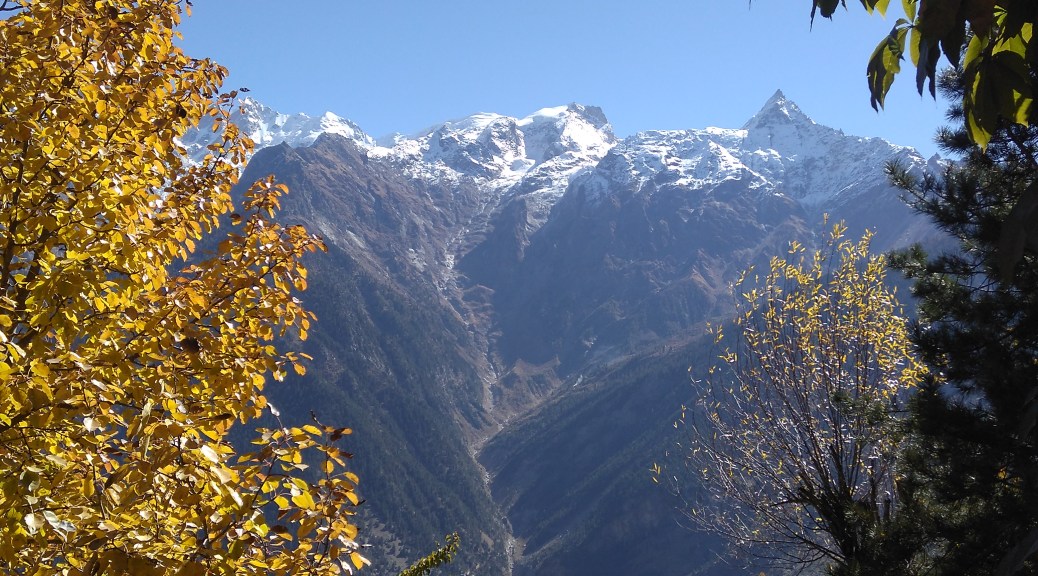
• The hustle of the desi music blasting at full volume had filled the atmosphere as the HPSRTC bus I boarded at Shimla cruised through thickets of sweet smelling Juniper and deodar. A solo snow laden peak emerged from amidst the green mountains. Call it layers of dew laden and mist covered hills, they sparkled as the sun’s early rays found their way forming several vibrant spectrums as the morning ride gave me the first glimpse of a horizon that had a never-ending line of snow-capped mountains.

• When the bus alighted at Sangla after making its way through steep gradient, blind corners and breath-takingly scary heights of the snaking roads, the sun was calling it a day. It had cast a golden red glow to the entire range of Kinnaur Kailash mountains. I couldn’t have asked for more as I stood there to be welcomed by this magnificent view right in front of the bus stand. The hike up the Kamru fort to catch the golden peaks up close was a cherry on the icing.

• The next day was an exhilarating bus ride through the Sangla valley, overlooked by the Kailash mountains on one side and the beloved untamed Baspa river flowing below. The ride was adventurous with waterfall and river crossing, cliff-hangers, landslides and occasional sightings of mountain goats or yaks. Quick stop-over at Batseri village painted in shades of crimson, chrome to ochre with the trees of apples, apricots and walnuts was a feast to the eyes. A walk down to the river at Rackcham helped me to connect with the Kinnauris with very warm conversations. They offered me a ride through apple orchards and buck wheat farms before meeting the sole Indian tricolour waving at Chitkul, a village bordering China & Tibet.

• The following morning, I started early to Kalpa- a quaint tiny village with old traditional houses amid the Kinnaur apple farms. A solo hike through the suicidal roads to Roughi village turned out to be special when a random dog decided to accompany me all the way. Again, the setting crimson sun cast its magical spell over the manifestations of Shiva and Parvathi seated conveniently in the Kinnaur Kailash mountains overlooking the village. With the chants from the Buddhist monastery next door and swaying prayer flags as I looked out of my window the next morning, I couldn’t have asked for a better start for my day.

• That day, I did a bit of shopping and grooving to traditional Kinnauri music with the locals at Reckong Peo, the ‘Gateway to Kinnaur valley’. It was the annual fair where people from all over the state had congregated to buy and sell local Agri-products and handicrafts apart from sipping the local apple brew. Packets of pine-nuts, dried apples and apricots along with the traditional Kinnauri hats were perfect souvenirs to take back before boarding the bus to my next destination.

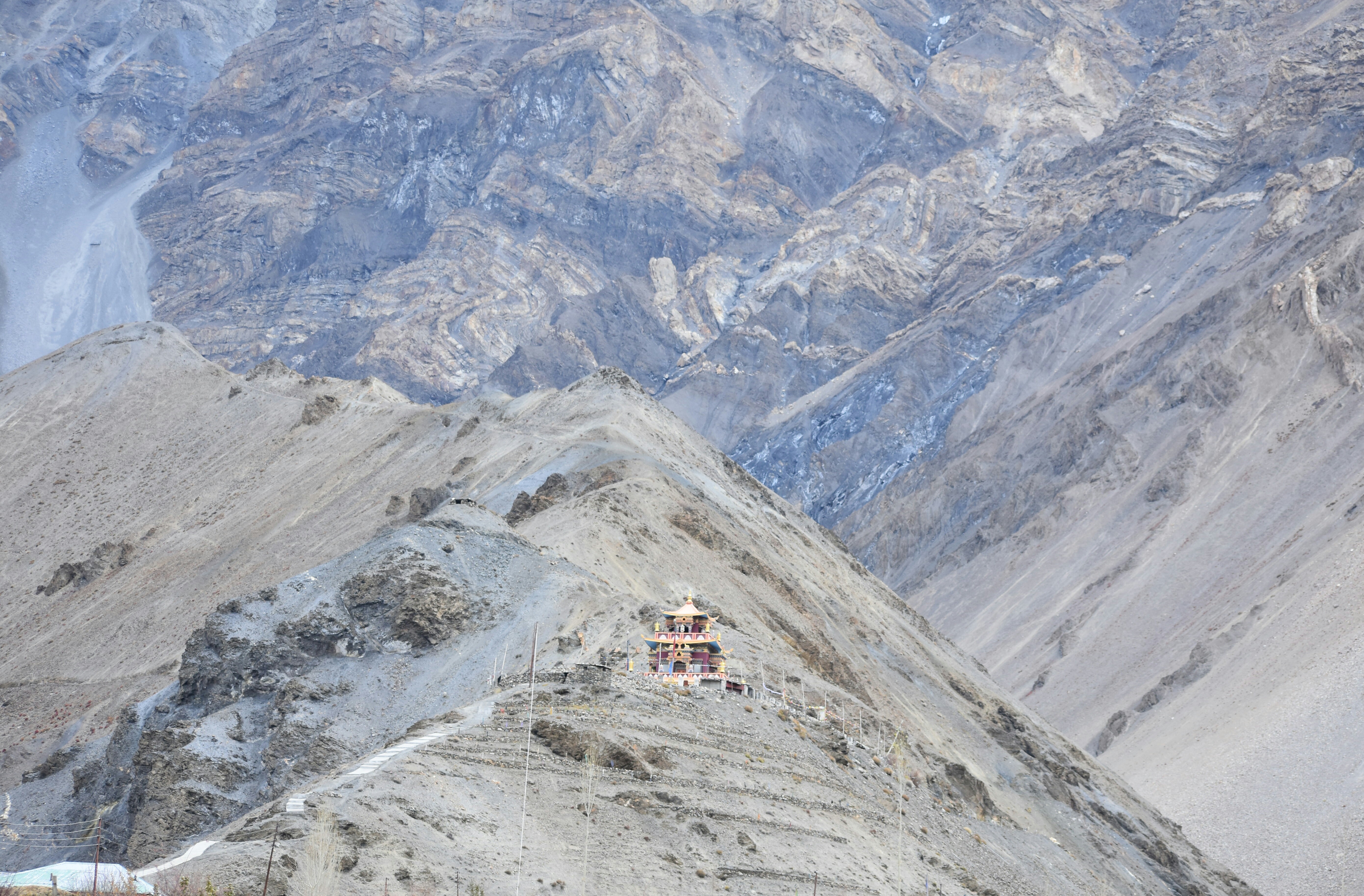
• This road is when the landscape starts to surprise you. The green canopies make way to steep rocky cliff-hangers. The on-going construction of the Karcham Wangtoo dam only warns you to be aware of shooting stones where landslides are as common as confronting vehicles from the opposite direction on the single-track road. And then, the Rocky mountains disappears suddenly making way for barren landscapes with sand and loose rock laden cliffs. The blue Sutlej river snaked between the valley and the view of the treacherous roads winding around the steep gradient hills was indeed a sight to behold! It was pitch dark and biting cold when I alighted at Nako, to check into a homestay under the clearest star-studded night’s sky.

• Although the weather had gotten more colder, it was one of the finest mornings so far. A walk around the village of Nako, with mud-smeared walls of houses built of wood and clay is one of the highlights of my entire trip. While strolling through those narrow walkways of the village, I felt as if I was exploring a maze. With the early morning vibes of a typical village with cattle roaming around, children walking down to schools, chants and incense from the ancient monastery rising in the dew laden air, it was an altogether different world there. The view of the distant snow-capped mountains and the barren winding landscape around had me spellbound for the rest of the day.

Next destination was Geu, a village that can be reached only if luck be by one’s side. Having no direct connectivity through public transportation, I waited on the highway hoping to hitch a ride to a place that is often cut-off due to landslides. It was wedding bells chiming in this tiny hamlet that day… I was fortunate, to say the least! A large family heading towards Geu not only obliged to offer me a ride in the trailer of their crowded goods carrier, they also invited me to be part of the celebrations. From being treated with the finest Kinnauri delicacies to dancing with the baraathies in a traditional mountain wedding, I could not ask for more. It was an all day and all night affair!

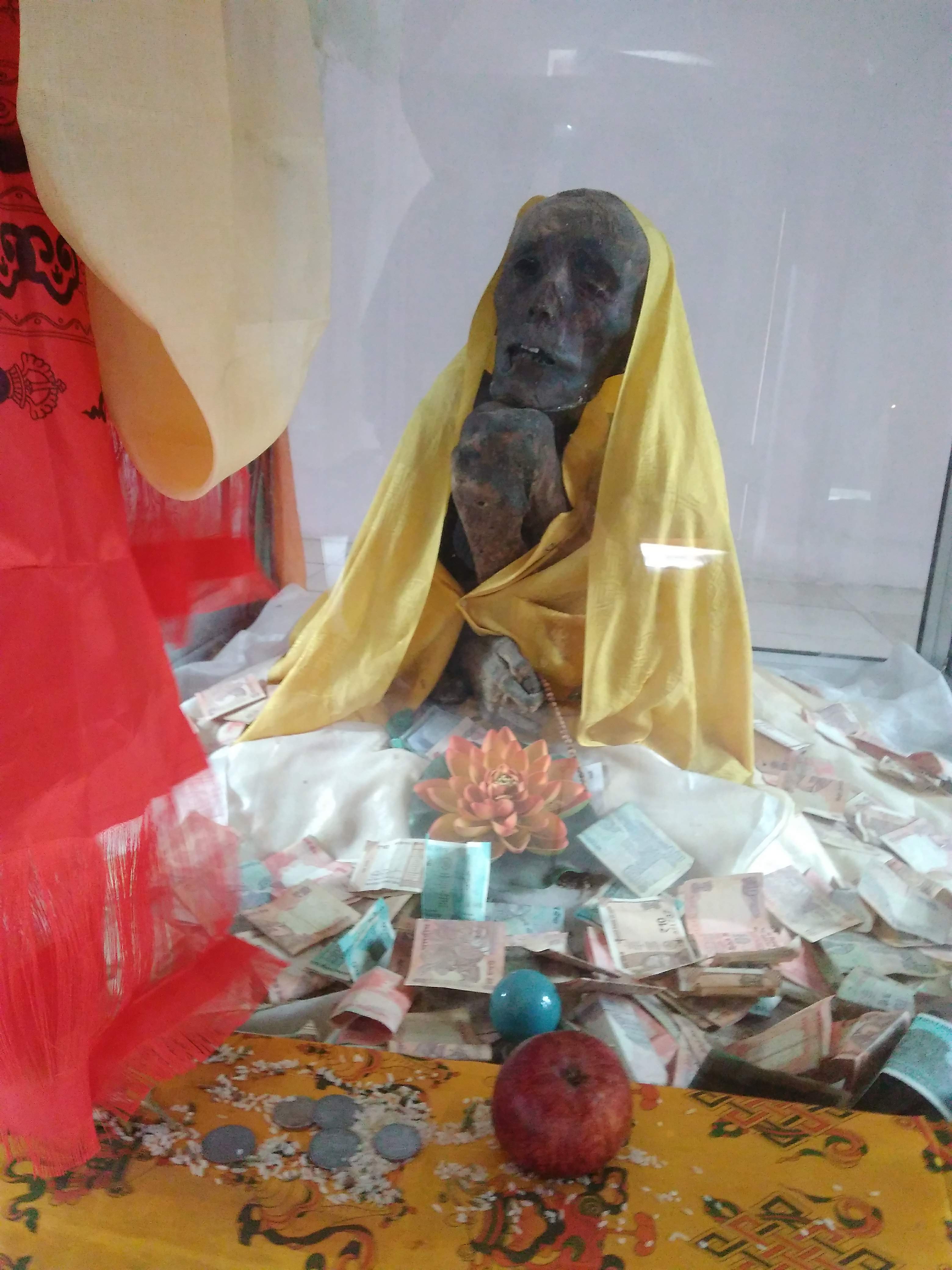
• I woke up in the biting cold next morning to hike up the hill and pay a visit to the mummy of a Buddhist monk, believed to be over a 500yrs old. Strangely, it has been there in open atmosphere without any chemicals and among the only few mummies available in India. Quick breakfast at the wedding house and I was good to head out by hitching another ride until Hurling.

• The weather had gotten worse that day with a forecast of precipitation by day end. As I waited at Hurling for my next ride, the guy making rotis at a hotel offered me a cup of free chai and got me a free drive with his customer to my next destination. With a loaded car and a person with a broken leg hanging out of the rear seat, the people who agreed to drop me were more than sweet to accommodate me in the front seat and they carry my backpack on their lap all the way in the rear seat.

• So then… Tabo happened! This was the place I had been looking forward to all the way. Considered to be one of the holiest places for the Tibetan Buddhists, I sunk into meditation mode for good few hours with the soothing fragrance of the Juniper interiors of this millennium old monastery constructed out of clay. It was BLISS and I can’t explain it further. The millennium old paintings all over its inner walls and roofs, the golden manuscripts were something incredible. Since artificial light sources are believed to damage the organic colours, I eagerly waited for specific time of the day for the sun to light up specific rooms to see this wonder. It is called the ‘Ajanta of the Himalayas’ for a reason, you see!

• The morning when I woke up, the mountains had moved closer to me with a heavy overnight snowfall. This was a sight to which the heart of a snow-deprived-south-Indian-city girl in me had skipped a beat. I had to extend my stay at this monastery due to heavy snowfall for next 2 days and with no electricity, phone connectivity and no plumbing that worked whatsoever, it was ‘THE” time! Amid all this, I had the rare opportunity to relish the Tabo apples (one of the best in the world) every day of what was being offered to the deity at the monastery.

• Finally, after getting my drive back to Shimla- I had plans to stop by at Rampur Bussahr to see the erstwhile palace and stay at Sarahan, one of the Shakthi peethas in the foothills of the Himalayas. But, the mountains had an altogether different itinerary for me for the last 3 days! So, thus was my sojourn in the Himalayas, the mighty incredible Himalayas!

Since Rohtang pass had closed by end of monsoon, I did only Kinnaur and half Spiti and returned the same way back (Although a little hectic with 3 days required only for travel, on the same route). If you are traveling in the summers, then you can start from Shimla and complete Spiti & Lahaul via Kaza and exit from Manali, thereby not repeating your route.

Summary: With the changing landscape throwing surprises at the wink of an eye, each mile was magic. The valleys were overwhelmingly beautiful! When the mountains beckon, just pack your junk and head out! The destination doesn’t count, the journey is worthwhile!

This article is featured in Deccan Herald’s Travel supplement: ‘DH Travel’ on 25-May-2019

Exploring the backwaters of Karnataka- Thonse

Although the places that I choose to write about may not stand a chance to be compared with the Sundarbans or the Pichavaram forests… None the less- The Arabian seacoast has its own share of beautiful places in terms of its mangrove creeks. And while Kerala is synonymous with its enchanting backwaters, Karnataka too has its fair share of backwater system which is still untouched and yet to be explored… Through my innumerous journeys in this coastal stretch, I don’t remember a time when I did not put my neck out to be tantalized by the view of the backwaters as I passed on those bridges that fall in between Mangalore and Udupi. So, this time I had set aside one weekend exclusively to explore these lesser known places of the west coast and mark myself in those remote places on the map-of-India.

My itinerary:
Friday: Start from Bangalore – Overnight bus journey to Udupi
Saturday: Kemmannu (Explore the backwaters in a traditional boat ride), Kodi bengre (explore the village and an estuary), Malpe beach (water sports), Krishna temple and the seven Mathas,
Sunday: Chill at Sasihitlu beach and estuary, Kapu beach & lighthouse, return to Bangalore by bus (You can alternate this with a day visit to St. Mary’s island)

The details:

First things first- Having good connectivity, taking the public transport to reach these places has its own experience, the way I enjoyed my trip. But I strongly recommend having your own vehicle to these places. Given the hassle of waiting for a ride, the remoteness of the place and the joy of riding through such a beautiful stretch of road be best enjoyed on a two-wheeler only. That said, my mother and I had reached Udupi by an overnight bus and stayed at a hotel close to the Krishna temple. We freshened up and headed to the service bus stand located at a walkable distance to the hotel.

IMG_20171209_130602.jpg
street leading to Kemmannu

The entire district of Udupi is dotted by innumerous temples and churches and hence, I prefer not to make a mention of them in this post. There is no dearth of local buses to any place within the coastal belt of Karnataka and hence, I relied totally on public transportation for my commutation. All set to explore Thonse, we boarded a bus that passed through Kallianpur village (This was once, a part of the Vijayanagara empire). The ruins of an old laterite fort stand testimony to that era.

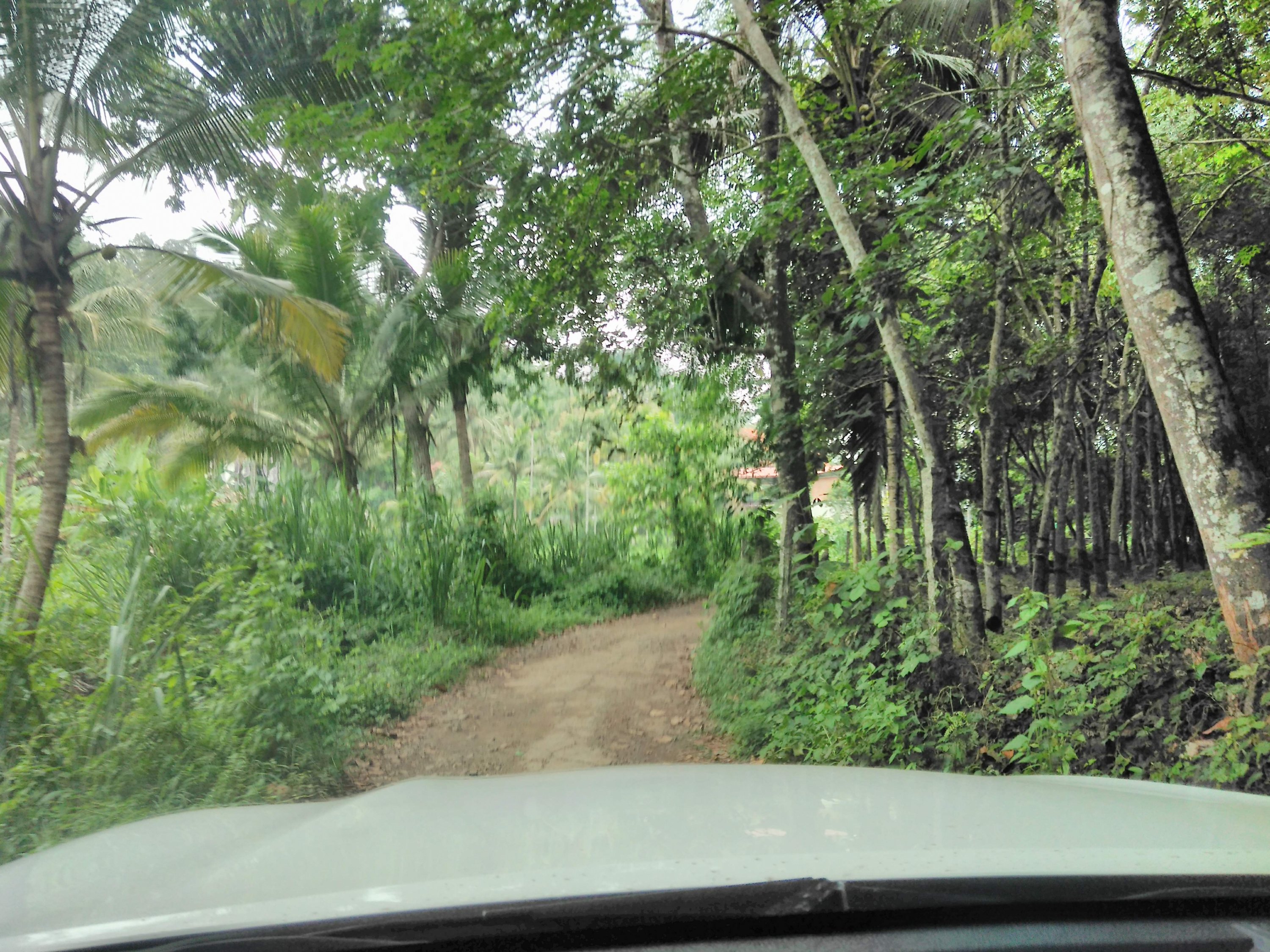
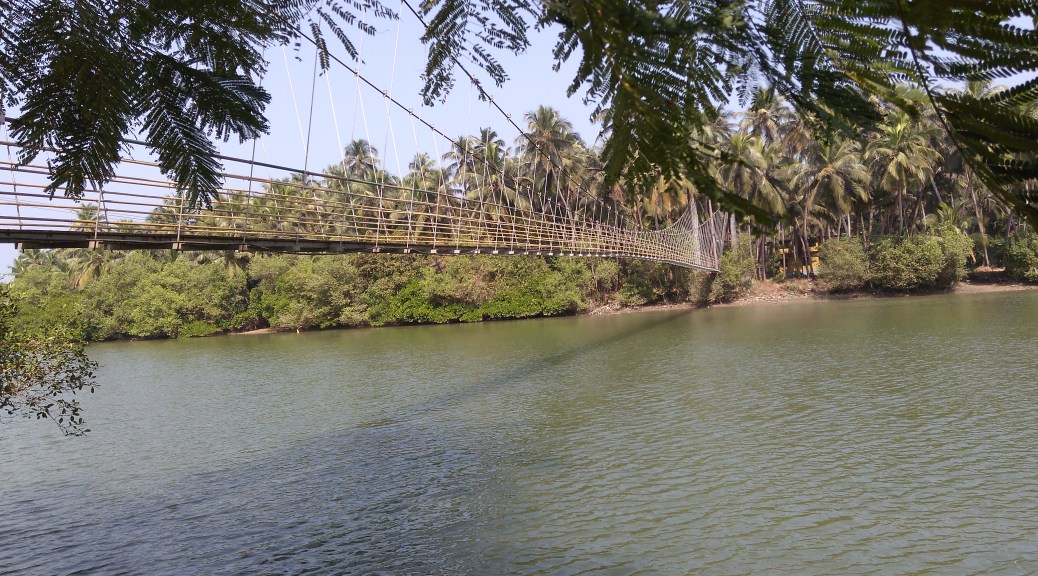
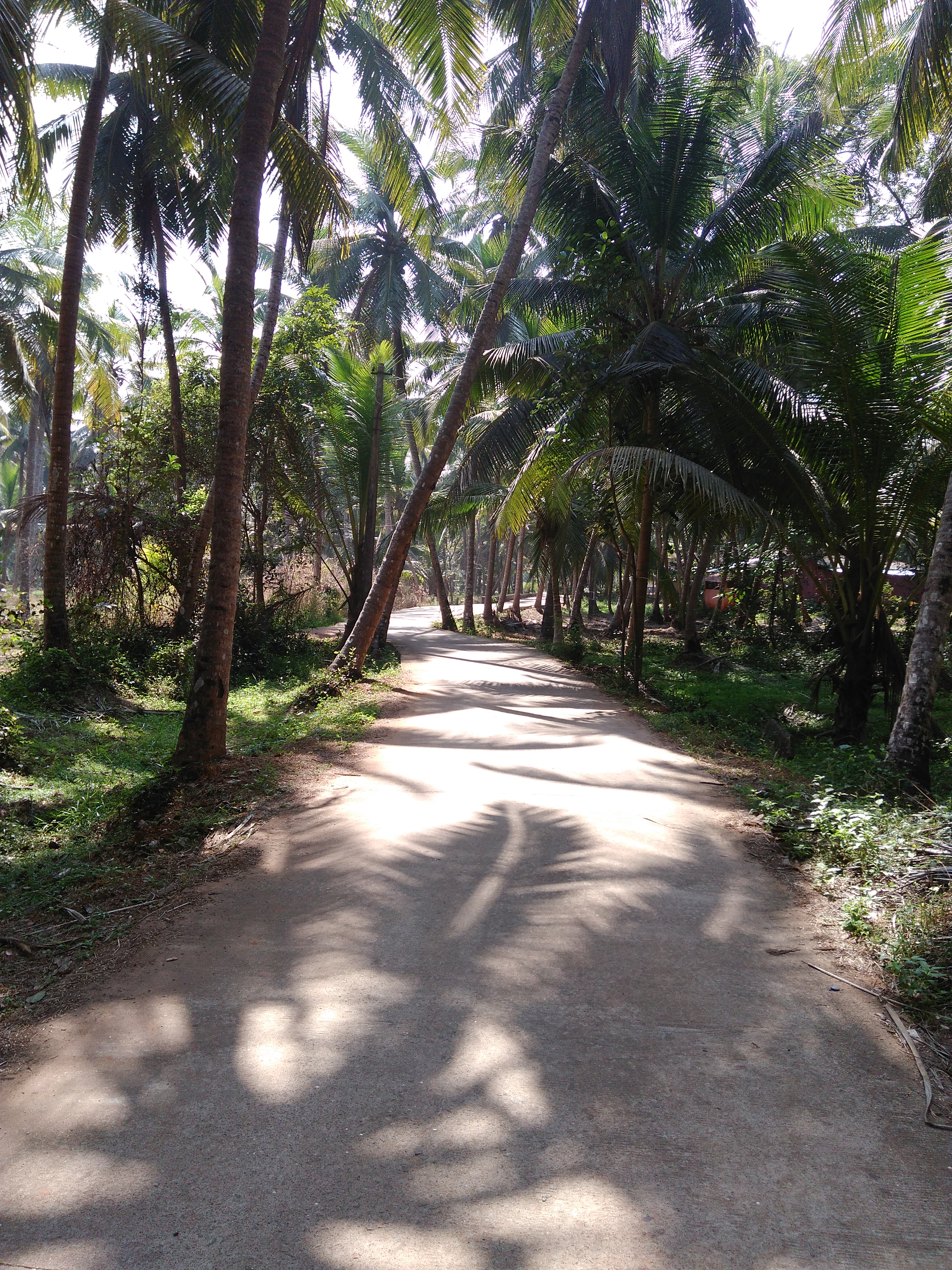
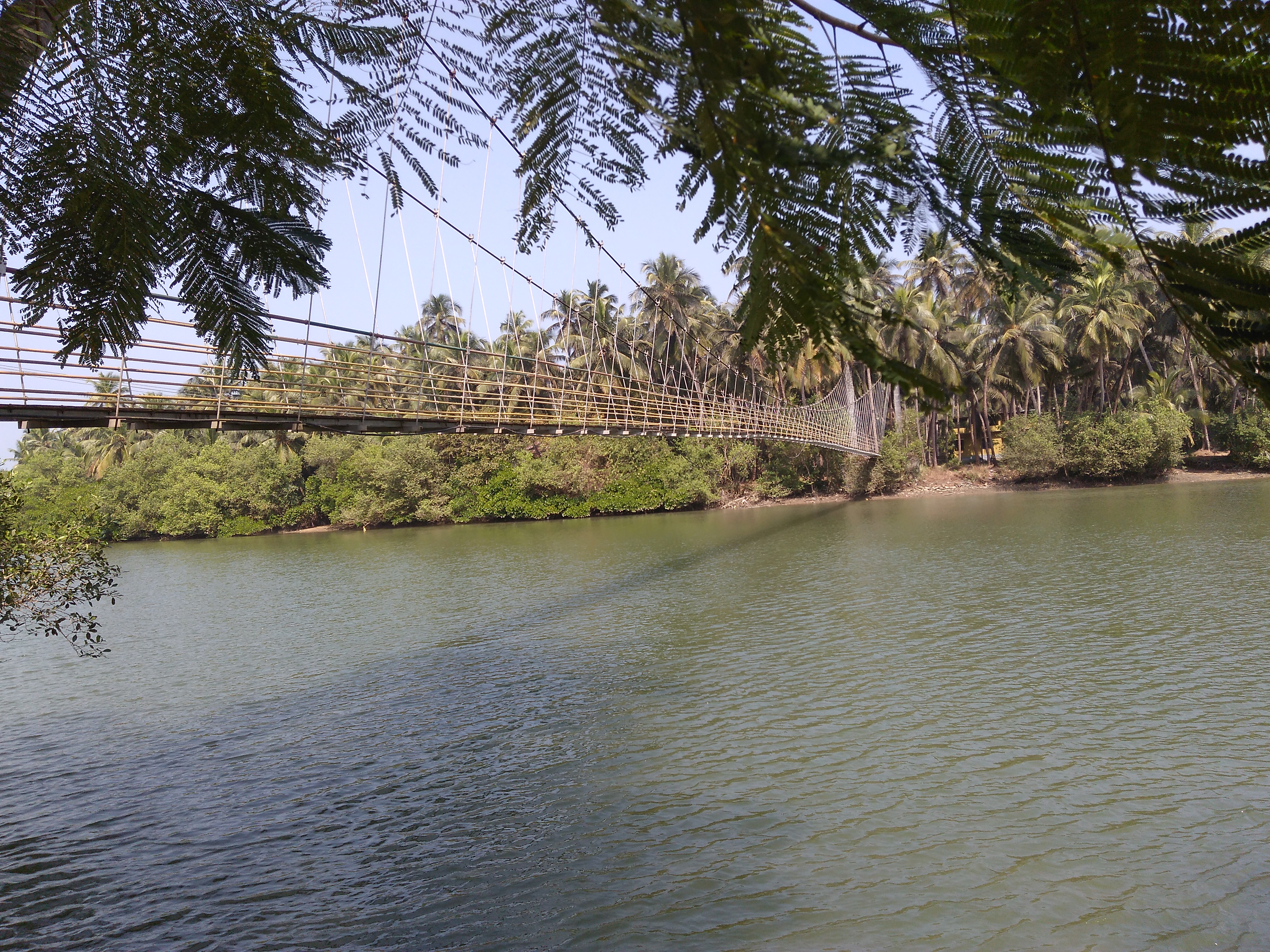
My first stop was at Kemmannu. A short walk on a meandering road through coconut plantations took me to a serene system of backwater canals connected to river Swarna. A suspension bridge has been laid across the river and set in an idyllic location of mangrove creeks. There was a boatman and his family living in a small house on the riverbank. When we enquired with the, they agreed to take us on a ride into the river for a fee. As our country boat set sail in the river, the oarsman suggested us to take a boat ride in the high tides either for sunrise or sunset. According to him, the delta beach would look brilliant at that time. He took us around several islets in the backwaters of river Swarna that gave us good sighting of rare birds. It was a very pleasant experience of sailing in the lap of nature, after having landed from the madness of the metropolis.

IMG_20171209_121635
The suspension bridge at Kemmannu

From there, we walked back to the main road to get a vehicle to our next destination. While we walked beside a broken bridge, something caught my attention near the harbored boats. There was something amusing happening down there at the canals. I felt as if I was witnessing a bioluminescent spectacle in daylight. The sight was something I had never seen before. On a closer look, I realized that the canal was filled endlessly with jelly fishes of various colors and sizes. After spending some time there video graphing the sight, we boarded the bus to our next destination- Kodi bengre.

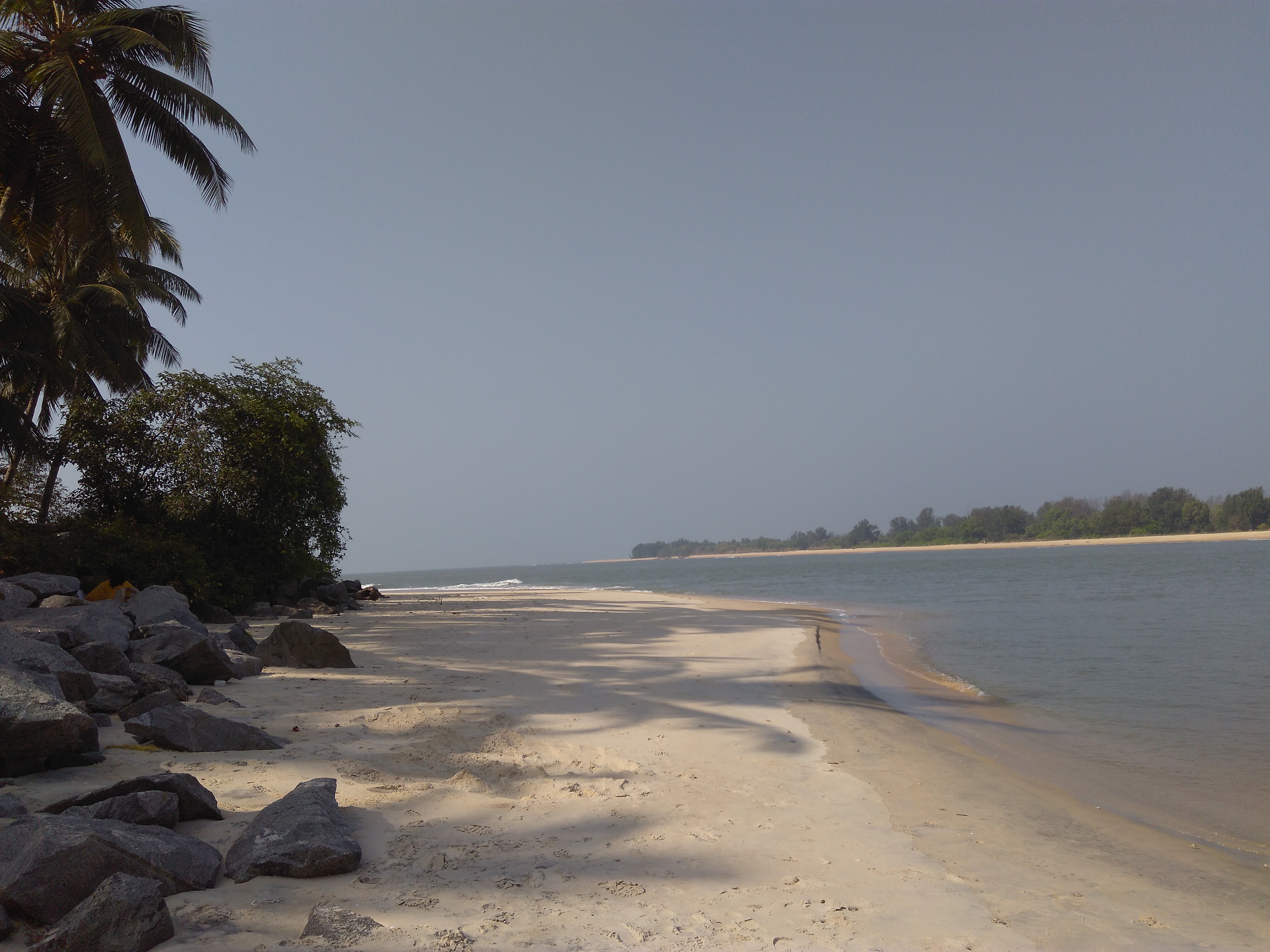
This small fishing hamlet is located on a narrow strip of land mass, placed geographically between river Swarna and the Arabian sea. While your heart will surely skip a beat at the first sight of the vastness of the sea at Hoodi beach, a deviation to the right is what we took. This road narrows into the village and gave us an experiential ride, right until the estuary at Bengre beach. The ‘tip of land’ is a great place for sunset viewing and enjoying the silence with the waves. The several shacks in the hamlet serves freshly caught sea food served spicy hot which is something not to be missed while you’re there!

IMG_20171209_143447.jpg
The Kodi Bengre beach

From there, we took a bus to the coast, on the other side of the junction (Hoodi beach) where we had taken a right deviation from. With a quick ride through country roads flanked with traditional sea facing mansions, we reached Malpe beach. This being a popular tourist place, it was bustling with activities including various water sports. We walked down to the fish market / port area, away from the crowd- and got a good sight of the setting sun.
There is a dedicated ferry service from the jetty to the Saint Mary’s Island for those seeking for a day trip which I personally recommend for anyone who is visiting this coastal town. It’s a great place and there is enough information available all over the net to get there… If you are driving your own vehicle, then I recommend you take the Pithrody route to reach back the Udupi town. This will complete your coastal stretch of Udupi giving you an experience of driving through yet another estuary and delta- that’s formed by river Udyavara and the Arabian sea.

You can complement your beach trip with a visit to the Krishna temple and the seven Mathas that are associated with the temple administration. Top it up with delectable Udupi chaats and the famous Gadbad ice-cream that saw its origin in this coastal town.

Tracing the abode of celestial congregation- Kollur

While I was flipping through old photos of my college days, I was taken back in time to this so-called ‘Industrial trip’. This class trip consisted of trekking, pilgrimage, beaching and lastly, not to forget our industrial visit (only If time permitted, that was!). Basically, it was less of industries and more of place hopping. So here goes the first part of the so called ‘Not-so-Industrial-Trip’.

Although I had walked for miles to reach places during my school days, this was my first ‘Official’ trek! A trek in the ‘Kodachadri hills’ in Malnad region of the western ghats.. After a really long bus journey, we alighted at the Nittoor forest checkpost late in the evening. We got the permits at the forest checkpost for the night’s camping ahead, at the old forest guesthouse. We parked our bus there and got into the 4WD jeeps that were waiting for us since early evening. There is NO road from Nittor to the guest house and is only a muddy pathway. And in monsoon, it makes way for a deep trench kinda massive slush pool. This stretch can be covered by various modes based on each person’s interest. You can walk up or drive or ride.. The more adventurous people choose the latter; cycling comes with the greatest challenge. We chose the safest- The 4WD. But, driving through such terrain calls for great skill of steering control, lest have at least 7-8 people thrown off the road. That said, it was a crazy drive up the hill, until we reached the guesthouse in the darkness of 10~11.00.p.m.

After reaching the guesthouse, we could barely stand because of the strong winds. So, you can only imagine our next task of pitching tents.. We called off the idea of camping under the moonlight as we struggled to even hold the tents firmly in our hands. The winds were so strong. That’s when we had to camp indoors, at the guesthouse 😛 We had only a roof above us and no mats or sleeping bags. So we decided to pitch the tents inside the guesthouse hall for the rest of the night.

We woke up early next morning and started our hike up the Kodachadri hill. Our hike mainly consisted of two target activities- one was to reach the Shankaracharya mantapa at the peak, for sunrise and the second was to take a shower in the Hidlumane waterfall. We did not hire a guide as the organisers claimed their familiarity with the route. The sight all the way till the mantapa was beautiful and the sunrise and the Arabian Sea at the distant horizon just added up to the view! The climb was great, giving us an eyeful of the valley that was in all bloom with colourful wild flowers. After a brief walk, we reached the Mantapa. After spending some time at the peak, we readied ourselves for the descent.

bye-bye-6
The Kodachadri hills- Overlooking the Arabian sea

The descend was towards the waterfall. With the descending gradient, we slipped, jumped down, clung onto wild creepers in the event of finding our way to the waterfall amidst the thicket of the forest. Somewhere, we had already started to realize that we were lost in the forest. The thumb rule of finding the way out of a forest is to follow a flowing water body. The organisers followed the sound of flowing water and we followed the organisers. We stopped by at a small cave like structure enroute, where someone had installed an idol of Lord Ganesha and offered some flowers. We prayed for our safe exit out of the forest and continued with our pursuit of the waterfall. So we finally reached at the source of the flowing water!

Sure it was a waterfall.. But ain’t the mighty one that we had thought it would be. It was a stream that was directed to a storage tank by the localites and the tank was overflowing forming a waterfall!! Neither the organisers nor the others knew how to react at our misadventurous pursuit. But we were all happy that we had found some pure water where we could fill our water bottles and ease ourselves out of the tiring hike that we had been through so far! We were now sure that the tank was there for a purpose and the pipe attached would lead us back to base point. And the descent continued, along the same stream to the base.

There is a small temple dedicated to Mookambika Devi at the base. It is believed to be the original temple that is tagged to the legend of Shankaracharya’s installation of the idol at Kollur. We reached the priest’s house near the temple where we had a simple-wholesome breakfast. After packing our stuffs from the guesthouse, it was time for us to head out to our next destination: Kollur.

morning-trek-34

A view of the Arabian sea from the Kodachadri peak

People who prefer to trek further, can cover the Agnitheertham waterfalls enroute to Kollur Mookambika temple. But, having had enough in the quest of a waterfall, we decided to take the bus route. The bumpy drive continued until we reached Kollur, the small temple town known for the Mookambika temple, one of the Shakti peethas. This temple is said to have been developed by the Keladi rulers later in time so that pilgrims don’t have to trek up the overlooking Kodachadri hills to worship the goddess. Another legend has it that Lord Shiva appeared before Sage Kola and agreed to be present there in the form of Linga with his consort Devi. Along with Shiva and Parvathi, all other gods and goddesses are believed to be residing in a non-form in the Linga. Hence, Kollur is referred as ‘an abode of the entire celestial congregation’. We took a little time to offer our prayers and admire this beautiful little temple built in the typical Kerala style of architecture. Post that, we proceeded to the forest guest house where we had our stay booked for the night.

7th-morning-6
The forest guesthouse

The forest guest house is located in a serene location in the middle of the ‘Mookambika wildlife sanctuary’ and on the banks of river Sowparnika. With banks I mean, just a couple of steps lie in between the guesthouse and the river. This river is frequented by spotted deers & leopards to drink water. And we were told that just the previous morning, a tiger was spotted on the same steps that we were standing on, at that time! The river flowed gracefully with the crystal clear water and the school of fishes enjoying their swim in between the tree roots that grew beneath. It was a SPECIAL place to go back again indeed! We cherished every moment of our stay there while being in harmony with nature in its purest form.

mookambika-temple-8
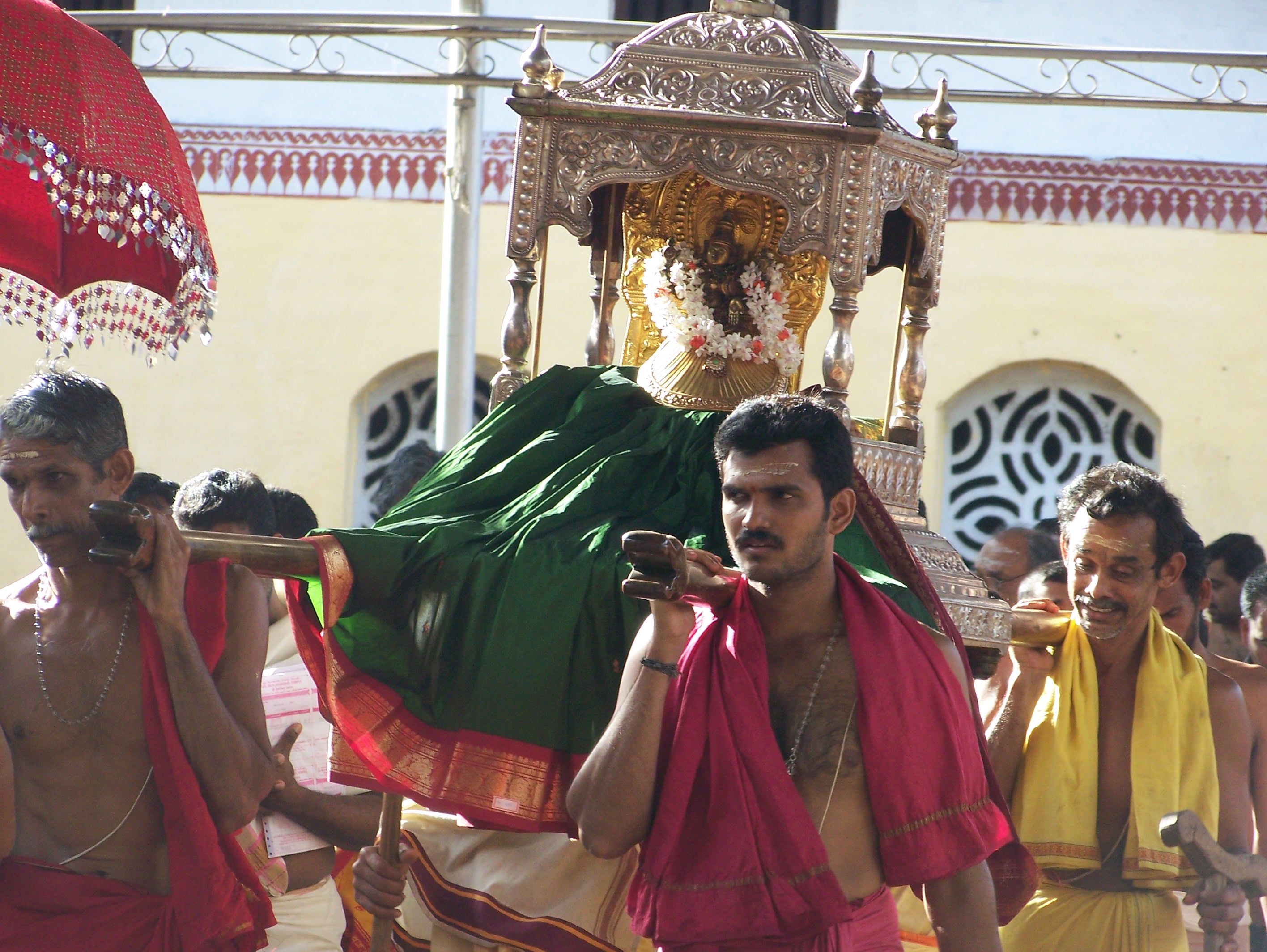
The Idol of Mookambika being taken out as a part of the daily ritual

Soon, the dawn broke the next morning awakening us to another day reminding us of our journey to the next destination- Bhadravathi. It was the last day of our tour and that meant we had to do the most important part of this trip ‘Our Industrial visit’! That’s for another story altogether…

Kanchipuram- Beyond its sarees

The first thing that hits your mind when you hear this city’s name is its Silk sarees. The Kanjeevaram or Kanchi silk sarees define a sense of style, gorgeousness, elegance, classy and royalty. But what goes rather unnoticed is the fact that Kanchipuram is also called a ‘City of temples’. Despite being the erstwhile capital of the Pallavas, the influences of Pandyas, Cholas, Hoysalas, and Vijayanagaras can also be significantly observed in the artistic structures constructed across the city. Also, it is noteworthy that the influences in temple architecture are across different sects of faith. The City of Kanchi can be broadly classified into three- Shiva Kanchi-the holy land of the Shaivaites, the Vishnu Kanchi- the holy land of the Vaishnavaites and the Jaina Kanchi- the holy land of the Jains. Kanchipuram is known to be a land of 108 ancient temples, all unique in their own way. Beyond its world-famous handloom, the sculptures, architecture, classical dance, music and all those traditional art forms of Kanchi puts up the city high up on centers of history and heritage on the map of India. That’s why I like to call Kanchipuram as ‘an abode of the trio- Art, culture and history’.

When my mom planned to buy some drapes from the local weavers of Kanchi, I chanced upon the opportunity to explore this city, beyond its sarees and handlooms. Obviously, one day wouldn’t be sufficient if I had to visit each of these 108 temples, and hence, I made a list of 10 temples based on their mythological importance. Given that I’m mostly a public transport-dependent creature, the ease of commutation was also a factor considered while making my list. We boarded an overnight bus from Bangalore to Kanchipuram.

As we alighted at the Kanchipuram bus terminus, we were greeted by the drizzling rain. Usually, the autorickshaws work this way in this city. You tell them the purpose of your visit, and they will plan and handle the entire itinerary for you. Thus, we hired an autorickshaw and that sorted our transportation for the entire duration of our visit around the city. Our auto driver took us to a travellers’ dormitory where we freshened up quickly and then headed to the first temple on my list.

1. Kanchi Kamakshiamman temple: The timing of our visit was important and we wanted to reach there before sunrise. This is one of the Shakthi peethas in India. The prayers in all other temples in Kanchi starts only after prayers are offered here. Unlike any other temples in India, the first pooja to the presiding deity is offered by an elephant and a cow in the sanctum here. The positive energy we felt in witnessing the ritual was enough to keep us going for at least another week.

The entrance of Kanchi Kamakshiamman temple

2. Next up was a quick visit to Adi Kanchi temple, a relatively smaller of the 3 main temples dedicated to Parvathi in Kanchi. But this place is considered a must if one is on a pilgrimage in Kanchipuram.

3. Adjacent to the Adi Kanchi temple is the Kumarakottam- Murugan Swami temple. It is believed that Lord Bramha was imprisoned by Murugan at this place and later released with Shiva’s interference. The temple is known for the idol in the Soma Skanda posture.

4. Ekambareshwara temple: This is the biggest temple in the city. I’d need a separate post altogether to write about the significance of this temple alone. But the primary reason for me to include this temple in my itinerary is the fact that this is one of the Panchabhuta sthalas of Shiva’s manifestations. The linga here is made up of sand and hence represents Prithvi or the element ‘Earth’. This majestic temple complex houses a very sacred mango tree at its centre, whose 4 branches are believed to represent the 4 Vedas that give its name to the temple. Each branch bears mangoes of four different tastes(sweet, sour, bitter, and spicy) in the 4 seasons. The special souvenir that I take back from Kanchi was not a saree, but a priceless green leaf that withered off from this holy tree right there, as if the tree was communicating with me.. I was quick to pick it up and wrap it carefully to be kept in my handbag.

Under the mango tree at the Ekambareshwara temple

5. Next was the Varadaraja Perumal temple. We had to stand in a really long queue to get a glimpse of the main deity seated atop the elephant hill. As if this wasn’t enough, another long queue to get to touch the sculptures of the holy lizards. These metal lizards are believed to have been installed by lord Indra after he was released from the curse by Goddess Saraswati. It is also believed that people who touch these 2 lizard sculptures (the Golden lizard representing the sun and the silver lizard representing the moon) will be relieved of all sins that are associated with lizards. Another specialty of this temple is the fact that the wooden idol of lord Vishnu is kept deep down inside a 3 tiered well that in turn is in between a large pond at the temple entrance. The idol is taken out only once in 40 years for pooja offerings. (The latest festival was held in 2019.) I would recommend you to hire a guide at this complex so that you can get a better insight into the intricacies of the ornate pillars adorning a 100-pillared hall. You can find sculptures of vivid yogic postures, representations of the usage of arms and ammunitions in ancient battles, musical pillars, etc., which explains the rich heritage of Indian art, history, and science.

A mural at Varadaraja Perumal temple

Thus, with Kamakshiamman temple, Ekambareshwar temple, and the Varadaraja Perumal temple, we had completed the mumurthivasam- or the abode of the trio in Kanchipuram.

6. Just a few meters away from there is the Ulagalandar temple, primarily constructed by the Cholas. Here, Vishnu is celebrated in his Trivikrama pose or the Vamana Avatar. The main idol is a massive 30+ feet tall, and the devotees can see only the legs of the Vamana moorthi. The temple itself is small but an important one for pilgrims on the Divyadesams circuit.

7. Further from here is the Kacchappa Eshwarar temple. Here, Vishnu is seen in his Kuruma avatar or the Tortoise form, worshipping Lord Shiva.

8. We did a quick stopover at Vaikunta Perumal temple or the Tiruparameshwara Vinnagaram, another among the 108 divyadesams. The temple houses lord Vishnu in 3 different postures- sitting, lying, and standing. The corridors are decorated with fine carvings from the Ramayana and Mahabharata, and fine stone pillars around the sanctum.

9. The Kailasanathar temple needs a special mention. This temple, dating back to the Pallava period, is located slightly on the outskirts and hence away from the regular tourist/pilgrim circuit. It is an entire complex of intricate artwork sculpted on limestone. Although a board claims it to be a protected monument, most of the statues have eroded over time and need maintenance. Yet, this place has a very powerful force to draw art lovers and travelers looking for an offbeat experience. One really needs to spend a lot of time here to appreciate the intricacies with which legends and mythological episodes have been carved out. Don’t miss spotting the statue of laughing Parvathi and Shiva performing the thandava here.

The Kailasanathar temple

10. There is also the Vijayaraghava Perumal temple at about 7kms from the city center. It is one of the 108 divyadesams of Rama, where he is believed to have performed the funeral rites of Jatayu, the vulture friend. Since the vulture(Pul) was buried in a pit(Kuli), this place is also called Thiruputkuli.

Not only is Hinduism, but the city is an important place for the Jains too.. Bonus for your temple tour, if you have some more time left. You can include the Trilokyanatha & Chandraprabha twin temples dedicated to lord Mahaveer at Tirupparuthikkundram. It has inscriptions belonging to Pallavas, Cholas, and the Vijayanagara period. I’m told that the place houses beautiful paintings of these periods but lies in utter neglect. The place is frequented by fewer tourists and more vandals, gamblers, and hawkers.

Enroute, we passed through ‘Kanchi Kudil’- an old traditional house that has now been converted to a museum that exhibits the rich Tamilian tradition.

But well, Saree shopping was why the entire visit to Kanchipuram was planned in the first place. Hence off we were, on a handloom circuit. Our driver took us through the narrow bylanes of Kanchi to some of the finest weavers and their handloom workshops. A spectrum of colours, heavy brocades, golden zaris, heavy pattu sarees… we were spoilt for choice… We thanked our driver, Mr.Ravi, heartily for taking us around the city and bearing with us so patiently as we hopped from one shop to another. We picked up some beautiful sarees in silk and cotton and returned to Bangalore in an evening bus.

Thus, ended an eventful weekend…. 🙂

A Not so Blissful Trip to the City of Eternal Bliss- Chidambaram

This trip was part of a backpacking by my brother and me with an original itinerary to cover Bangalore- Kumbakonam – Gangaikondacholapuram – Chidambaram – Pichavaram – Pondicherry – Tiruvannamalai – Bangalore

As per this, we left Bangalore on a Sunday night in a bus and decided to explore further at our own pace, using public transport and staying at places with bookings made on the go. Plan was all set. But well, with a small glitch. We assumed that the monsoon season was the same in the entire southern India. But what we hadn’t taken into consideration was the fact that Tamil Nadu doesn’t come under the south-western monsoon. Hence, the monsoon peaks (with north-east winds) after the season ends in its neighboring states. So, we were now on an exploration of Tamil Nadu in October, during the peak of its monsoon season! Anyway, with its share of travel miseries, poor planning gave us the benefit of experiencing a different kind of backpacking.

Firstly, we explored Kumbakonam, a place which is often spoken less about on a typical tourist’s circuit. It was a wonderful experience to explore a place that is soaked in history and RICH architectural heritage, mostly from the Chola era. (This is elaborated in a separate post, click here to read). From Kumbakonam, our next planned destination for a major halt was the place that’s is often referred as ‘a city of eternal bliss’. But our experience was as unblissful as it could get, even as we wished to get a glimpse of the deity of a temple whose manifestation is revered to be as one of the five elements of life- ‘Space’. I would like to elaborate this trip for my readers to get a wholesome idea of our visit to this city was like for us!

With incessant rains, our mobile-phone network had been patchy. On day 2 at Kumbakonam, we received a call from our parents who had been trying to get in touch with us since the previous night. They informed us about the alert issued by the Met. Department. We checked online and confirmed the news about the weather forecast of cyclone- Roanu and a deep depression in the Bay of Bengal. We were asked not to venture near the seacoast. Our intended trip itself was supposed to be along the Coromandel coast- including Cuddalore and Pondicherry. Since the day was bright, we did not take our Met.dept. seriously and decided to take a chance by continuing with the plan from Kumbakonam.

With a visit to the Brihadeeshwara temple at Gangaikondacholapuram (another of the three living Chola temples), we boarded a bus to Mannarkudi. From Mannarkudi, we were supposed to take another bus towards our next planned destination: Chidambaram. However, the conductor informed us that the road beyond Mannarkudi was blocked since the previous night due to an uprooted tree. Although the tree was cleared, he wasn’t sure if the route was worthy for us to go. Without really understanding the seriousness of his advice, we boarded an overly priced private bus which ferried us to Chidambaram. Our road was flanked by the Kollidam until most stretch. Last time we had seen this part of the state was with our family, during our quest to see the end of river Kaveri. The dam was empty and dry back then. Today, she was flowing in full spate and the Grand Anicut was filled till its maximum limit. Kaveri looked beautiful with her brown waters reflecting back the sun rays that sneaked from amid the thick grey clouds. That was the point from where, the real saga of our road trip started.

As we covered a little distance ahead of the dam, the river began to touch the road around the corners at most turns. Gradually, the river started to spill over the road at some stretches. Instead of plying on the road, it seemed like our bus was driving over the river at these junctions. Further into the journey, the water level increased. Several stretches (in kilometers) of the road was submerged by the river. Our driver was a real super star- who could figure out exactly where the road laid in the ground in spite of the water being above the tire height. Even a slight slip in the road only meant death and nothing less. The entire bus with about 25-30 passengers could have been washed away by the currents of the spiteful river. I had only seen such things in the news. Now I was right there, experiencing a flood scene, firsthand.

The flooded villages enroute to Chidambaram

Stretches of villages laid submerged ahead. At some places, the thatched roofs and the hay huts had given away. We could see utensils floating around on the road, helpless villagers wading across the (once existent) streets, even as the flood water stayed above their waist level. Their plight was heart rendering to see, even as the rest of us inside the bus continued to wonder if we were going to see a safe arrival at our destination at all. The rain of just one night had wreaked so much havoc across the state of Tamil Nadu. However, our driver remained focused and drove us across to reach the safe harbor at Chidambaram by around 03.00.p.m.

My brother and I decided to drop the luggage at the hotel which we had booked online and find some food for ourselves. We hadn’t eaten anything since that morning. On arrival at the hotel, we were a little perplexed to see our room. The bedsheets looked extremely old, torn and dirty. The bathroom was a disaster. The toilet floor was covered with a thick layer of algae, slush and mud, all that had accumulated over years without washing it. The flush lever was broken, the taps rusted and a crazy layer of deposits on the bucket and the mug. The nasty smell of alcohol hit our noses from outside through the opened door even as we continued to feel suffocated inside that room. My brother and I looked at each other’s face- and both of us knew what was running in each other’s mind. In spite of being exhausted and hungry, we decided to leave the place and find some other place to stay. Just when we started to descend the stairs and as if the injury (of finding a bad room online) wasn’t enough, I happened to step on a large mess of barf, thrown up by some drunkard on the stairs and slip down a couple of steps.

Until this moment of our day, I had managed to keep my calm, but my brother gave up. He wanted to end the trip right there and return to Bangalore. While he found no buses that would leave Chidambaram immediately to Bangalore, I managed to convince him to stay calm until we boarded a night bus at least. I found a place near the ‘Nataraja temple’ where I could clean myself and headed to get the darshan of the lord. The visit was peaceful, maybe I will write about in another post someday.

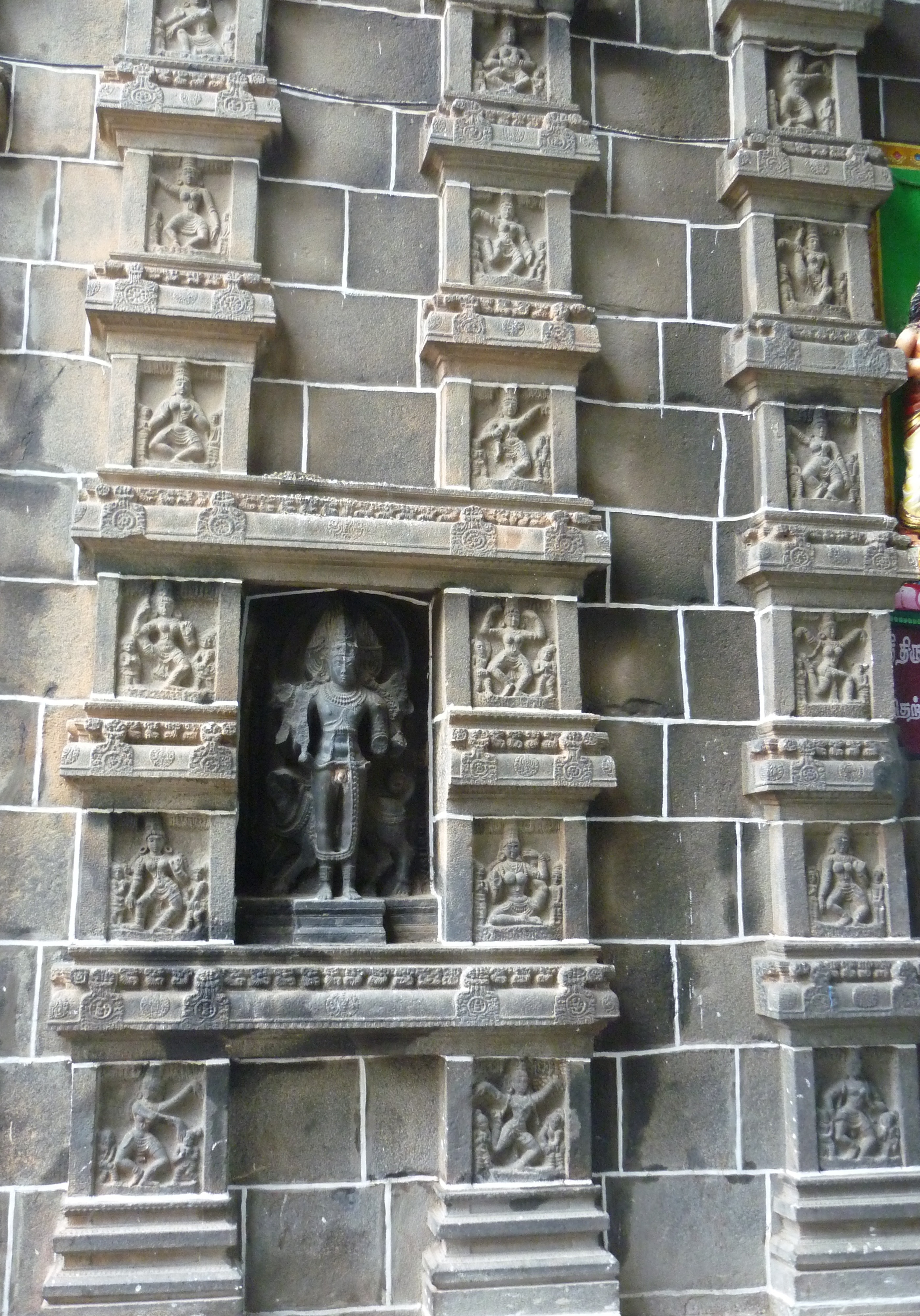
The Bharatanatyam postures sculpted on the walls of the west-tower of the temple

After finishing the evening prayers, my brother booked our tickets to Bangalore for the same night. Since my holidays were still not over, somewhere deep in my mind, I still wanted to complete my trip. I didn’t want one bad experience of the day ruin the entire holiday for us. But, given the weather condition further ahead in our planned route, I couldn’t rule out my apprehensions of getting stranded in the cyclone at Pondicherry as well.

But right now, our priority was different. We had been starving since morning and had to find something to fill our stomach. In spite of walking the WHOLE of Chidambaram town, we couldn’t locate a single place where we could find food. Thanks to the day of Deepawali festival- there were absolutely NO eateries open! Also, the entire town was SOO DIRTY with garbage littered everywhere. After a long search, we finally found ONE supermarket in the entire town. And what did we get to eat there? Just a cup of sweet corn to sate our hungry bodies.
Our city woes did not end after eating the steamed corn. It was still 07.00.p.m and we had three hours more to kill. On enquiring with a few locals, we were told that we would find a decent restaurant near the bus stand. And so as per the recommendations of the local people, we found this AC luxury restaurant called ‘Vandayar- Southern Spice’.

When we arrived there, the waiter informed us that they served only fried rice for the day. The waiter came to our table thrice to take our order (for the only dish available) and after two hours of waiting for food, there arrived a convoy of VIP customers at the restaurant. Bonus for waiting: A feast was set for this VIP family that comprised of all dishes from the menu. Even while all the tables were occupied with middle-class customers including my brother and me, there was no one from the restaurant that cared for our existence that day. Wondering if we were waiting for any free food to be served at 09.00.p.m. several customers grew furious and started to walk out of the restaurant. It was also time for us to board our bus. As we too walked out of this VIP restaurant, there was power cut in the town.

In a dark and dingy bus-stand, we spotted the only stall that served tea and some biscuits. The little candlelight was just enough for the tea-stall guy to reach out to things in his kiosk. We were essentially scared of stamping some more muck that could’ve been laid in the littered path. As we dunked the last biscuit into our chai, we had yet another surprise for us. Our bus to Bangalore was delayed by 2 hrs.!!! As we waited there in the dark platform of the bus stand, some drunk men started to throw glass bottles at the crowd there. Luckily no one was injured, but the downpour of bottles and splatter of glass pieces continued for a while. Our bus arrived after a while and we boarded at 10.00.p.m.

With all the crazy stuff that happened that day, we fell asleep quickly… Only to be woken up at sunrise. That’s when the rain was battering outside, and our bus had broken down on the highway. Although we were given an alternate bus in a while, our anxiety continued until we reached home.

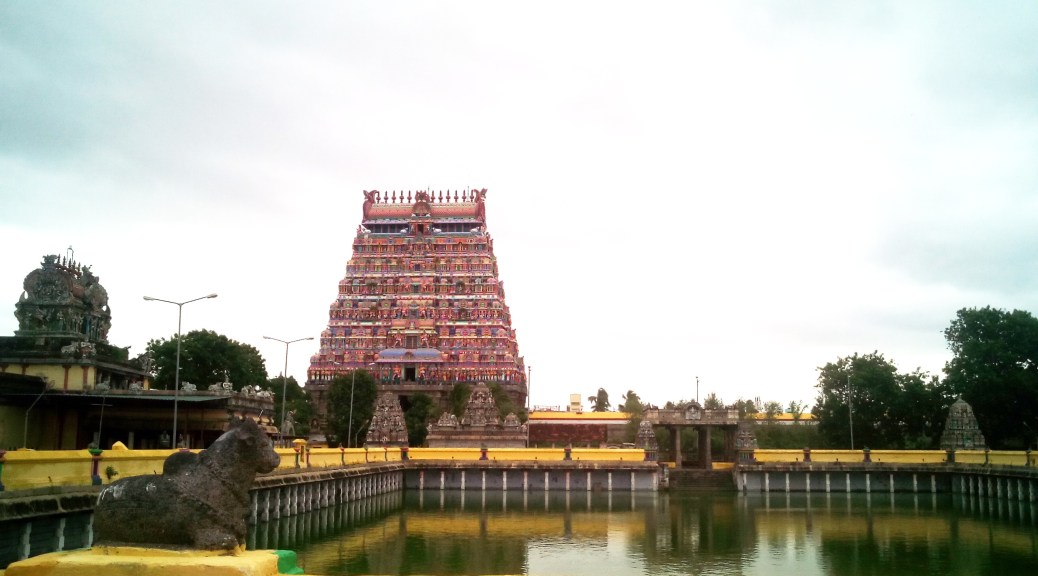
The temple Gopuram at Chidambaram Nataraja temple

Conclusion Remarks: The people on the east coast are god’s chosen ones to have a grand celebration of festivals. Tsunami for Christmas. Cyclones for Diwali…!! One cannot sit in a place, hear stories and imagine of places and people. You need to move yourself to places to experience and explore. This trip was one such experiences where I got a first had experience of braving a flood and starvation of food. Also, this is a trip where I managed to find a place in India that I wouldn’t want to return.

Backwaters and boat races at Alleppey

It was the 2nd Friday of August 2012, a day before the Biiigg sporting event of South India: “The Nehru trophy boat race”. After a long haul of planning, two of my friends and I had alighted at our destination- Allapuzha, a popular little town on a tourist circuit in Kerala. Fondly known as Alleppey, we were there to experience the festivities of ‘The Olympics of Kuttanad’- Vallamkali or the boat race. The Nehru trophy boat race is an annual event held in the Vembanad lake, in the Kuttanad region of Kerala. Vembanad lake is the longest lake in India and spans across several districts of Kerala. Depending on the region, the lake is known by different names. It is called as the Punnamada Lake here in Kuttana, of which Alleppey is a part. Along with the boat race, we wanted to explore the backwaters that’s a popular haunt of the tourists in this region.

My Itinerary:

Day 0: Leave from Bangalore to Kochi (Overnight train);
Day 1: Kochi to Alleppey (local train), Shikara ride in the Vembanad lake, Sunset at Alleppey beach.
Day 2: Nehru trophy boat race, Champakulam St. Mary Forane Church, Kalloorkkadu Angadi (local & oldest market in the region), Latin church. Return from Alleyppey to Bengaluru (Overnight Train)

Other Places of Interest:
• Karumadi Thodu- famous for the black granite idol of lord Buddha
• Ambalapuzha Sree Krishna temple- known for the ‘Palpayasam’ or the milk porridge offered as prasad to the deity.
• Kokkothamangalam church- This is one of the seven churches founded by St.Thomas, one of the twelve disciples of Jesus Christ.
• Ayyappan temple in Mukkal vattam (near Muhamma)- known for the Kalari from which Lord Ayyappa is believed to have learnt his skills in martial arts. The hermitage where Ayyappan lived during the training period has been preserved in its original form by successive generations of the Cheerappanchira family.

The Details:

Day 1:

It was noon by the time we checked into our hotel room. We freshened up quickly and set out to explore Alleppey. We walked around a little bit and reached at a small boat jetty. We hired a ‘Shikhara’, a local motorboat to cruise around the narrow canals, passing through several fishing hamlets. While the womenfolk were washing clothes, the men were spiralling their fishing nets into the water and a few kids were diving into the waters for a refreshing swim. It was a nice experience of seeing local lifestyle of the people for whom, the backwaters are a lifeline. Along our ride, we picked up some fresh lobsters and pomfret at a local market and got them cooked in the local style at a fisherman’s house.

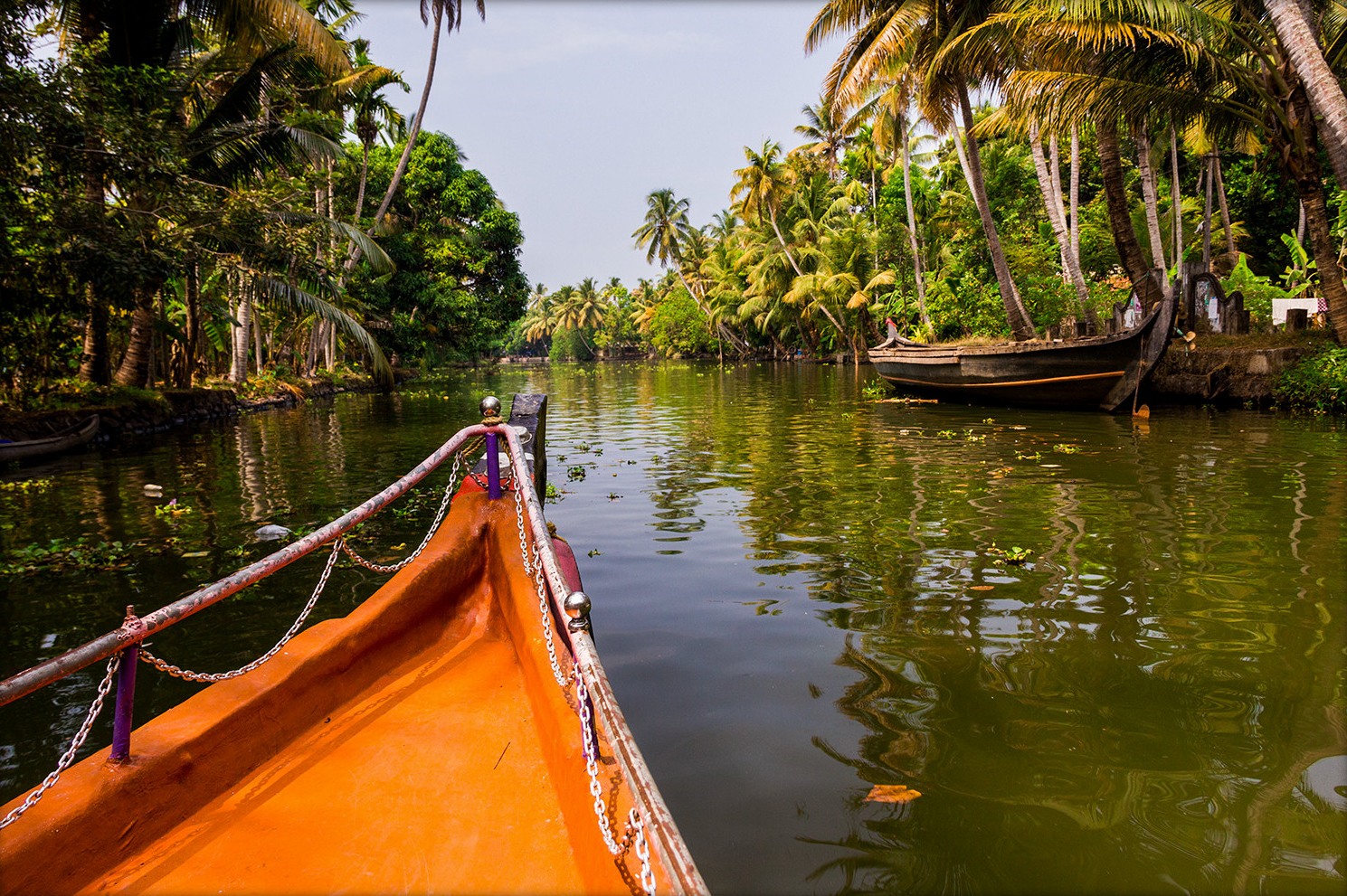
The Shikara cruise in the narrow canals of Alleppey

Further, we were oared across to the end of the canal which opened into the wide Vembanad lake where all the teams were practising for the boat race and the venue was getting set for the ‘Big’ event. The energy and enthusiasm in the atmosphere was no less than that of the main event itself. Though we wanted to stay there till sunset, the government deadline for all activities in the waters forced us to return to the jetty before 06.00.p.m.

On returning to the mainland, we meandered through the lanes of Alleppey town searching for a dose of Kerala chai and palam-pori (Banana fritters). We then decided to settle down by the beach until dark. While finding our way to the beach, we walked past the coir industries that Alleppey was once known for, and now remained shut and non-functional.

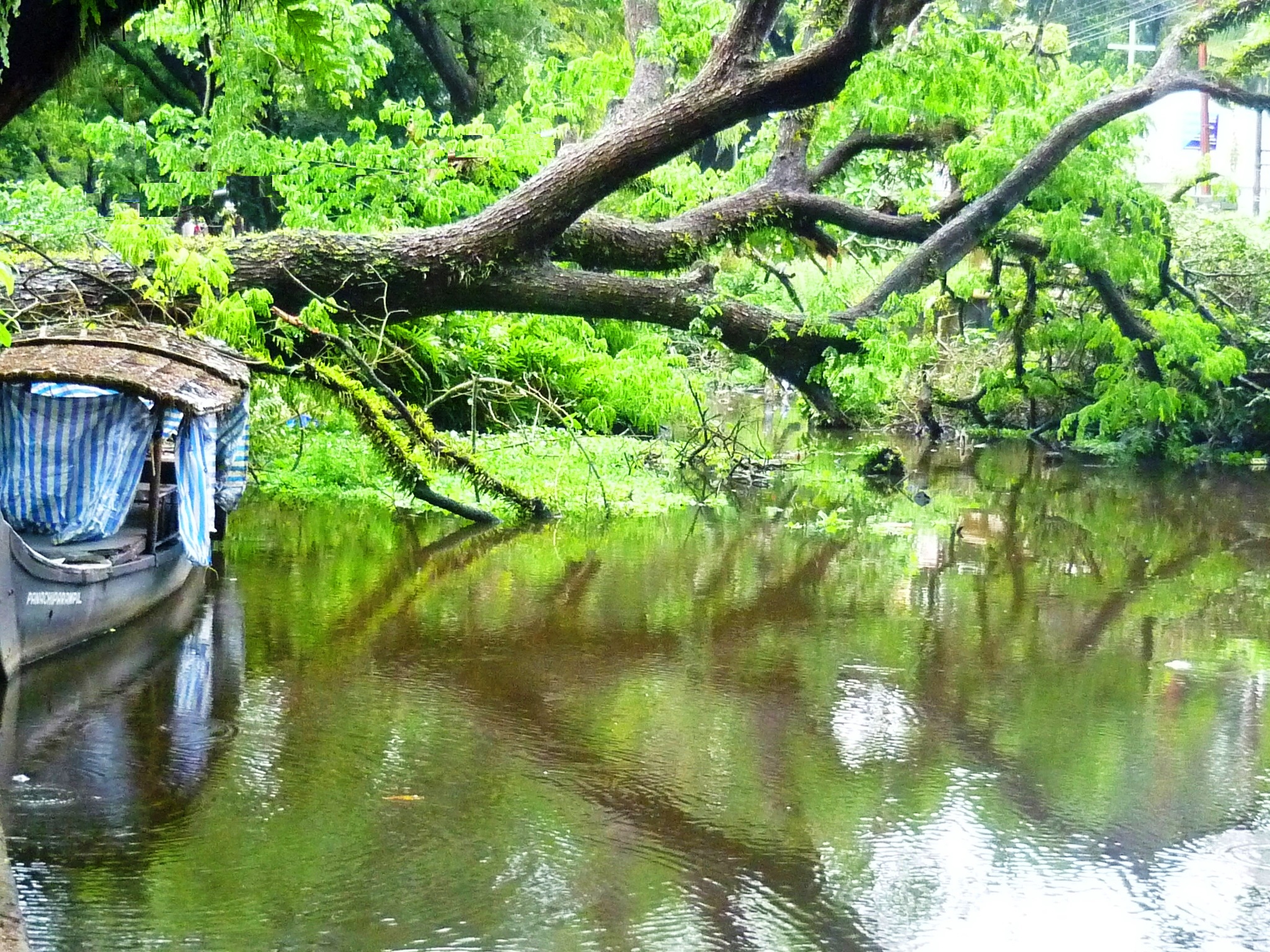
A stationed shikara enroute to the Alleppey beach

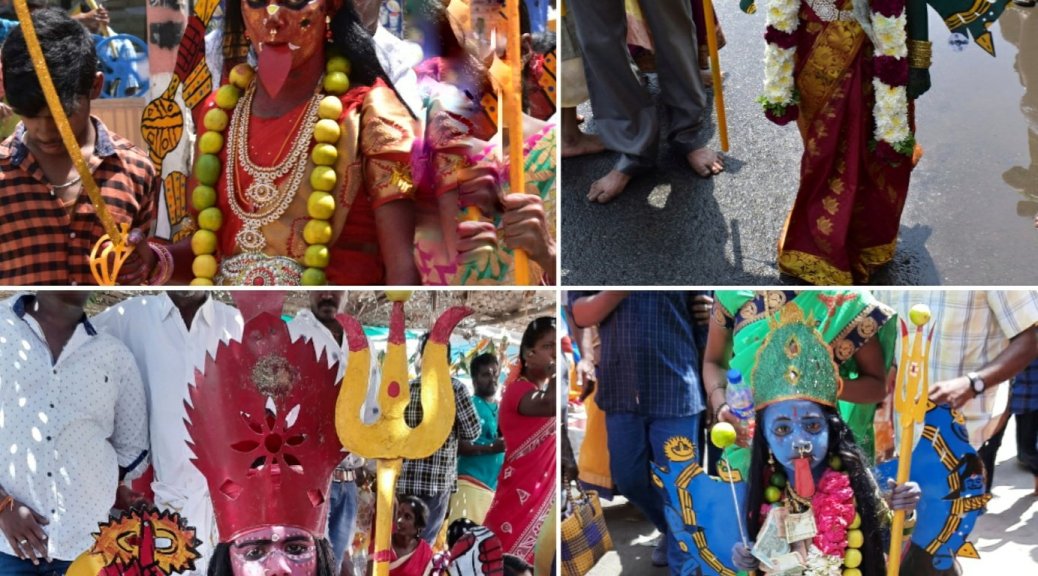
While walking back to the town area from the beach, we happened to see a hoarding of a concert happening at a nearby stadium. Post sunset on normal days, most towns in Kerala sleep to silence after 7.00.p.m. and there will be not many options to see or do after that. Since we did not want to waste the remaining evening by sitting inside our hotel room, we decided to head to the stadium to kill the rest of our evening. ‘Music never disappoints’, all the three of us had the same thought. Upon arrival at the stadium, we enjoyed the on-going performance of ‘Theyyam’, one of the colourful, traditional & spiritual dances of the state. But after some time in the audience gallery, is when we experienced a surprise on the stage. A MIND-BLOWING show by the violin maestro- Balabaskaran and team.. It was there that we were LOST in dreamland..!!

Day 2:

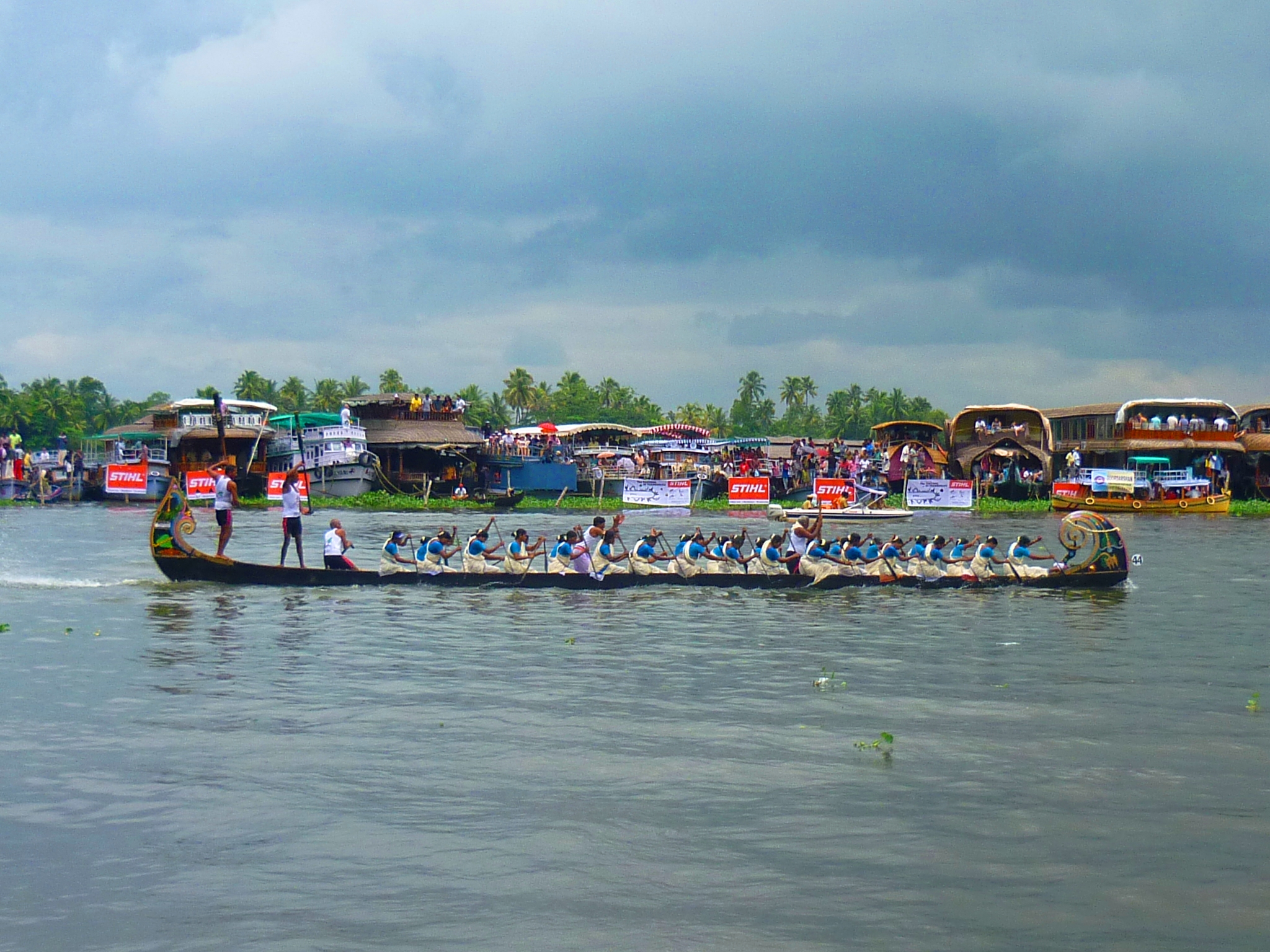
The next morning, we had to reach the racing venue as early as 08.00.a.m. to ensure that we had a place to sit. (Read about the madness of the event). The snake boats are the world’s biggest water vessel used for sports. One by one, they arrived for assembly. Locally called as the Chundan Vallam (Beaked boats), these 100~120 feet long wooden canoes carry 90- 110 rowers and move like snakes through the channels. And soon, the races started under different categories. Every single soul in the arena was singing songs of cheer. All through the event, only one thing echoed in the atmosphere: Vanchipattu or the Boat song. It was a once in a lifetime experience to be a part of that enthusiastic crowd.

The oarsmen '"Women"
The oarsmen ‘”Women”

Post the event, we still had time to explore the town and hence boarded a bus to Champakulam. As we passed through the waterlogged villages of Kuttanad, we were reminded that the region we were passing through was the ‘granary of Kerala’ or the rice bowl of Kerala. It is one of the few places in the world where farming is done below sea level.

Soon, we reached the St. Mary Forane Church. Since it was a Sunday, we were lucky to take part in the mass. Built in 427A.D., this riverside church is a testimony of time with its finely maintained beautiful mural paintings. From there, we took a boat to reach the other end of the river: the oldest market in the region known as Kalloorkkadu angadi.

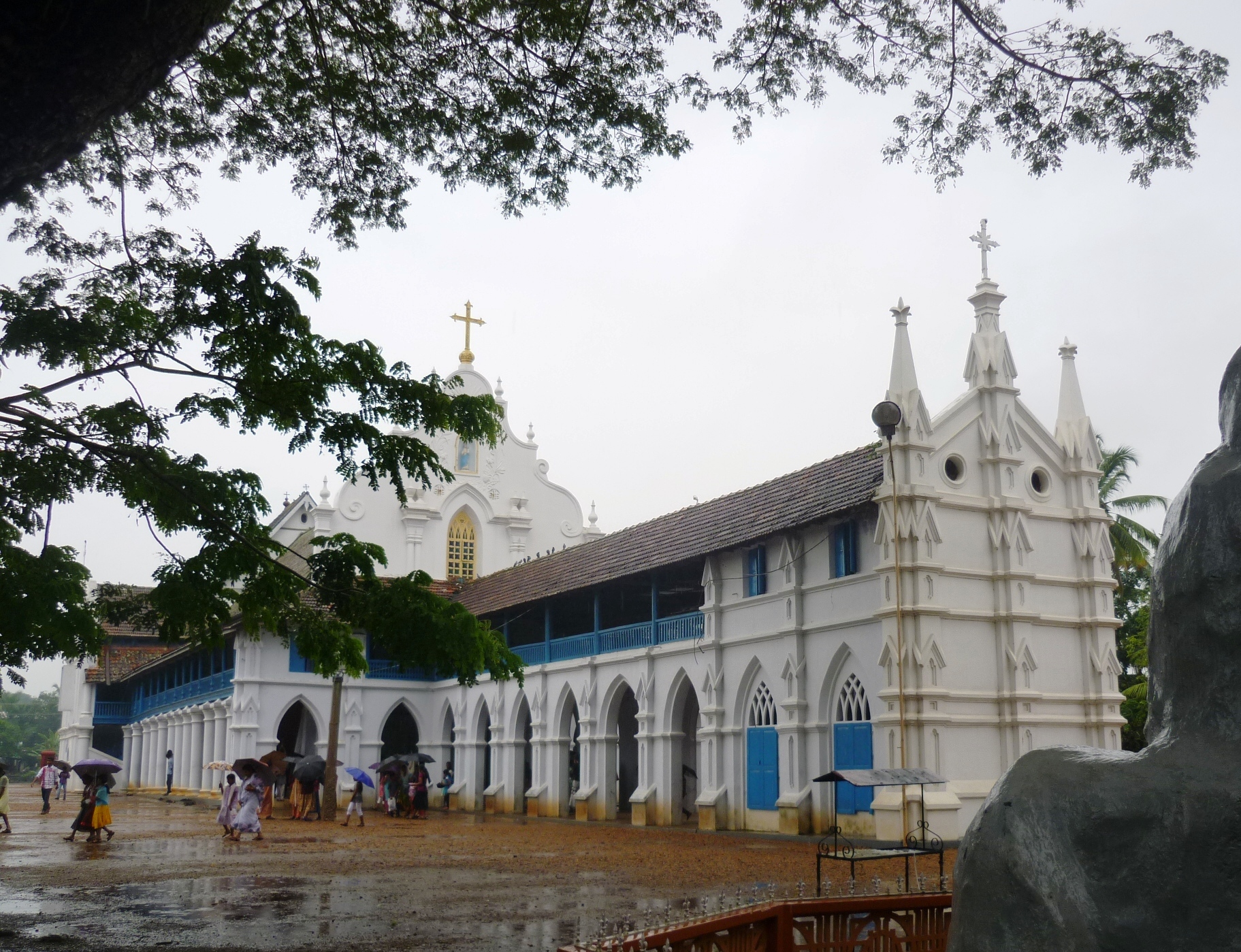
Champakulam St. Marys church

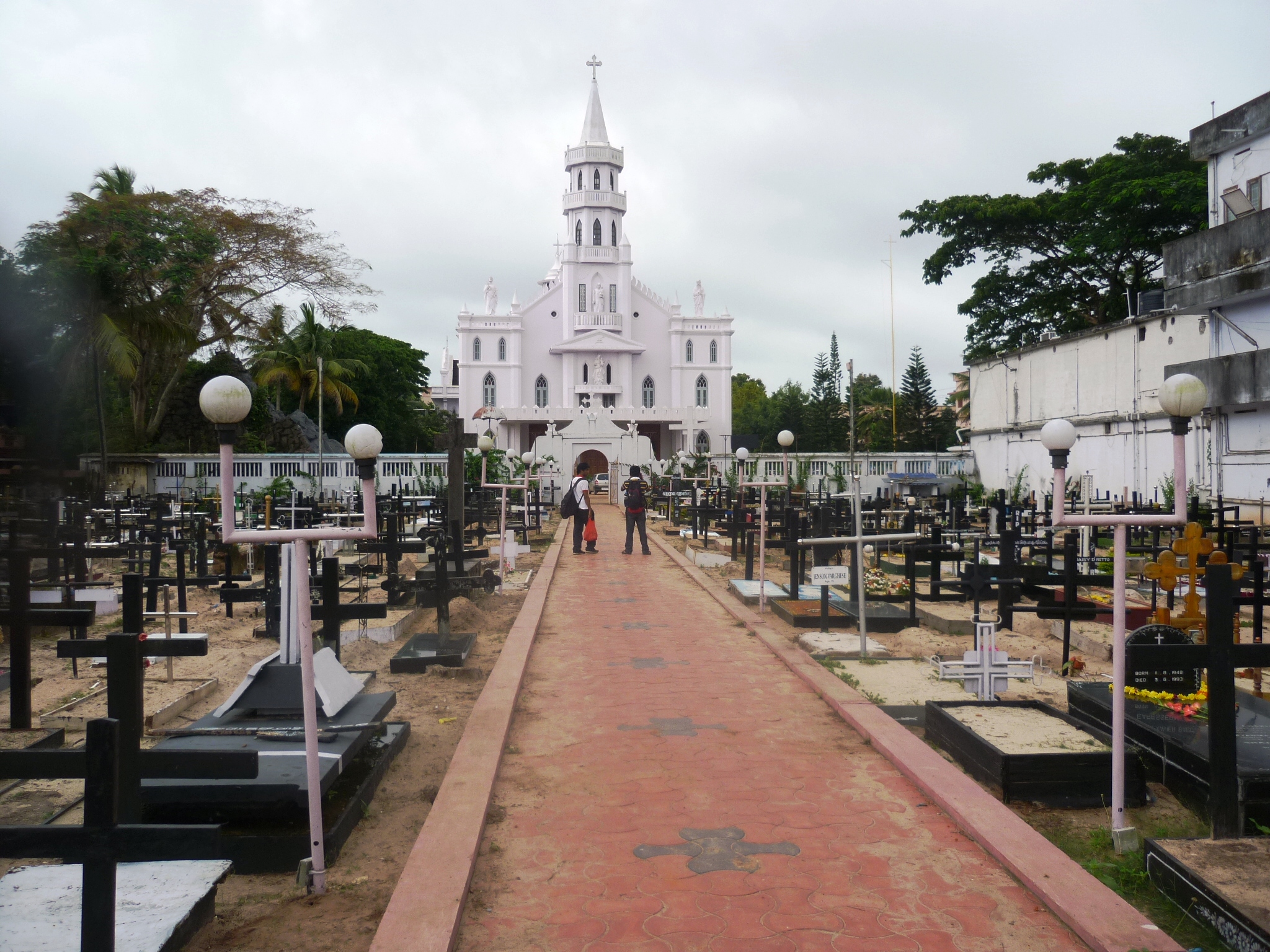
With a local bus ride from there, back to the town, we then took a walk to the Latin church in the town. The entire town of Alleppey can be viewed from the terrace of this church (permitted only during visiting hours). What particularly caught our interest was the cemetery where all members of a family were buried in the same pit. Hundreds of such graves laid within the church premises.

The premises of the Latin Church

We then checked out our lodge and headed to the railway station for our return, scheduled for the night. It was time for us to depart with a mind filled with beautiful memories of sailing afloat on a boat in the backwaters of land that is called ‘God’s own country’ and hope to return soon.

Must dos: Experience the madness of the Snake boat race
Must eat: Freshly caught and cooked seafood while on a backwater cruise tour

Places to Visit in Trichy in a day

This visit to Trichy was a part of our family’s backpacking trip, mainly conceptualized to cover a portion of the Coromandel coast during this trip. Our itinerary for this trip was Bangalore – Mayiladuthurai – Poompuhar – Tarangambadi – Karaikal – Nagapattinam – Velankanni – Tanjavur – Trichy – Bangalore.

After a long day exploring Tanjavur, we boarded an evening bus to Tiruchirappalli. Trichy is a name given by the British, perhaps the shortened version of the original used for the ease of pronunciation. After reaching the town, we checked into a lodge in front of the central bus stand, had a sumptuous meal and retired early.

  • It was day 3 of our backpacking. The places covered in our Trichy day trip were:
    • The island town of Srirangam
    • Thiruvannaikaval
    • St. Lourdes’s church
    • Rock Fort

The visit in detail:

Since this was not the first visit to Trichy for my parents, this plan was just a Trichy day trip. They wanted to just go around the major landmarks that are typically frequented on a traveler’s circuit. But Trichy is beyond just pilgrimage and ours is a family of explorers. So, in spite of covering these popular landmarks, we still added a few elements of history and architectural explorations into it to make it more meaningful than just going around these places. In fact, as someone who views places from a historian’s perspective, places are usually recognized by a specific dynasty that had an influence in its overall culture. For example, Mahabalipuram is associated with the Pallavas, Tanjavur or Kumbakonam is a major territory of the Cholas, Madurai with the Pandya and so on. But, when it comes to Trichy, this town was never a capital of one particular kingdom. However, it has remained a very important place throughout history and across timelines, thereby picking up influences of all major dynasties that ruled over this region. Hence, it is safe to say that Trichy represents a confluence of all south-Indian architectural styles.
I would like to elaborate on the places we visited to give my readers a brief idea of these places when they plan their trip to Trichy.

Landmark 1: Srirangam

We got ready early next morning and boarded a local bus to Srirangam- the abode of Sri Antya Ranganatha Swamy. This is the Tamilian counterpart of AdiRanga at Srirangapatna and MadhyaRanga in Shivana Samudra (All three are island towns formed by river Kaveri). Srirangam is an important place of worship for the Vaishnava sect of Brahmins or the followers of Lord Vishnu. When we arrive there, there was a long queue and we managed to get a glimpse of the historic idol of Sri Ranganatha sleeping on a serpent after a long wait in the queue. (There is a long history of how this idol came into being, worth a read).

But pilgrimage aside, we were there to enjoy the architectural marvels of the city. If you are someone who loves to walk and explore a place by foot, it would take a good 2-3 hours to simply walk around the main temple complex. Although the main gopuram or the outermost tower is the latest among all the towers in this temple complex, it is the largest temple tower in the world. With a spread of 156 acres, the temple complex itself is believed to be the largest functional temple premises in the world.

The complex consists seven rounds of walls/fortifications before you reach the sanctum sanctorum. Each wall was added by the successive dynasties that reigned in this town including the Pandya, Cholas, Hoysala, Vijayanagar, Pallavas and the others. The art specific to each of these eras can be noticed in the complex. The entire complex has 21 temple gopurams where one could easily get lost in the vastness of the complex if attempting to see each of them individually. After entering the main complex, a ticket of Rs.10 per head took us through narrow stairs leading to the roof of the temple. This is called the temple viewpoint, from where all 21 temple towers could be seen from a single spot. There is also a 1000 pillar hall which was earlier used as a venue to host dance events, now remained locked. We admired the fine sculptures on these pillars through the bars of the closed gates and continued our walk further.

The Antya Ranganathar swamy temple at Srirangam

The banks of river Kaveri is just behind the temple, which can be accessed by walking through the rear door of the temple. With blazing sun even at 10.00.a.m, the sand and the asphalt road were already heated up. Hence, our barefooted attempt to walk to the riverbank was less a walk and more a run. Hailing from a place where the holy river originates and flows gracefully with water all through the year, it was unexpected and disappointing and to see her riverbed running TOTALLY dry in this part of her journey. But after talking to the localites, I cheered up a bit as they were looking forward for a good monsoon in the coming month. We were told that the river would flow almost in spate during the monsoons (Even submerging the very place that I was standing at). We came back to the temple again, had some fresh fruit juice from one of the stalls outside, wore our footwear and took a walk around the temple.

Big houses, with very small entrance, compactly built next to each other, allowing no or very less ventilation inside was the trademark style of Srirangam. These streets take pride in being home to one of the highly educated communities of the country- the Iyengar Brahmins.

Oh yeah…!! It was BURNING hot and I was pretty sure I’d go back home like a grilled chicken after this walk. But then, we wanted to make the most of the visit because life is uncertain, and no one knows for sure when we would be visiting again.

Landmark 2: Thiruvannaikaval

Though the population of Srirangam mainly comprises the Iyengar (the followers of Vaishnavism), the then rulers have also built temples for the Iyers (the followers of Shaivism). Hence, our next destination was to see the temple built for Lord Shiva. We boarded a bus to Thiruvannaikaval. This temple is as beautiful as the Ranganatha temple, however, the history behind the latter has made it more prominent. Though many people visiting this city give a miss to this temple, it should be noted that this is one among the five temples built for Shiva representing the five elements of life. This one represents water or Jala Linga. One of the residents in the complex noticed our interest in exploration and suggested us to visit the Amma or Parvathi temple, another beautiful ancient temple usually missed by visitors. It is located right behind the Shiva temple.

The entrance to Thiruvannaikaval Shiva temple

Landmark 3: St. Lourdes’s church

From the temple, we had a nice south Indian meal at a nearby hotel after which we headed back to Trichy town. We visited the St. Lourdes’s church in the city. The Gallo-Catholic design of the church architecture and the neo-Gothic spires are beautiful in this early 2 centuries old heritage structure.

St. Lourde's church
St. Lourde’s church

We did a bit of shopping in the by lanes and the Trichy market around the Teppakulam (Temple tank) before we started our ascend to our next destination.

Landmark 4: Rock Fort

This single projection of land in an otherwise low/Flat Trichy town dates back to the pre-historic era. It is beyond words to describe how in those days, could someone has created such beautiful structures out of a hard monolith. What appears to be just a random protrusion of earth from outside, is in fact a haven for the art lovers in the inside. There are stairs, numerous temples, artistic pillars and idols carved out of the same rock all the way up. There is a Ganesha temple at the summit from where one can enjoy the view of the entire Trichy town, the Kaveri river flowing around Srirangam, the temple gopuram, the rail lines traveling in and outside the city. The fun was doubled by the cool but strong winds that blew taking away all the tiredness from our minds.

The view of river Kaveri from the summit of Rockfort
The view of Srirangam and the river bed from the summit of Rockfort

As we decided to descend down, we realized that a door that had remained closed during our ascent was now wide open. There were some beautiful paintings peeking out of the door intimidating us to go inside and see what was there. We stepped inside and it was amusement that followed. It was a vast hall carved out inside the same rock with beautifully sculptured pillars and amazing paintings adorning the walls. A priest noticed our interest and started explaining the story depicted by each painting. He then told us to hurry up and walk inside through another door. There, the maha mangalaarthi (the last pooja of the day.!!) for goddess Parvathi was just about to begin. Just as we reached there, they unveiled the curtains for us to get an eyeful of the beautifully decorated goddess.

Just while we were sipping the holy water, we were again asked to rush through another door, cross a narrow chamber that led to the Shiva temple. The deity was getting ready for the final pooja of the day. Prayers are offered only thrice a day: During sunrise, at noon and before sunset. And we were lucky for being there for one of these (the last one). The curtains were parted from the deity and the huge idol was being bathed in the pancha-Amrutha. Then, he was neatly dressed in dhoti, decorated with fresh flowers and the pooja culminating with Arathi. The curtains were back signaling us that the god would then go to sleep. We felt truly BLESSED…!! by the end of this, I could see my mom weeping in joy for being lucky to witness this Pooja. We had witnessed an event that was so unexpected.

At the exit of the Cave temple / Rockfort

Again, the presence and strong hold of almost all major south Indian dynasties could be felt there with the exquisite designs present in the art there. We thanked the priest and took leave to descend the stairs leading us down to the market.

Landmark 5: GR restaurant

A final destination to our tour: a local recommendation for an evening chai. GR restaurant is housed in an old building in the heart of the city (enroute to Rock fort). The Valli appam is a must try here. The interiors of the hotel are commendable which has rock pillars, structures & collectibles that reminds one of the grandeurs of temple architecture that this region is renowned for. A cup of piping hot filter coffee was a grand ending to our Trichy day trip!
There are many lesser known temples around Trichy and equally beautiful with rich artwork which takes up another full day. But one day was all the time we had with us before wrapping up trip in Trichy to Bangalore. So, I shall come back soon.

A secular pilgrimage along the Coramandel coast

This was a family backpacking trip, mainly conceptualized by my dad and had been long due. He wanted to see how the end of River Kaveri; our family deity looks like. Accordingly, we made an itinerary and a route map. Our family of four backpacked with the below itinerary:

Our Itinerary:

Day 0: Depart from Bangalore (Travel mode: Overnight train to Mayiladuthurai)
Day 1: Visit Poompuhar, Tarangambadi, Karaikal, Nagore and Velankanni (Travel mode: local bus; Stay: Church run lodges at Velankanni)
Day 2: Explore Tanjavur (Travel mode: local bus; Stay: Hotel at Trichy)
Day 3: Explore Trichy (Depart to Bangalore by overnight bus)

The first day of our backpacking is presented here, which took us across three important landmark destinations along the east-coast, covering all three prominent faiths in India. That’s why I call this part of the trip as a ‘secular trip’ with of course covering the intended destination: Poompuhar, the end of the River Kaveri or the point where this Holy river meets the sea.

Destination 1– Poompuhar

The name reminds one of the arts and crafts of Tamil Nadu while Cauvery emporium strikes a similar bell back home at Karnataka. The link for both the names is common. While the latter relates to Tala-Cauvery, the birthplace of river Cauvery at Karnataka, the former marks the end of the same river at Tamil Nadu. Both being holy places for the Hindus of South India.

We were welcomed by a stretch of fishermen selling salted/seasoned & dried fish at the shore of this historic beach. There is a sculpture art museum on to the right side, at the entrance. To the left is Ilanji Mandran, a bathing place said to have had mysterious powers of curing health ailments that dates back to the Chola era. A walk for about a kilometer along the roaring sea leads us to the river mouth. It is believed that river Cauvery (a female) runs towards the sea (a male) at this point. If one stands and watches the river mouth at this point, the rapids of the river joining the calm sea can be seen quite evidently. The calm sea lashes her back towards the land with his waves side by side. A dip at this juncture is believed to be very holy (Hailing from a community that worships this river as a family deity, at least this is what I have grown up listening to). This place is also called Kaveripoompattinam as called by the Cholas and is a place of importance to the archaeologists.

The Ilanji Mandran at Poompuhar

Apart from the river mouth and a walk through the historical monuments mentioned above, there is nothing much to do at Poompuhar otherwise. The Kethu & Budha sthalams among the Navagraha temples are close by- I will save them for another article.

With that, we boarded a bus to our next destination- Tarangambadi. Then from there, to Karaikal beach.

Destination 2- Nagore

The little town of Nagore is known for the Hazrat Syed Shahul Hameed Dargah of the Islam faith. We were welcomed warmly by the priests there who helped us with the procedures of offering our prayers. Going by history, this dargah stands as a symbol of peaceful co-existence between the Hindus & the Muslims as people from all faiths come here for worship. There are 5 minarets out of which the tallest one was built by a Maratha King of Tanjavur for being cured of his ailment by the miracles of Shahul Hameed. From there, we headed to our last destination of the day.

One of the 5 minarets at the Nagore dargah

Destination 3: Velankanni

It was sunset time when we arrived at the Catholic shrine of Our Lady of Good Health. We walked through the lines of stalls bustling with activities, pilgrims, tourists, hotels and other urchins to reach the seashore. This place is so crowded almost all through the year, that if one just stands in the crowd, the crowd will take you forward without you actually having to try to walk. We walked back to the Basilica of the Arogya Matha as she is fondly called to offer our prayers. The history dates back to 3 events occurring from 16th century onwards where Mother Mary appeared to a milk vendor, a buttermilk vendor and the Portuguese sailors who survived a severe sea storm. There is Matha Kulam / the holy pond and 2 chapels built at the respective places of the above occurrences.

We then took a brief walk at the donation’s library where all the gold, silver & other expensive offerings made by the devotees are kept for exhibits.

The shrine of Our Lady of Good Health at Velankanni

With that, a tiring, yet a pleasant journey in quest of god ended in a peaceful slumber at a Church run lodge… The following morning, we board another TNSRTC bus to our next destination: Tanjavur.

Offbeat Places to See in Tanjavur on a daytrip

This visit to Tanjavur was a part of our family’s backpacking trip covering the route: Bangalore – Mayiladuthurai – Poompuhar – Tarangambadi – Karaikal – Nagapattinam – Velankanni – Tanjavur – Trichy – Bangalore.

Following a long day of a secular pilgrimage in the Coromandel coast, we boarded a morning bus to Tanjavur. Tanjavur, the cradle of Dravidian culture and a hub of the Chola art and architecture needs no introduction. There’s no dearth for information on the internet. A visit to this land was on my parent’s ‘bucket list’ and this was a trip planned for its materialization. With a day’s time at our disposal (VERY short for a slow traveler like me), we decided to cover the major landmarks that a typical tourist would want to see in the capital of the Cholas.

It was the second day of our backpacking. The places covered in Tanjavur were:
• BIG temple (Brihadeesvaran temple)
• Saraswathi Mahal complex
• Grand Anicut / Kallanai dam

The details:

As in case of every other civilization, a river holds all the life. In this case, Tanjavur was born on the fertile delta created by river Kaveri. This is the land that has nurtured and held on to the Dravidian culture till date. Apart from this, its local economy has largely been agrarian based ana is rightly called as the rice bowl of South India.

Landmark 1: The Big temple

The iconic monolith of this land was spotted even as our bus was still pulling off at the bus station. The monolith seated gracefully atop the ancient temple with a weight of 800 tonnes was still far away. As we reached, we stood there in awe, gazing at the vast premises of the mighty temple. The temple tower is the tallest in the world and stands testimony to the Cholas’ love for art and fine engineering skills even in the iron age. It is believed that a ramp was laid from about six kilometers to facilitate the placement of the monolith Kalasha atop the tower. The walls of the corridor are adorned by fine paintings that were done with a mixture of limestone and organic extracts. The temple walls have sculptures of numerous mythic animals which is the highlight of the Cholas’ temple architecture.

The entrance at the Brihadeesvaran temple

‘The Great living Chola temples’ is a group of three Chola temples located across Tanjavur district. Together, these three temples represent an architectural conception of the pure form of the Dravidian style. The Tanjavur Brihadeshwara temple is the most easily accessible of them all and is located in the heart of the city. (The other two temples are the Airavatesvara temple at Darasuram and Gangaikondacholisvaram). Although the Brihadeshwara temple is fondly called as the Big temple, it has multiple names. With a simple translation of the name into local language, it is called Thanjavur Periya kovil. The great Chola king Raja raja named this temple as Rajarajesvaram and the deity Shiva in Linga form as Peruvudaiyar. A few people also refer the temple with the name of its deity as Peruvudaiyar kovil.

The Tanjavur paintings adorning one of the roofs

Landmark 2: Saraswathi Mahal complex

We took an autorickshaw ride from the Big temple to Saraswathi Mahal. This is reckoned among the oldest functional libraries in the world and was patronized by the Tanjavur rulers. One can find some very old, rare and original copies of important manuscripts, scientific research publications etc. here. Adjoining it, is the palace of the Marathas of Tanjavur. The palace is partially used as the residence of the descendants and remaining portion is converted into a museum.

Behind this building, is the art museum which houses some rare and famous bronze idols created during the Chola era. The Cholas were the earliest people to have used the lost wax technique to create the bronze idols with a very scientific approach (as per the documented procedures in the Vedas).

The Saraswathi Mahal Library

Just outside the museum, we picked up a pair of Tanjavur bommai from the souvenir shop. These famous Tanjavur dolls are colorful handcrafted figurines where the head is suspended on a pivot which gives a dancing/swinging movement to the doll. Hence, they are often referred as the Tanjavur thalayatti bommai or the dancing headed dolls. Another artform you cannot ignore or miss while in this city are the Tanjavur paintings. Considered as a divine artform, with gold embellishments, Tanjavur paintings are considered as a symbol of royalty.

Landmark 3: Grand Anicut / Kallanai dam

From there, we boarded a local bus to reach Grand Anicut (as called by the Britishers) or Kallanai (the local name). This is a standing example of the engineering marvels constructed over 2000 years ago by the Cholas (later modified by the British). This oldest functional water regulation structure in the world is a dam constructed with uneven stones / random boulders across river Kaveri with a desperate intention to divert the water before joining the sea so that it can be used for irrigation around the delta region. This dam divides the river into four streams known as Kollidam Aru, Kaveri, Vennar and Puthu. Later, the Lower Anicut/ Kollidam was constructed by the British before the water actually joins the sea.

An epitaph at the  Grand Anicut
An epitaph at the Grand Anicut

With this, our time in Tanjavur had almost come to an end. On the other end of the dame, we sat inside a local bus and waited for it to start to our next destination on our trip: Trichy.

The land of the singing waves – Tranquebar

This visit to Tarangambadi was a part of our family’s backpacking trip, mainly conceptualized to cover a portion of the Coromandel coast. Our itinerary for this trip was Bangalore – Mayiladuthurai – Poompuhar – Tarangambadi – Karaikal – Nagapattinam – Velankanni – Tanjavur – Trichy – Bangalore.

This post is about destination no.3 on the first day on the east coast road. I had read about this place in one of the history texts about the Colonial empire in India. I had visited Portuguese, British and the French settlement towns during my earlier travels. The Danish colonized in India for over 200 years with three important settlements. Serampore (in West Bengal), Tranquebar (in Tamil Nadu) and Nicobar Islands (in Andaman & Nicobar Islands, all along the Bay of Bengal. To read about the existence of these places in modern day’s context, there was barely any information available online from a traveler’s perspective. Since we were anyway doing the ECR tour, my curiosity to know more about a Danish settlement motivated me to add Tranquebar in our itinerary. ‘Tranquebar’ as the Scandinavians called it, is a humble town known as ‘Tarangambadi’ in present times.

As we continued our secular pilgrimage, I bought tickets to a destination that was unheard of to my family until that moment. I requested the conductor to inform me when we arrived there. Accordingly, we alighted the bus at a small junction. The place looked very laid back, simple, untouched by any major developmental investments, just like any other fishing hamlet on the coasts of India. The bus conductor pointed to a small road to the right and guided us telling “one kilometer ahead is the fort”, and blew the whistle indicating the driver to proceed. My parents looked at me with a blank look on their face. I could sense that ‘Where are you taking us on this hot afternoon?’ question in their eyes. Although with the first look of the place, I too had similar apprehensions running in my mind, I wanted to walk further to see what was really there!

We walked for about half a kilometer and an old arch done with Danish art welcomed us at the entrance of the town. A board by the side of the arch read: ‘Welcome to- The land of the singing waves- Tranquebar’.

The entrance arch
The arch at the entrance of Tarangambadi/Tranquebar

As we walked through this town welcome gate, the feel of the place transcended us instantly to a different country, or a different era- perhaps. The roads were super empty & clean and old Danish buildings stood tall on either side of it. The Zion church, the Teresa’s convent school, the Danish governor’s bungalow among several other structures that tell tales of an era bygone finally led us to a fort. ‘Fort Dansborg’ as it is called, is a structure peacefully nestled on the calm shores facing the Bay of Bengal. The moment we got a glimpse of the beach from the fort entrance, we got the link to the name of this quaint little place- Tranquebar: the land of tranquil waters. The place had tranquility overloaded not just in its waters, but in its air, land and whatever we saw around. I’m usually not a beach person, but this place was magical!

Since there are just countable properties (heritage bungalows turned resorts) in the town, Tranquebar is still unconquered on the tourist radar. Also, the unavailability of affordable food in a long stretch of kilometers, the budget hoppers are those who just drop in for day trips. Hence, except for a handful of fishermen, evenings and early mornings are idyllic with you being your only company if you choose to take stroll along the calm beach. This is by far, one of the BEST beaches along the east coast that I have been to.

The serene shoreline at Tranquebar
The serene shoreline around the Tranquebar fort

The fort is well maintained and converted into a museum. An important port between 1600s to early 1900s, the walls of the port now lay dilapidated, majorly battered by the tsunami in the year 2004. A stroll along the beach take you to the Masilamaninathar temple. It dates back to 13.C.E. and is believed to have mythological importance. The sculptures on the walls of this temple and the shikara have been corroded by the salts.

Although there isn’t much to see around in Tranquebar, it was a place that filled our mind with peace and tranquility even with just a few hours spent there. My parents too, were equally excited about the place where I had brought them to. I must admit that Tarangambadi is a place that I would COME BACK soon. Then, with more time and a hotel reservation at one of those bungalows on its beaches. But for now, it was a hard but a helpless option for us to pull ourselves out of this place. Unsatisfied with the quick visit, we promised ourselves to come back exclusively to stay here as we left for our next destination- Nagore.