Exploring Ramnami Community: A Journey into Tradition

Over recent years, my travels across India ignited my fascination with how tattoos hold cultural significance among different Indian communities. In many areas, tattoos serve as symbols tied to tribal customs. One community that particularly intrigued me was the Ramnami of Central India. When I shared this with a friend, she too showed interest in delving deeper into this culture. We eventually connected with a community member who graciously allowed us to visit his village, even inviting us to stay with his family. We happily arranged our visit.

We initially flew from Bangalore to Raipur. From there, we caught a local bus to the GPM district. Subsequently, we explored GPM by taxi, which dropped us off at Chandlidih, the Ramnami village. It was raining heavily as we navigated the damaged, flooded roads and finally arrived at the location indicated by Google Maps. We carried our backpacks while crossing a small reservoir wall built over a stream swollen by the monsoon. On the other side was our host’s house. By the time we reached the front yard of the Ramnami family’s modest home, we were covered in mud from puddles stretching from the parking lot to the house.
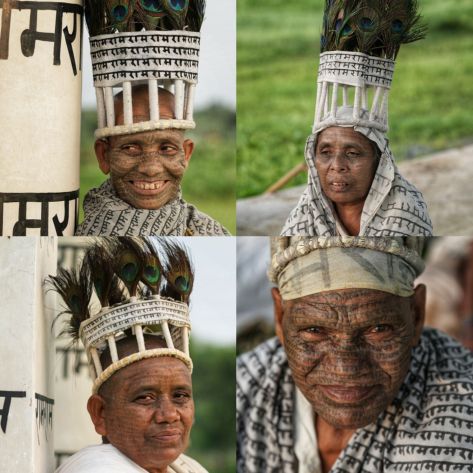
Portraits of the Ramnamis

Our host welcomed us upon arrival and directed us to the guest room to drop off our luggage. The room, an extension of the main house, was built with cob and wood, offering basic amenities such as two beds for resting and a light bulb for illumination at night. We relied on mobile internet throughout our stay. According to tradition, anyone visiting from outside must bathe and cleanse themselves before entering a Ramnami home. The next experience was something my friend and I will both remember for a long time: the bathroom!

It was a simple enclosure with two and a half walls and a roof. Half of the third wall was intentionally built to shoulder height, making it easy to bring in water from outside either with buckets or through a gravity pipe connected to a nearby perennial stream that filled a concrete tank inside the bathroom. The fourth side was left open for easy access, featuring a modest saree stitched into a sliding blind that could be moved to open or close. There was no running water; hot water had to be fetched from an outdoor firewood oven, or one had to make do with the chilly water stored in the tank inside. Our city dwelling bodies were used to a sturdy lockable door for bathing with unlimited hot water from a tap or shower. While the cold-water setup was tolerable for my outdoor spirit, I could not imagine standing unclothed inside a doorless bathroom.
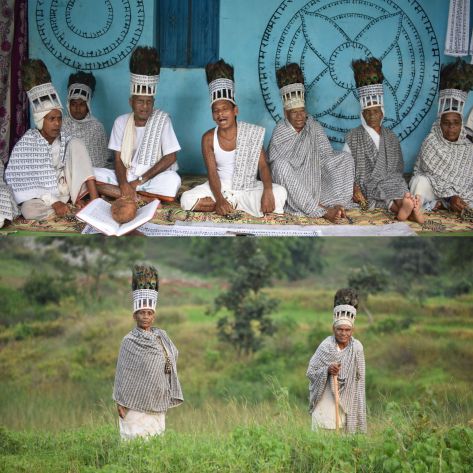
The Ramnami Community

If I were hiking, I could go days without bathing, but here, it was crucial to start our trip by experiencing the Ramnami culture. Hesitantly, I took off my clothes and poured a couple of mugs of water, just as I heard giggles outside. I paused to check if I was imagining things or if it was real. Soon, I saw the shadows of a few kids moving behind the curtain. As I began applying soap, I saw two toddler heads peeking in from the sides of the curtain, giggling again. I panicked, yelled my friend’s name, and hoped she would come to help. She got scared and ran over to see what was wrong. I told her about the curious kids, and she decided to stay at the bathroom entrance until I finished. Later, I returned the favor.

After changing into fresh clothes, my friend and I headed to the porch of their house, where the entire family had been singing hymns of Lord Ram since sunrise, even before we arrived. We greeted them with a coconut and some fresh flowers, which we were asked to bring as part of their tradition of introducing a new guest to the family. Most adults had tattoos reading ‘Ram-Ram’ in Hindi covering their bodies. Some had full-body tattoos, while others had only face, arm, or forehead patches. They all wore pure white clothes handwritten with ‘Ram-Ram’ patterns. Their Dhotis, shawls, and headgear featured the same ‘Ram’ writing in a consistent style. The handmade headgear, unique to the Ramnami, was decorated with peacock feathers. All participants in the Ram bhajan carried strings of small jingling metal bells, each stamped with ‘Ram’ during casting.

We introduced ourselves and joined their Bhajan until lunch was served. I savored a simple Satvik meal made with ingredients from their farm. The faint aroma of firewood used in cooking enhanced the local flavors with a divine touch.
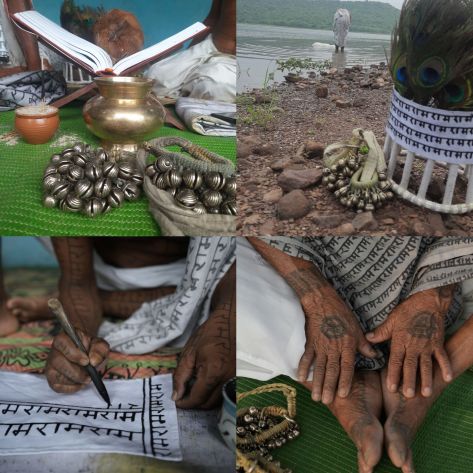
Daily utility items and life of the Ramnamis

We traveled without a fixed schedule, aiming for a slow, immersive experience of this community’s daily life. After lunch, my friend and I joined members singing Ram Bhajans on the porch to understand what defines the Ramnami. We were transported back to the 1890s to learn about their history. Like the rest of India at that time, casteism barred lower castes from entering shared places of worship. Some rebelled by declaring their bodies as temples dedicated to Ram, tattooing the Ram-Nam (Lord’s Name) with a locally made ink derived from herbs. They formed the Ramnami community. A senior member leads events, whether a baby’s birth or a funeral. Their greetings and farewells are solely marked by singing Ram-Bhajans, even during major life events like marriages. They do not conduct any Brahminical rituals, poojas, or havans as part of their practices.
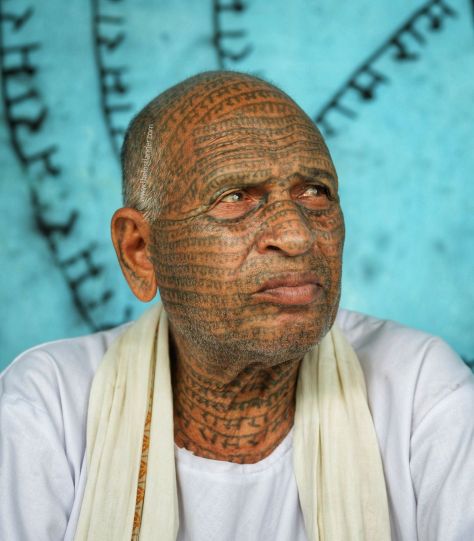
A portrait of a Ramnami community member

With the rain gods commanding the skies and earth, we saw them prepare their shawls, made from woven, stitched white cloth they crafted themselves. These shawls were then covered with Ram-Nam. After carefully observing them write with their native ink for a while, we joined in to write on some of the other pieces. Once finished, they set them aside to dry, initiating a series of procedures to prevent the white cloth from bleeding black.
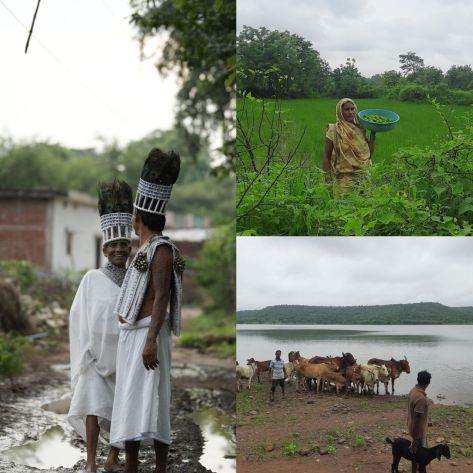
A walk through Ramnami village

When the rains stopped, our host guided us through their village. We crossed a stream, carefully walked along the paddy field edges, and eventually made our way along muddy, winding roads. We met several members of the Ramnami community, mostly relatives or neighbors from the same village. We greeted women working in the fields and enjoyed coffee at welcoming houses. Later, we visited JayaStambh, a small monument commemorating the annual Ramnami mela held here a few years prior. Some older community members joined us there at sunset, singing Ram bhajans as a tribute to the setting sun. Afterwards, we visited a small reservoir across the lake. The Ram Bhajans, sung warmly around a bonfire, echoed over the calm water, with the sky changing colors dramatically until nightfall.
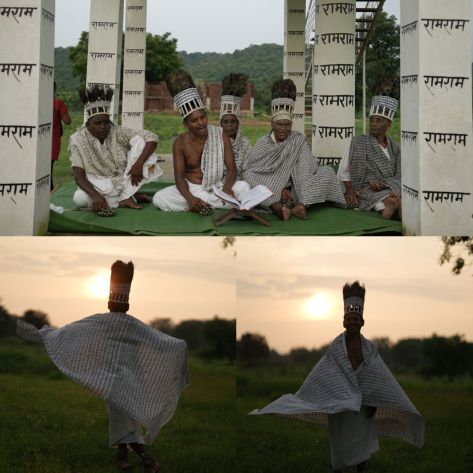
The evening prayers at the Ramnami Jayastambh

We walked home carefully through the night darkness to avoid slipping on the slush. After a satisfying dinner, we drifted into a peaceful, childlike sleep, concluding a long and exhausting day.

The following morning, we rose early to witness a normal day in the life of the Ramnami. We went to the reservoir with the elder members of our host family, who offered prayers to the sun god and recited blessings before their water dip. After changing into clean clothes, they went back home to continue household tasks such as cleaning, preparing food, and having breakfast.
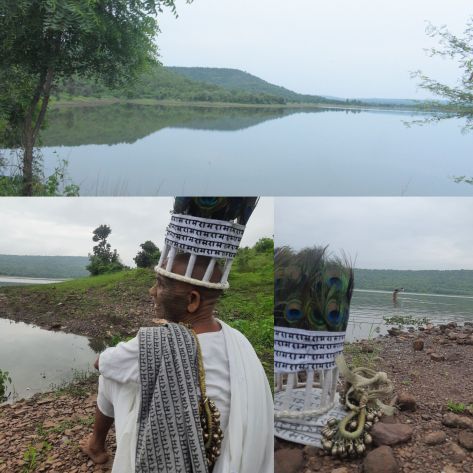
The morning at the Chandlidih reservoir

Spending time at a Ramnami home offered a genuine glimpse into a culture that is remarkably different from the rest of India. The younger Ramnami generation might not be eager to follow the traditional paths laid out by their elders. However, this community exemplifies how faith in God can help us overcome great challenges. They defied the odds, forging their path, which they believe will lead them to a divine connection.

After a simple breakfast and Ram Bhajans, we packed our bags for our next destination in Chhattisgarh. Our host assisted us with pillion rides on two motorbikes, skimming over the slushy village roads before reaching the highway, where we caught a local bus to continue our journey.


7 Reasons Why Thrillophilia Is India’s Most Trusted Tour Package Brand

When it comes to planning a multi-day trip in India, trust is everything. Travellers want to be sure that what they book is what they’ll get—on time, on budget, and without last-minute surprises.

Over the years, Thrillophilia has earned a strong reputation as the most trusted name in the multi-day travel space, especially for its personalised tour packages with end-to-end planning. With over 6 million users, verified reviews, and presence across 70+ international and 200+ Indian destinations, it has become a go-to platform for Indian tourists looking for safe, organised, and high-quality travel experiences.

Here are seven key reasons why travellers continue to place their trust in Thrillophilia.

1. Everything Is Pre-Planned and Well-Coordinated

Thrillophilia’s tours are known for their clarity and structure. Every trip includes:

  • Confirmed and hand-picked stays
  • Pre-booked activities
  • Local transfers
  • Day-wise plans
  • Expert-guided tours and sightseeing
  • Flights and Visa assistance

One standout aspect is how the platform handles food preferences. Travellers can request Jain meals, pure vegetarian, or non-vegetarian menus ahead of time, so that the food stops and meals are arranged accordingly. This kind of detail matters, especially on longer trips or for families and groups with varied dietary needs.

The result: Fewer disturbances, less last-minute stress, and a smoother experience overall.

2. Verified and Trusted Local Partners

Trust often breaks down when the on-ground experience doesn’t match expectations and promised packages. Thrillophilia addresses this by working only with vetted, verified local operators—be it hotel partners, drivers, guides, or activity hosts.

All partners go through a selection and training process, and reviews are constantly monitored to maintain standards. This ensures quality and consistency across destinations.

3. Transparent Pricing and Inclusions

Hidden charges are a common problem in the travel industry. Thrillophilia aims to solve this with clear, upfront pricing and detailed inclusion lists for every trip.

Travellers know exactly what they’re paying for—whether it’s entrance fees, meals, transport, or guide services. There are no vague “to be paid later” clauses, which builds trust from the very start of the booking process.

4. Real Reviews, Real Experiences

Thrillophilia features over 250,000 verified traveller reviews on its website, across all its tour packages. These are from actual users who have completed trips, and they help future travellers make informed choices.

Travel photos, ratings, and detailed feedback provide honest insight into the on-ground reality of each package. This transparency plays a big role in building long-term credibility.

5. Reliable Customer Support

Unexpected things can happen during travel—weather issues, reschedules, or on-ground coordination delays. Thrillophilia’s 24×7 customer support is designed to help resolve these issues quickly, with an average response time of just 10 minutes.

Whether it’s reassigning a driver, updating hotel check-in info, or providing live help during a trip, the support team is accessible via phone, chat, and email. Many users highlight this as a key reason they return to the platform.

6. Flexible Customization Options

While fixed itineraries offer structure, many travellers want to tweak plans based on personal preferences—adding a detour, choosing a different hotel category, or adjusting the pace of the itinerary for aged groups.

Thrillophilia allows for a fair level of trip customisation, often without added complexity. This is especially valuable for families, honeymooners, and seniors who need more specific arrangements.

7. Trusted by Diverse Traveller Segments

From solo backpackers to large corporate groups, Thrillophilia serves a wide range of customers. It’s used by:

  • Families with children
  • Couples on honeymoons
  • Senior citizens
  • Women-only groups
  • International tourists

The platform’s ability to adapt to different needs while maintaining consistency has helped it earn trust across segments.

In a crowded market full of travel listings and tour operators, reliability, clarity, and support are what truly build trust. Thrillophilia’s structured approach, combined with local expertise, Ai and tech-backed operations, and customer transparency has made it one of the most dependable multi-day travel package brand in India.

As travel continues to bounce back, trust will remain the most valuable currency, and Thrillophilia has built its brand around just that.

Why Dubai Is the Perfect Honeymoon Destination in the Middle East?

Choosing the perfect honeymoon destination for most newlyweds includes an intensive search that has the perfect combination of luxury, romance, adventure, and out-of-the-world experiences. However, there is no place in the Middle East that equates to Dubai when it comes to ticking off all those boxes. With its futuristic skyline, golden deserts, turquoise shores, and extravagant lifestyle, Dubai is a wedding paradise for all couples. Whether you need to indulge in five-star extravagance or uncover culture and adventure as a pair, Dubai delivers it all.

If you’re going on your first trip as a married couple, here’s why Dubai is the ideal honeymoon spot in the Middle East and how a properly organised Dubai honeymoon package can make your experience even better.

1. Romantic Experiences All Around

Dubai is made for love. Picture yourself having a candlelit dinner on a private boat sailing across the Dubai Marina or a helicopter flight with a bird’s-eye view of the world-famous Burj Khalifa and Palm Jumeirah. If you are looking for a quiet night, visit the Dubai Fountain, where you can view the spectacular water displays side by side with the world’s tallest building. You and your partner can also have a shared pampering and relaxing experience by going on a spa day, which is also available for couples at upscale resorts such as the Burj Al Arab or the One&Only The Palm. Most Dubai honeymoon packages for couples feature such romantic inclusions, so you can have those special moments without worrying about organising them.

2. A Distinct Blend of Contemporary Luxury and Classic Charm

Dubai effortlessly mixes the past and the future. You can wake up to a morning breakfast at one of the rooftop cafes in Downtown Dubai and spend your afternoon wandering through the Al Fahidi Historical District’s crooked alleys. Additionally, you can also take a ferry across the Dubai Creek or shop in the Gold and Spice Souks to enjoy a diverse and cultural experience. Dubai trip package for couples provides the best experience of the local culture with the utmost in modern luxury.

3. World-Class Resorts and Accommodation

Dubai boasts some of the world’s most luxurious and honeymoon-friendly hotels. With private overwater villas on the World Islands, desert resorts under the stars, and experiences that will be cherished in your heart forever, Dubai has every hotel that will satisfy all your desires. Some of the best honeymoon hotels include Burj Al Arab Jumeirah, Atlantis, The Palm, and Al Maha Desert Resort. Most Dubai vacation packages for couples offer romantic stay packages, complete with extra frills such as spa treatments, fine dining, and private transfers.

4. Adventure and Thrills for Two

If you are the type of couple who loves adrenaline highs, Dubai will not let you down. Ride the dunes and sandboard through the desert, go hot air ballooning over the desert sunrise, or try skydiving over the Palm Jumeirah for an unforgettable view. If you like water sports, then consider jet skiing along the JBR beach or going on a sunset cruise around the Persian Gulf. No matter what kind of adventure you and your partner enjoy, Dubai honeymoon packages for couples include these activities as part of the package or as upgrades.

5. Global Cuisine Delights

Indulging in the delicious native cuisine and exploring the culinary scene is a major part of any honeymoon, and Dubai offers one of the world’s most varied culinary offerings. From world-class Michelin-starred cuisine to beach dinners at sunset and street food from Karama, Dubai suits all tastes. If you are looking for top romantic dining options, they include Pierchic At.mosphere and The Beach Bar & Grill. Your Dubai couple trip package can be tailored to include private dining or food tours, allowing you to indulge in the finest of international and Emirati cuisine.

6. Perfect Weather and Sunshine Throughout the Year

Dubai has sunny weather all year round, so honeymoons there are always ideal regardless of the season. However, summer months between June and September tend to get very hot, although you can escape the heat with indoor entertainment and cooling facilities available in luxury resorts. The optimal time to travel is between November and March, when the weather is pleasant, so you can enjoy outdoor activities, beach vacations, and desert explorations. Planning your honeymoon during these months also means you can attend popular festivals and events, such as the Dubai Shopping Festival or live music concerts.

7. Easy Connectivity and Visa Process

Dubai is convenient to reach from most cities worldwide and has one of the best-connected airports in the world. For most nationalities, specifically Indian passport holders, a tourist visa is easy to obtain and can frequently be arranged online or via a travel agent. Picking a Dubai trip package for couples not only makes it easy to get a visa but also gets airport transfers, guided tours, and accommodation arranged in advance.

8. Picture-Perfect Locations for Honeymoon Memories

From the glittering cityscape and the architectural marvels to natural wonders like the Hatta mountains and Dubai’s serene beaches, the city is full of picturesque spots. Capture your memories as newlyweds with a professional photoshoot in front of the Burj Khalifa, among the desert dunes, or along the Dubai Marina. Some Dubai honeymoon packages for couples even include photography services in the package, so you can make your honeymoon memories last a lifetime.

Dubai is just a travel destination, but it’s a plethora of memories waiting to happen. Whether you’re drinking champagne in a penthouse suite, riding camels over the golden dunes, or relaxing in a spa with Gulf views, Dubai knows how to make love feel like a celebration. For a hassle-free experience, go in for a Dubai holiday package for couplewith Pickyourtrail that covers everything from high-end stays and private tours to gourmet dining and premium experiences. Travel in style and enjoy a lavish honeymoon with your loved one where you need to worry about nothing and focus on what truly matters—each other.

Top Things to Do in Spiti Valley in 2025

Things to Do in Spiti Valley: Adventure Awaits in the Himalayas

Have you ever dreamed of visiting a place filled with towering mountains, tranquil villages, and clear blue skies? Spiti Valley is an enchanting destination in Himachal Pradesh. Visitors can discover a variety of wondrous things to do in Spiti Valley, such as exploring monasteries, searching for fossils, and stargazing. A thrilling bike trip is one of the best ways to uncover this magnificent region, unveiling breathtaking vistas at every turn. Alternatively, if you prefer a more relaxed experience, you can choose a Spiti Valley tour package for a smooth and organised journey. Spiti welcomes every traveller with open arms and unforgettable experiences.

Best Things to Do in Spiti Valley

Here, you will find some of the best activities in to enjoy on a Spiti Valley bike trip that create unforgettable travel memories. From serene monasteries to thrilling adventures, everyone will find something to cherish in this destination.

1. Visit Key Monastery

Visiting the ancient Key Monastery, named Kye Gompa, ranks among the top things to do in Spiti Valley. Proudly resting on a hilltop for 1000 years, this ancient Tibetan Buddhist monastery appears like it is a carving of a fairy tale. The monastery consists of peaceful prayer halls where visitors can meet friendly monks and even choose to stay at night. The panorama from the high location becomes truly exceptional during sunrise. A visit to this venue offers educational experiences, and visitors can find both peace and photography opportunities.

2. Explore Chandratal Lake

Among all things to do in Spiti Valley, camping next to Chandratal Lake ranks as one of the most ethereal activities. Under the moonlit sky, the shimmering water creates the illusion of a mirror. During the daytime, the lake exhibits a visible transition from blue to green. The complete surround of snowy peaks and total silence transforms this place into the ultimate spot for observing stars. The destination is accessible after a brief walking trek from the parking area. Stay overnight in camps near the lake for a once-in-a-lifetime experience that feels nothing less than magical.

3. Experience Life in Kaza

Kaza stands as the leading town, which serves as the starting point for every adventure in Spiti Valley. It’s a blend of old-world charm and modern comforts. Visitors can roam through Kaza’s markets, where they can try momos and thukpa alongside opportunities to interact with locals and even rent bikes. Warm food and lovely views await visitors at The Himalayan Café and Sol Café. People planning a road trip or needing basic supplies should make Kaza their first stop because it provides all the necessities.

4. Fossil Hunting in Langza

Fossil hunting in Langza stands as one of the most exciting things to do in Spiti Valley for those who love mysteries. Millions of years ago, this area was under the sea. Now, the mountains hide ancient marine fossils like ammonites and shells. Hire a local guide who will accompany you on hill walks and help you to find genuine fossils sticking out from the rock surfaces. You can choose to purchase ancient fossils from residents, which serve as unique souvenir options.

5. See the Mummy at Gue Village

One of the most unique things to do in Spiti Valley is visiting Gue Village, where you’ll find a real 500-year-old mummy! You can witness a genuine monk mummy that naturally protects itself and is displayed in an enclosed glass case. Some believe that meditation enabled the monk to become self-mummified. The journey to Gue village provides beautiful natural scenery, and the place remains less crowded, making it a hidden destination. This mystical and spiritual site reveals a distinct side of Spiti that stays in your memory forever.

6. Trek to Dhankar Lake

Trekking to Dhankar Lake stands as the supreme peaceful outdoor experience within Spiti Valley. Starting at Dhankar Monastery, you can reach the destination in 1.5 hours by trekking. The lake exists deep within mountain territory, untouched by humans. Very few tourists visit these locations, which means you could become one with the surroundings. You can find the entire area to be an ideal location for a picnic because it allows quiet contemplation of nature. When visiting this site, remember to bring water, snacks, and wear comfortable footwear because the terrain contains stone pathways.

7. Spot Wildlife in Kibber

Looking for adventurous things to do in Spiti Valley? Try spotting snow leopards in Kibber Wildlife Sanctuary. Kibber maintains its position as the world’s highest permanently settled village and simultaneously serves as a habitat for ibex, blue sheep, and Himalayan wolves. One can observe snow leopards during winter months, and summer offers suitable conditions for hiking. Local guides organise wildlife tours, and even if you don’t spot a leopard, the mountain views and fresh air are worth it.

8. Take a Thrilling Bike Trip

A bike trip rates as one of the most exhilarating things to do in Spiti Valley. Riding through twisting paths while crossing rivers and visiting traditional settlements under the protective gaze of mountains becomes an unforgettable experience. You can stop at monasteries, lakes, and local cafes during your journey.  Riding on two wheels will create a memory you will never forget.
Conclusion

This region of Spiti Valley holds various stunning surprises, along with tranquillity and remarkable scenic views. Whether you are riding through its high mountain roads, walking through quiet villages, or sitting under a sky full of stars, every moment here feels special. Numerous things to do in Spiti Valley welcome all types of travellers seeking adventure, experiencing natural beauty, local culture, and enjoying tranquillity. It’s a place where time slows down, and your heart feels full. So pack your bags, take the road less travelled, and let Spiti Valley fill your heart with unforgettable memories.

Frequently Asked Questions

1.     What is Spiti Valley famous for?

Spiti Valley is famous for its natural surroundings, ancient monasteries, and soaring peaks.

2.     How many days are enough for Spiti Valley?

A trip of 5 to 7 days is ideal for exploring Spiti Valley, which includes acclimatisation, exploration, and travel across challenging terrain.

3.     Is oxygen low in Spiti Valley?

Yes, Spiti Valley has low oxygen levels because it is located at a height of 4,270 meters (14,010 ft).

4.     Can we see the Milky Way in Spiti Valley?

Yes, the Milky Way is visible to the naked eye throughout Spiti Valley from September to February.

A Weekend Adventure: Hiking to Ankushagiri Fort

On yet another weekend, we were off on yet another hiking expedition. This time, we went to a lesser-known trail on Hosur-Krishnagiri road. The initial plan was to hike to ‘Aiyur Sami Lake’, a day hike organized by the Eco-tourism wing of the Tamil-Nadu tourism department. However, their site was not accepting registrations due to unknown reasons, and hence, we decided to randomly pick a hill around the region on Google Maps and hike it up. That’s when we came across the Ankushagiri fort.

Following the route indicated on Google Maps, we arrived at the base of the start point of the ascent to Ankushagiri. There is a Perumal temple and, hence, a proper space for vehicle parking. Since we arrived on a Saturday morning in the winter months, some pilgrims had already arrived to worship the chief deity here. However, we skipped the temple visit and began our hike toward the fort that was located (once upon a time) on the hilltop.

Ankushagiri Fort and Perumal Temple at Tamil Nadu
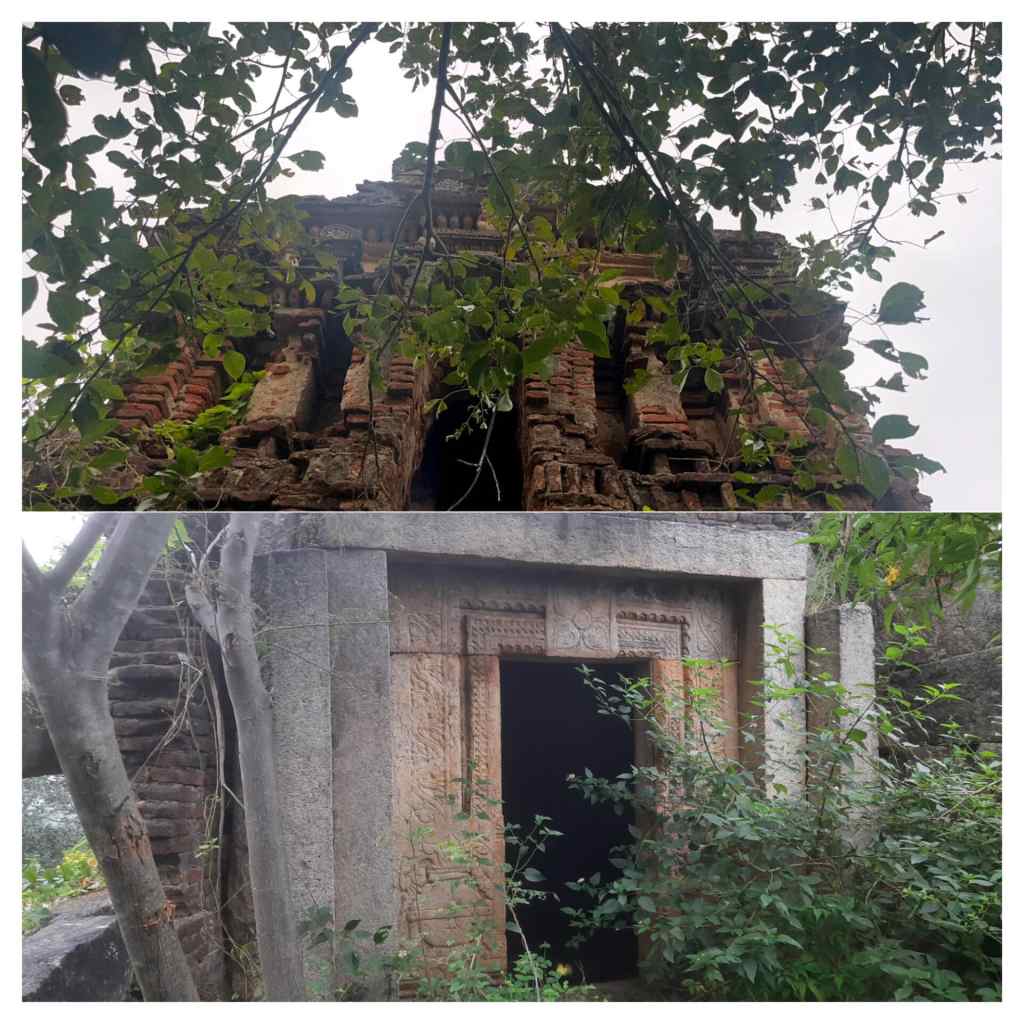
The ruins of the ancient temple at the base of Ankushagiri Hike

At the beginning of the hike route, there is an ancient structure, now in a dilapidated condition. Today, the Sanctorum lay empty with wild bushes and creepers taking over what once must have been a grand temple. The motifs on the walls of the two adjacent temple structures indicated both Perumal and Shiva.

Ankushagiri Fort and Perumal Temple at Tamil Nadu
The ruins of the ancient temple at the base of Ankushagiri Hike

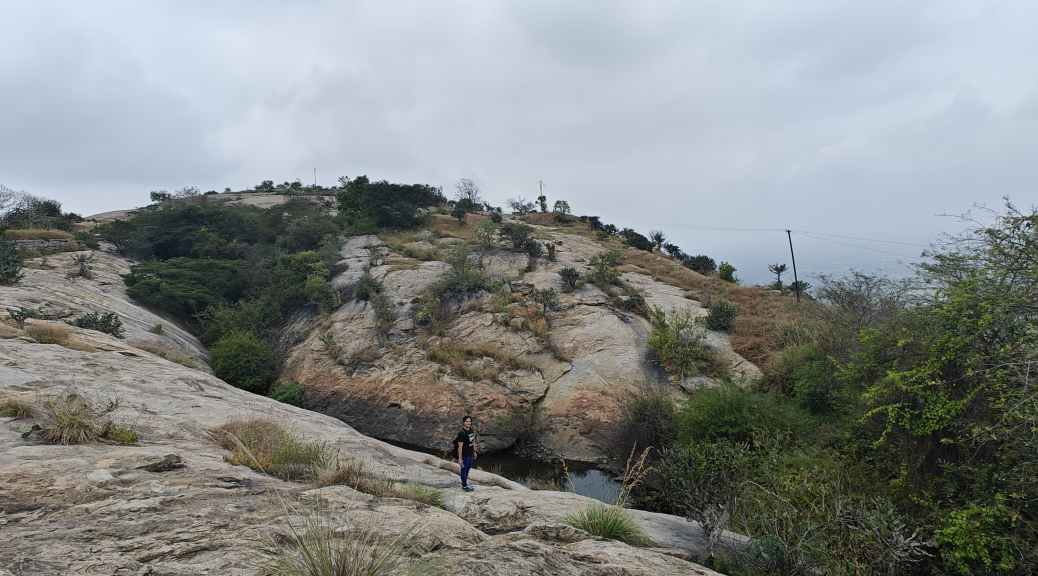
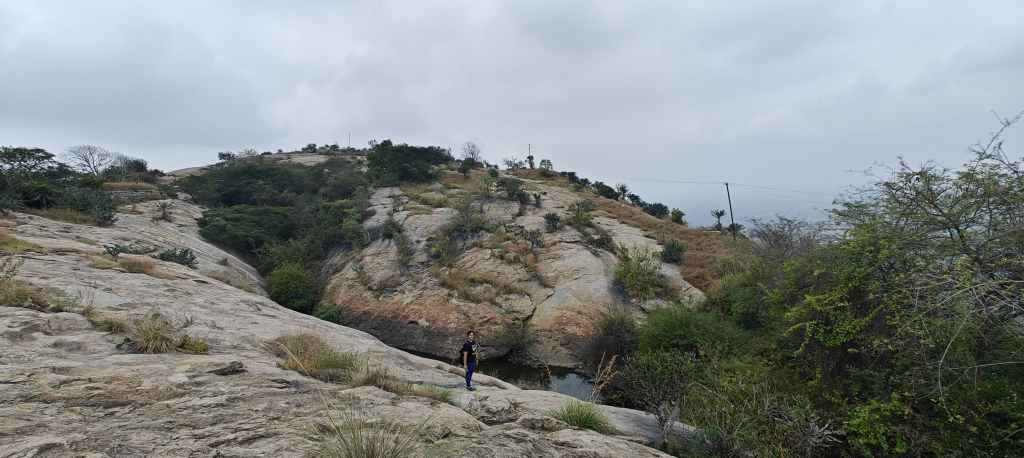
We went ahead from there and stopped after a brief walk. We were confused about the correct trail which seemed to split at a point from where either of them needed some more wear. We casually picked a path and continued to walk on the trail where the thorny bushes then opened to a rocky terrain. The rock looked interesting with varying patterns all over.

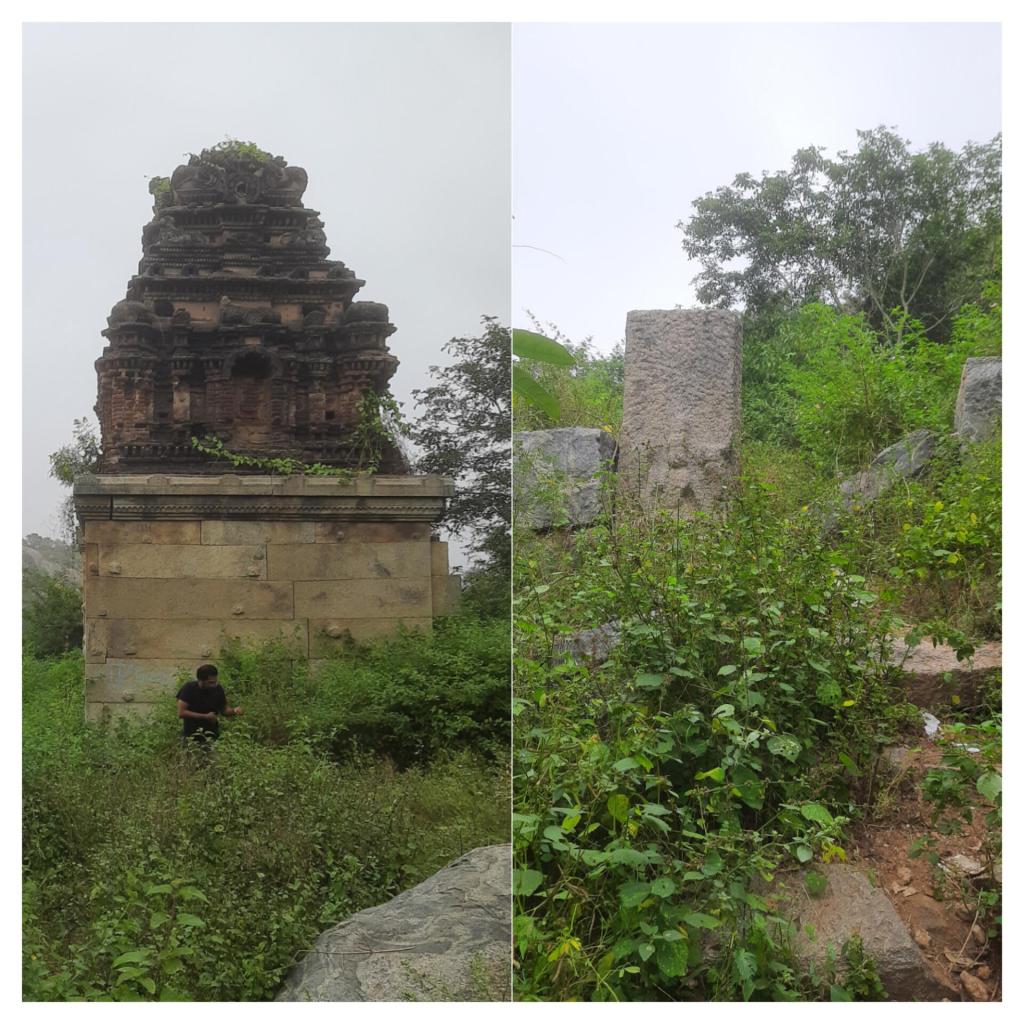
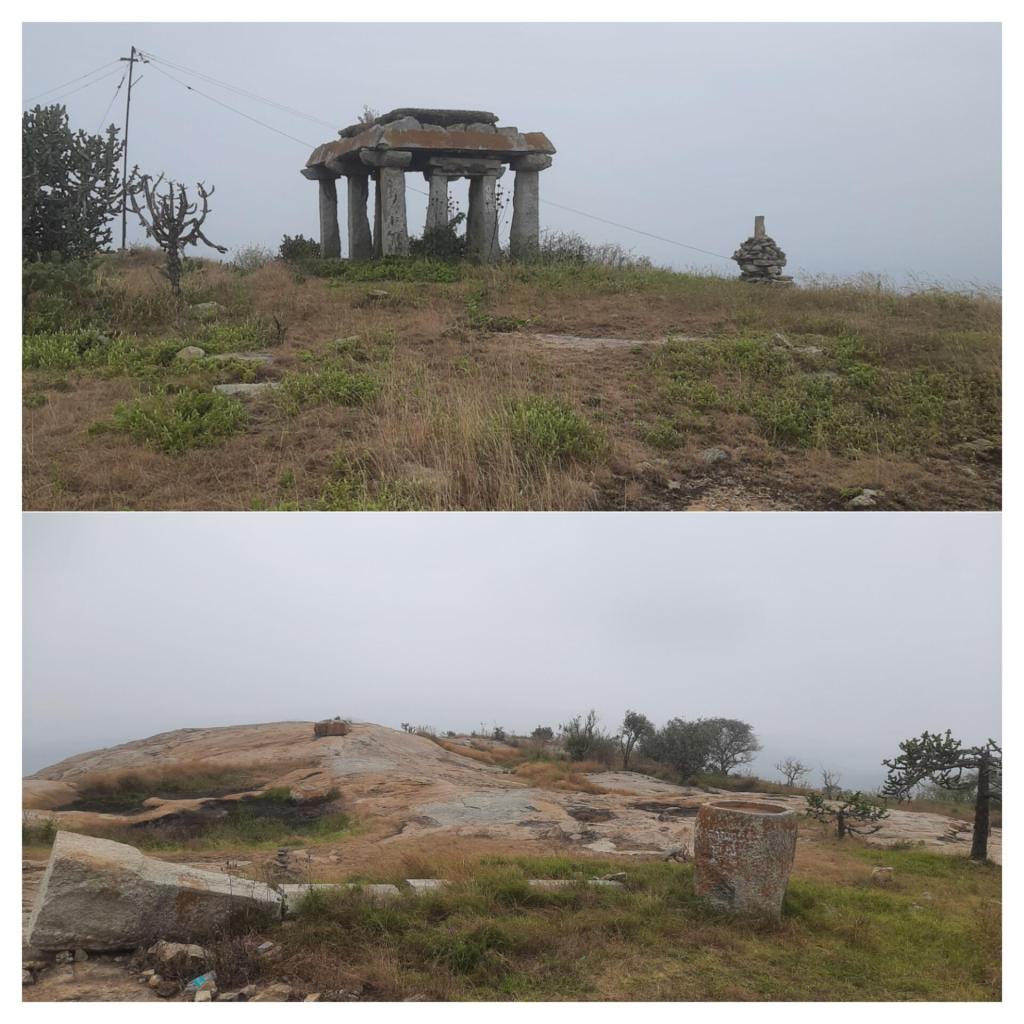
At the top, there were massive cacti plants dotting the area around an abandoned ancient temple structure. Only the pillars remained with the tall Garuda stambha lying down on the side and a stoneware that appeared to be an urn or a waterpot. Some previous visitors to this place had written ‘Someshwara Swamy Temple’ on the stoneware pot for our reference. We rested beside the temple on the large open rock bed overlooking the landscape. The gentle wind caressed our faces while we watched the hills appear one by one at a distance amid the clearing fog.

Ankushagiri Fort and Perumal Temple at Tamil Nadu
The ruins of Someshwara Swamy temple at the peak of Ankushagiri fort

After relaxing for a while and munching on some fruits and nuts that we had carried with us, we proceeded toward the next part of the hill. The trail was beautiful with a rocky gorge on one side and huge cacti lining the path on the other. There, we arrived at a single electric pole that stood in the middle of a heap of ruins of what appeared to be an old fort. Although a circular marking can still be seen to date, only a few large pillars, a few hero-stones like inscriptions, and a couple of kolam designs engraved on the floor were all that existed for us to decipher what might have been the real grandeur, expanse and the purpose of the structure there. Almost little to no history is available to us about who or how this place had served.

Ankushagiri Fort and Perumal Temple at Tamil Nadu
Ankushagiri Hike

Anyway, it was a very interesting outing for us to explore a place so lost in an area where we were the only humans in kilometers around us. We spent ample time there before descending back to the base. We photographed several other patterns on the rocks before arriving at the same bushy junction where we had chosen to take the random path for our ascent.

Upon our return, we paid a quick visit to the Perumal temple before heading back to the city.

Three immersive cultural experiences in Bengaluru

Despite being a cosmopolitan hub, Bengaluru is a metropolis that still firmly holds onto its cultural essence. There may be several festivals being celebrated year-round and across the city but a few of them transcend beyond any religion and community and are rather synonymous with the city’s name. Through this post, I would like to enumerate three such festivals that must be on any Bengaluru resident or tourist’s list of experiences whilst in the city.

    This nine-day festival is a reverence to Adishakti Draupadi and a celebration of her annual homecoming to earth from heaven, on the day of Chaitra Poornami as per the Hindu calendar. Although a main festival of the Thigala community living across Karnataka, people of all castes and religions participate in it. The Karaga bearer (the chief person in the festivities) carries the Karaga (the deity) bedecked with jasmine flowers and begins the procession from Shri Dharmaraya Swamy temple in Nagarathpete, in old Bengaluru. The Karaga bearer is accompanied by the gante dhaari (bell bearer) and hundreds of veerakumaras who together traverse across the streets of the Bengaluru Pete area. The Karaga visits all the temples and the Mastan Saheba Dargah that come along the route until they return to the Shri Dharmaraya Swamy temple before dawn break the following morning.

    Though the festival is observed for nine days, the rituals involving the Karaga bearer spans over several months prior to it. One part of the ritual involves the Karaga bearer undergoing his strength and weight training at one of the several Garadi mane (traditional gyms). Hence, these Garadi manes are considered holy places where replicas of the Karaga and placed and worshipped during the festival. Also, several temples located in the Pete area take out floral palanquins of their deities on procession across the streets of Pete. All these things make Bengaluru Karaga, a special experience.

    Similar Karaga festivals are observed in outskirts of Bengaluru like Hoskote, Kolar, Malur etc. But Bengaluru Karaga is one of its kind and experiences.

    Bangalore’s reputation as a garden city finds a reflection in various traditional festivities of the city. Just as flowers are integral to Karaga, there is another famous festival that has flowers in its very name. The ‘Poo Pallakki Utsava’ is an annual car festival celebrated as part of the Someshwara temple festival in the old locality of Ulsoor. Albeit being a temple festival, it is rather better known as an annual competition between gods and goddesses from temples in and around Ulsoor over which one arrives in the best flower-bedecked palanquin. The car festival is believed to be the wedding day of Someshwara with Kamakshi, and flowers are the theme of all decorations.

    There will be over 80 poo pallakkis from the surrounding temples who attend the wedding celebration of Sri Someshwara Temple with Goddess Kamakshi. The grandest Poo Pallaki is one of the bride, Goddess Kamakshi. Celebrated annually during the Hindu month of Chaitra (around April/May), it is a night long event.

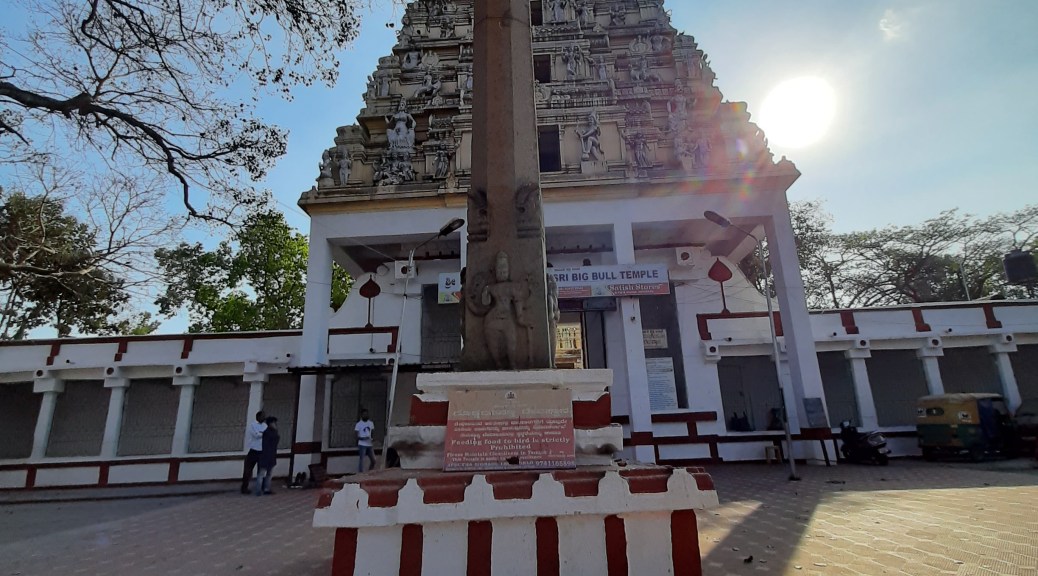
    ‘Kadlekai Parishe’ translating to ‘groundnut fair’ in Kannada is an annual coming together of farmers on the last Monday of Karthika Masa (month in Hindu calendar) celebrated since the 16th century. Legend has it that a raging bull used to damage the groundnut crops that were ready for harvest. The farmers prayed to Basava (bull in Kannada) to protect their harvest, by setting up an idol of a Nandi (Basava / Bull) and a temple at that place and offered their first crop to the Lord. This temple is called Basavanagudi (Bull temple) and the area surrounding it eventually came to be known by the name of the temple.

    Although the groundnut farms made way to residential and commercial structures, the tradition of the groundnut fair is celebrated with great fervor and enthusiasm even today. Farmers from across the state bring their first yield of ground nuts to offer to the temple and to sell them to others during this festival.

    More recently, a similar event is being organized in Malleswaram, around the Kadu Malleswara temple as well.

      A weekend hike from Bengaluru- Akkayammana Betta

      On a random day, we decided to drive towards Kempegowda International Airport with a basic idea to catch the sunset from a nice vantage point. We have explored the Devanahalli fort area on one of our previous day trips and wanted to explore some new places around there. But this time, we had a new family member along with us whose comfort was also meant to be kept in mind while choosing the destination- Our pet dog.

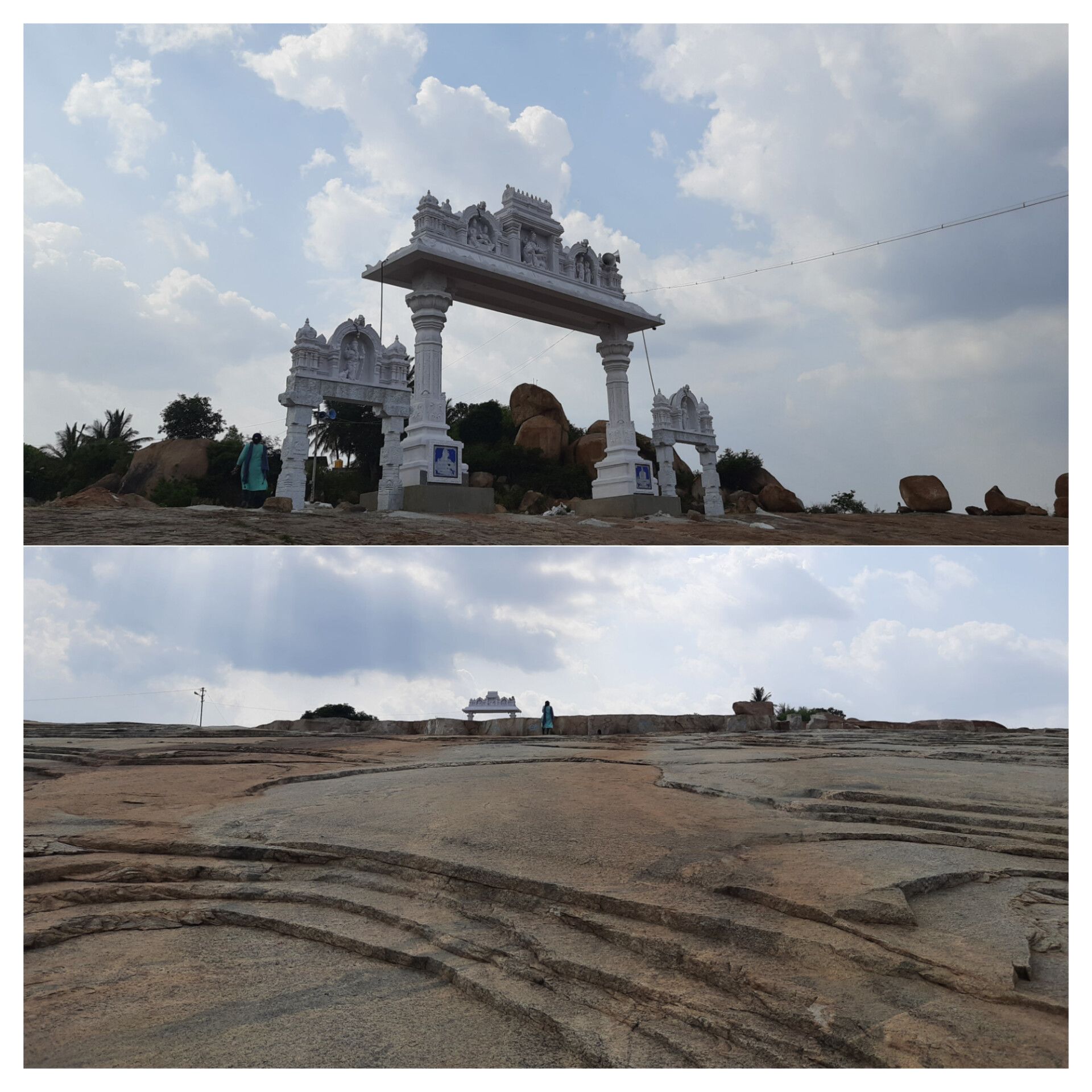
      By looking up a little on google, we came across the sunset point from ‘Akkayammana Betta’. We drove up right until its base where we parked our car and unleashed our dog to freely walk up the small hillock with us. The climb up was easy, leading to a welcome arch of the hilltop temple.

      Akkayammana Betta
      The climb and the welcome arch to Akkayammana Betta

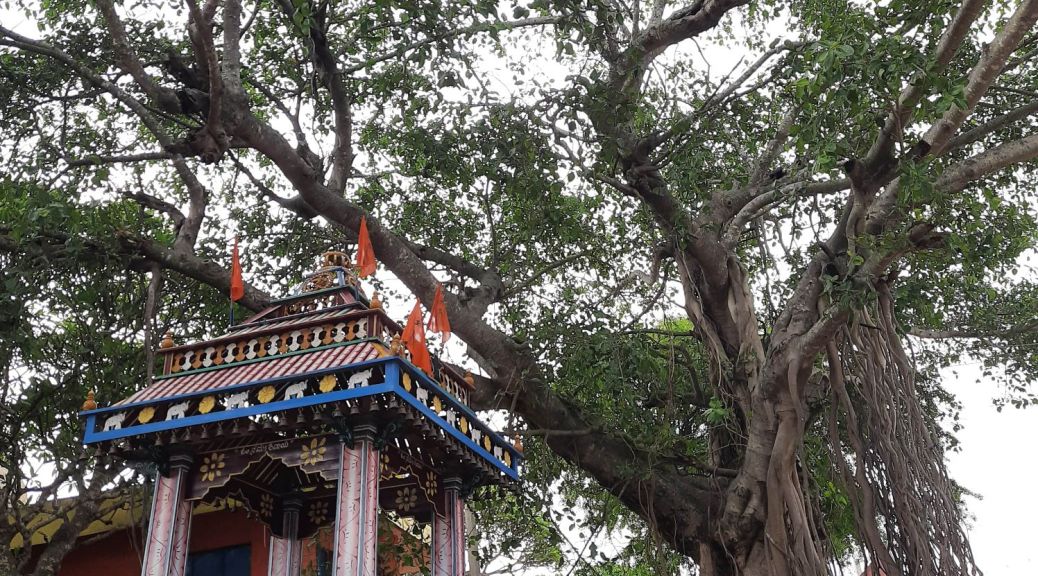
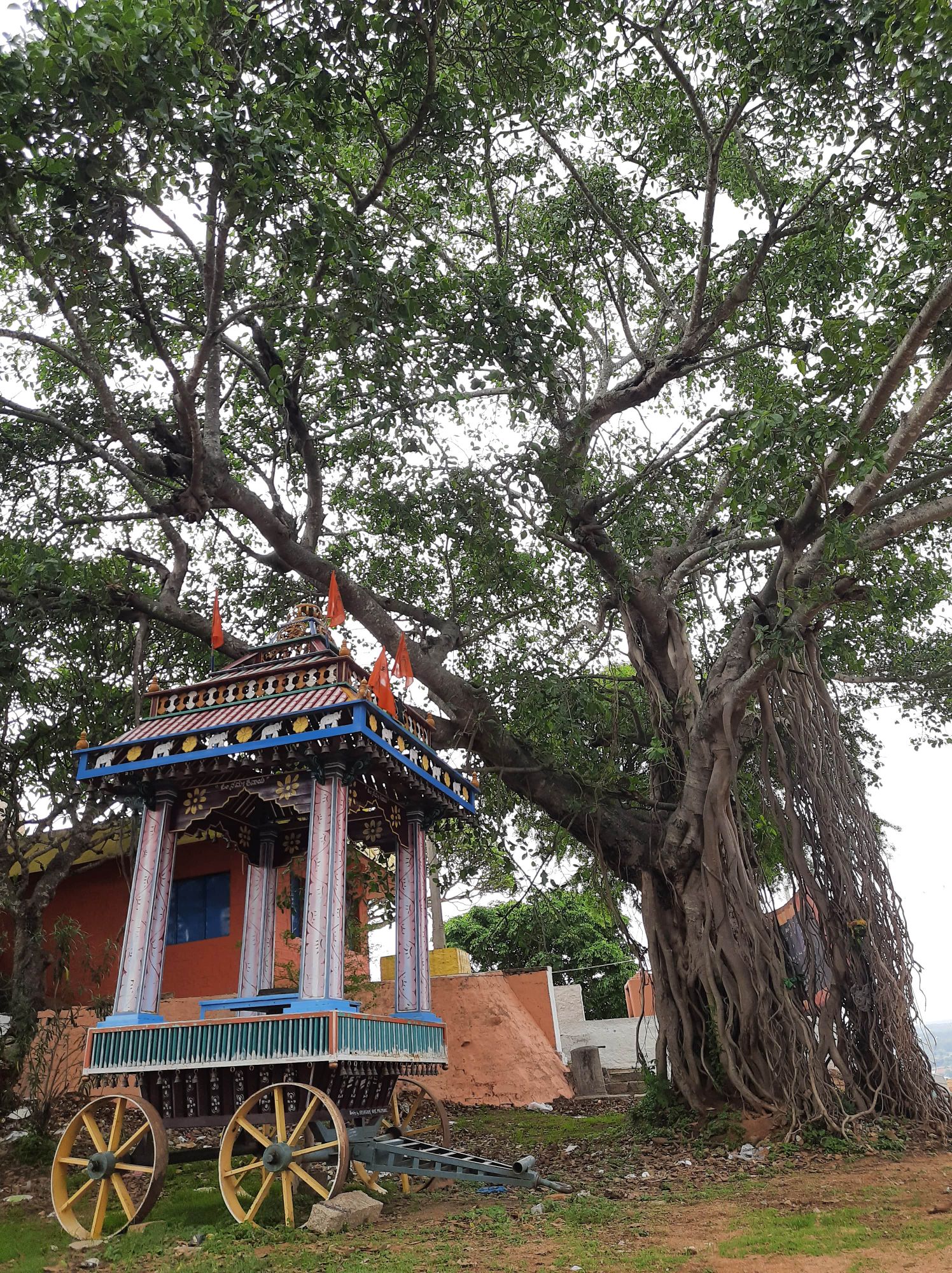
      We walked further and reached a small temple under a large peepal tree that remained closed at the time of our visit. Beyond that was a large rocky tabletop hill offering a view of the surrounding villages and farms.

      Akkayammana Betta
      The temple and the wooden cart at Akkayammana Betta

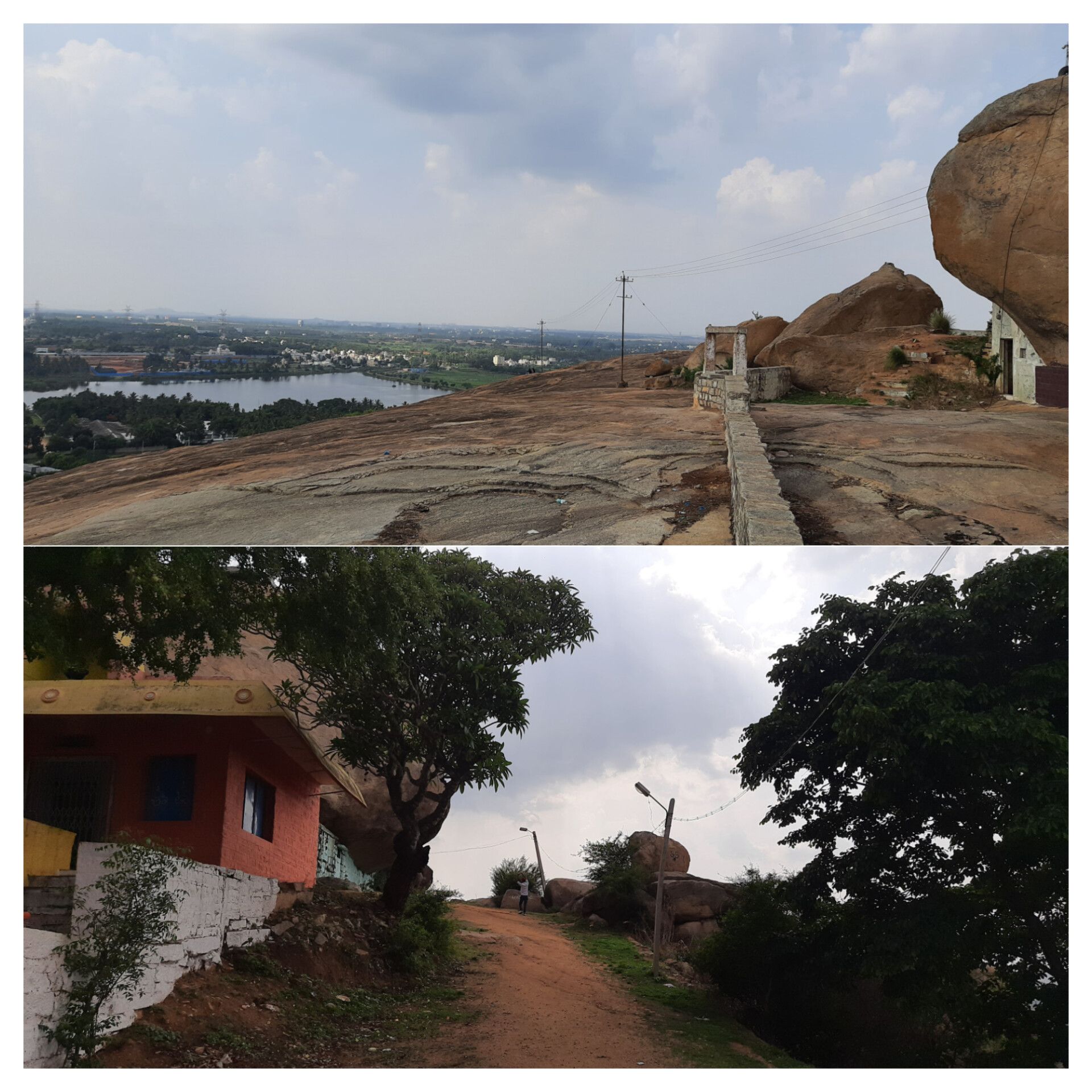
      While our dog got busy enjoying his time in a puddle of rainwater, we comforted ourselves on the rocky ground watching him enjoy his dip as the sky was prepping itself to see-off the setting sun for the day. Until sunset, the airplanes landing and taking-off at the KempeGowda International airport kept us accompanied. It was a beautiful sunset.

      Akkayammana Betta
      The route from the temple to the hilltop view point at Akkayammana Betta

      After that, we took a walk from across the hill and passed by a few other smaller shrines at the top before descending towards our car. As we approached the temple arch, I noticed a petty shop that sold some eatables and soft drinks. We took a small snack break and fed biscuits to the stray dogs that had followed us. We reached back to the car before it got dark and headed back towards the city, thus ending a short day-out.

      A daytrip from Bengaluru- Adi Chunchanagiri

      Adi-Chunchanagiri mutt is the spiritual headquarters of the Natha Parampara and Jogi Cult of Hindus of Karnataka. My dad, who had earlier visited this place with his friends, happened to insist on going there again with his family. His intention was not to take us on the spiritual path but rather to introduce us to a hiking path which he found picturesque after having ascended.

      One Saturday morning, our family set forth to enjoy this day trip towards Adi-Chunchanagiri. We drove towards Hassan, along an excellent highway until Bellur cross from where we had to take a deviation towards Adi-Chunchanagiri betta (hill) as indicated on google-maps. There on, we enjoyed our drive through the countryside, with traditional homes scattered between vegetable farms, coconut groves, and forest patches of brown boulders and green trees. Google is not always right and that’s why we deviated from the course a little more than necessary until we found the correct track again. But it was the deviation which we enjoyed. We realized that the region is declared as Adi-Chunchanagiri peacock sanctuary. It was no surprise that dozens of peacocks were grazing freely on every other farm, moving around at every turn of the road and everywhere else along our way right until we reached the parking lot at the base of the Adi-Chunchanagiri hill.

      Adichunchanagiri
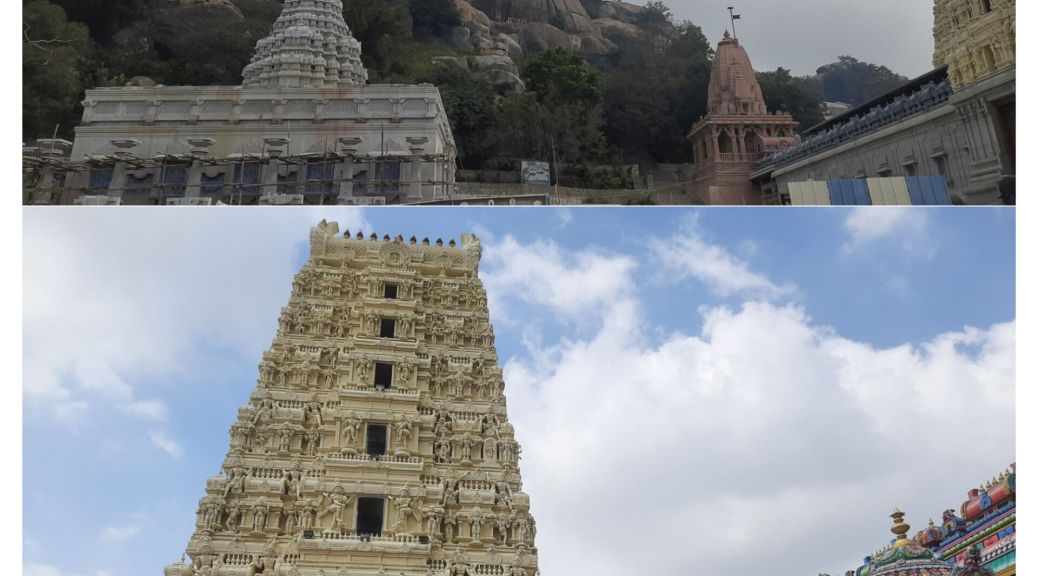
      Top: The first glimpse of the Adichunchanagiri premises; Below: The entrance tower of the main temple

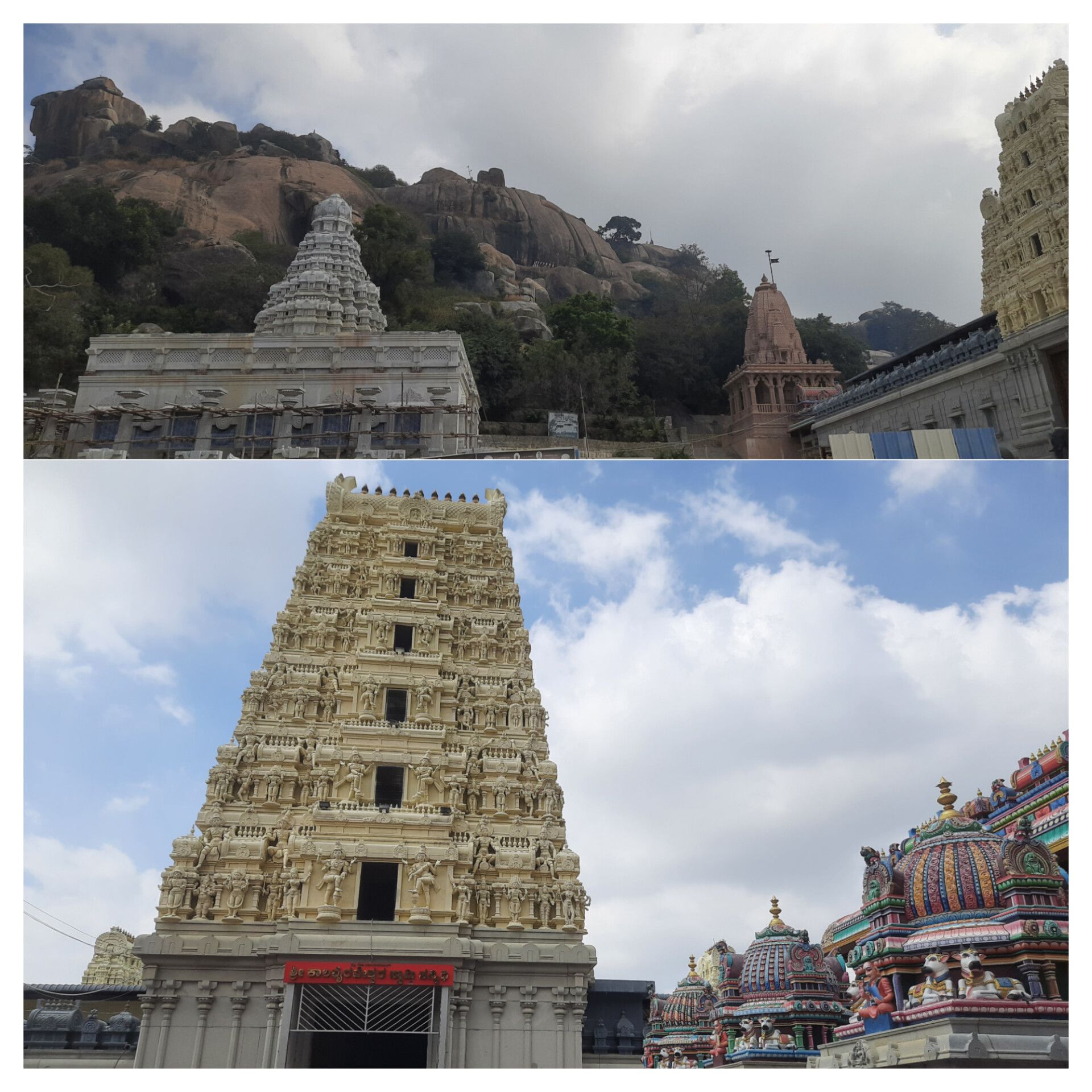
      The initial approach towards the mutt premises starts with an ascent of about 100 steps leading to the welcome gate/ arch giving a visitor the first glimpse of the main temple. The large doors of the main temple opened into an ambience that felt divine and calm. It is entirely built with stones, and it gives a feeling of being in one of the ancient Dravidian temples though this one was built in modern times. The deities believed to be residing inside and revered highly by the pilgrims here are Sri Kalabhairaveshwara Swamy and Sri Stambhambika (Kambadamma).

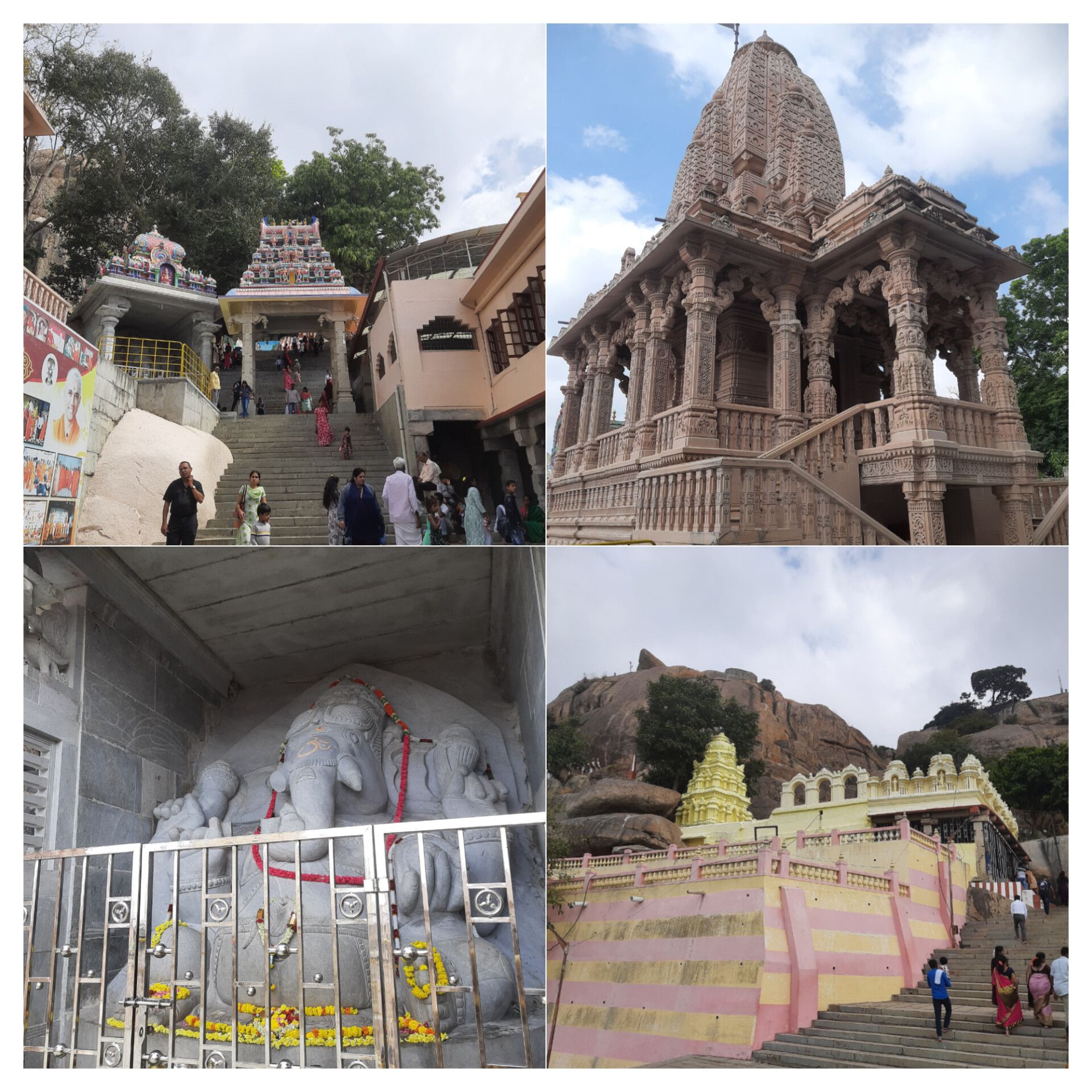
      After sitting there for some time, we began our ascent towards the peak of the hill. Just after coming out of the main temple, there is a large Ganesha idol sculpted out of the rocky wall of the surrounding. We continued our climb by passing by some smaller temples with a look around offering beautiful views of the green cover.

      Adichunchanagiri
      The temples and shrines at the Adichunchanagiri hill

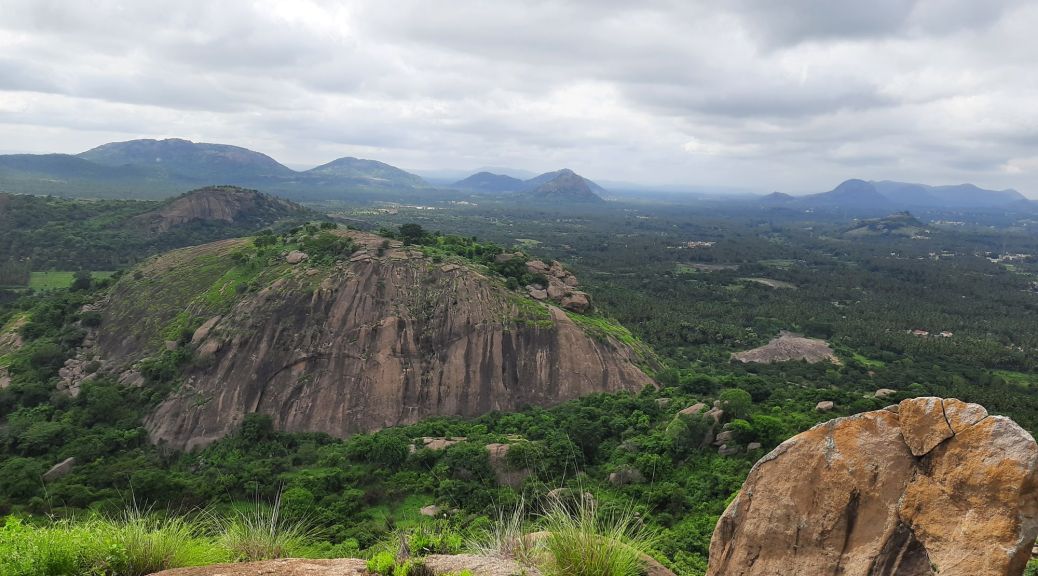
      Scores of people were seen climbing up and down for pilgrimage purposes. The climb to the hilltop is done to see the Panchalingas comprising Gangadhareshwara, Malleshwara, Katthale Someshwara, Gavisiddeshwara and Chandramouleshwara, whose temples or shrines are scattered along the trail leading to the summit. But we were there to hike that hill as a recreational activity for the weekend. We climbed up the steep stairs right up to the top with the trail splitting at random places. My family ended up getting lost from each other’s’ sight and then picked whatever trail lied ahead of us and met each other again at the top. Well, not the peak exactly, but just beneath it.

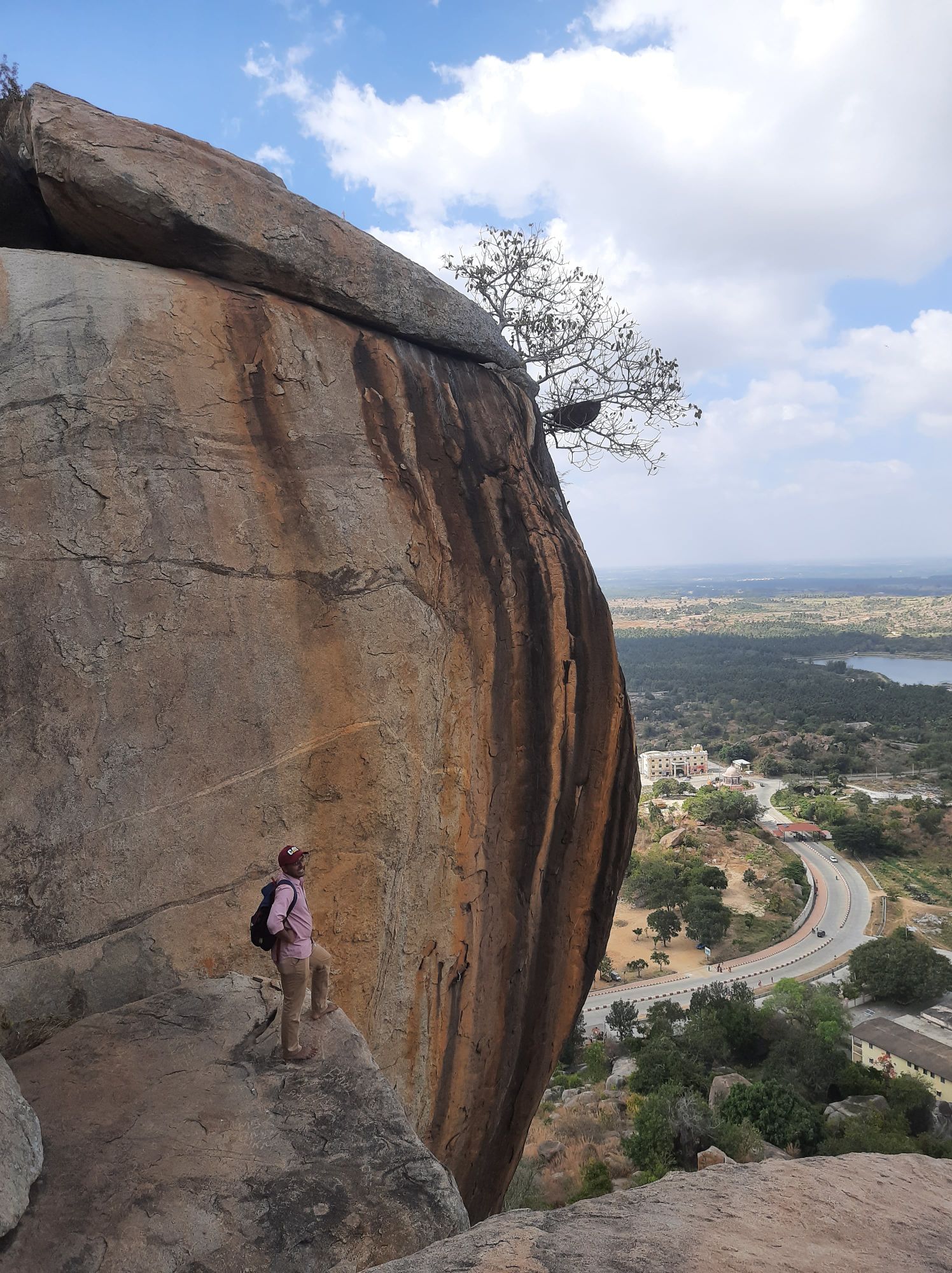
      That’s where I gave up any further climb. The peak point of the hillock is known as Akasha Bhairava. It can be reached by climbing the last bit of the rocky hill which had no stairs but only with the aid of a big, suspended metal chain. It was a straight climb (almost 90 deg. gradient) which included a small jump from one rock to an another. I doubted my ability to descend safely even if I were able to reach the peak. My brother, on the other hand, climbed it up and down with so much ease (and grace) demonstrating that he still possessed his ancestors’ (apes) strongest traits.

      Adichunchanagiri hill
      The view from the top where I was standing beneath the last rock which leads to the peak

      After he returned, we all came down towards the main temple where we were guided towards the dining hall. We devoured the delicious temple food before heading back towards Bangalore.

      We started back just after lunch to avoid the weekend traffic at Bangalore. But, if you are interested to cover more places in this day, you can google for some of the Hoysala temples along your way and add it into your itinerary.

      A day hike from Bengaluru- Kunagalu Betta

      My friends and I picked yet another hill-top around Bengaluru for a day hike. ‘Kunagalu Betta’ on Kanakapura road, it was. We reached there early in the morning before the rest of the world discovered it (for that day). The car could go on to most stretch of the steep road until we parked it beside a small structure built for lord Hanuman by the roadside, under a large rock.

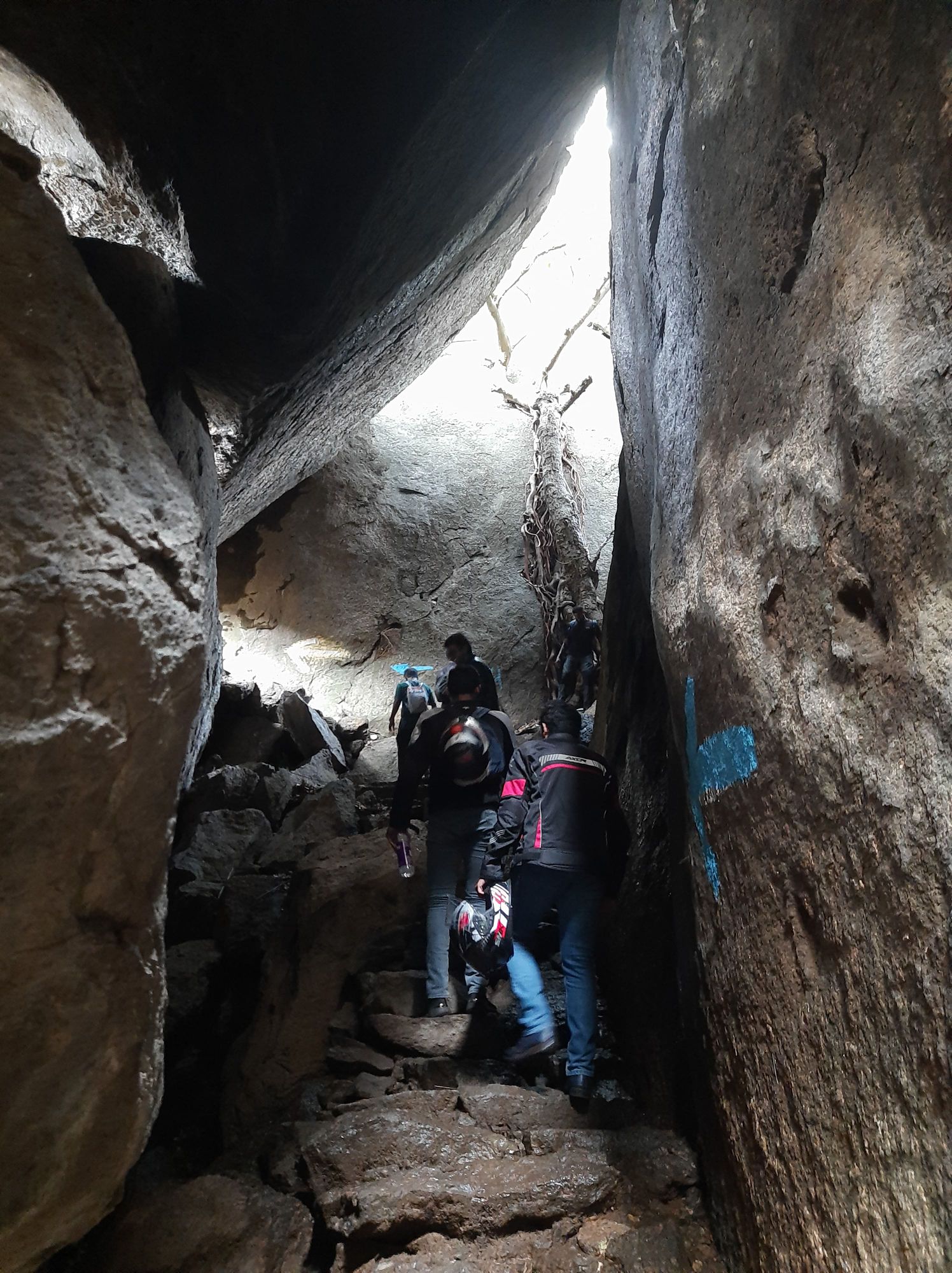
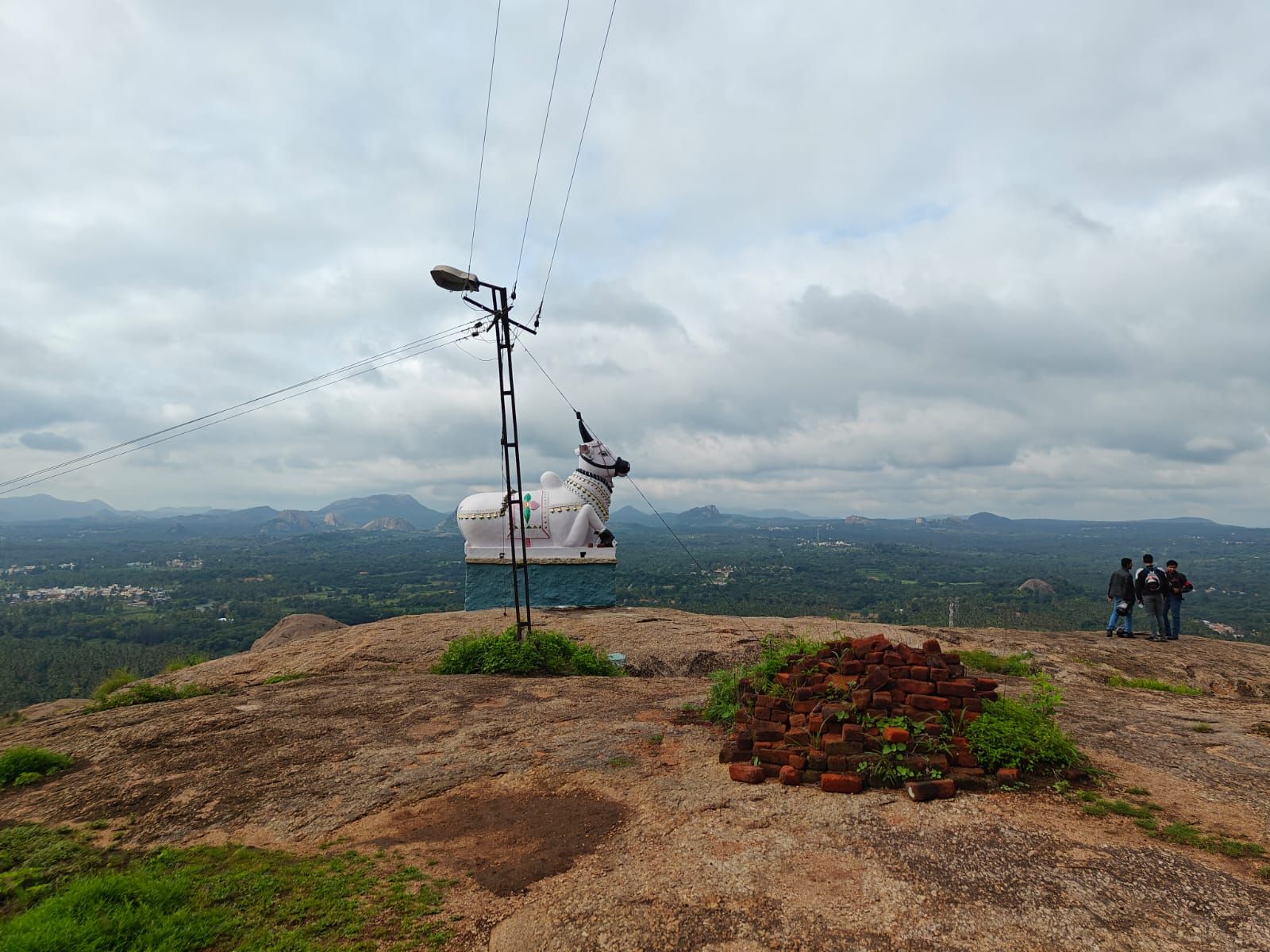
      We started our hike uphill where the route was lined with several trees of custard apples for most stretch. After a kilometer of so, we came across a large rock that formed a cave-arch-like structure that kept the atmosphere inside very cool. After climbing out of the arch, it opened into the sky above a flat hill-top that offered a beautiful view of the other hills around. Do you remember my hike to Acchalu betta, where we went to find a statue of a Nandi on the hill-top? (you can read that story here). A similar Nandi was erected on this hilltop also, which was then overlooked by an ancient temple further atop a rocky outcrop from there.

      The Cave like formation at Kunagalu Betta

      To reach there, we crossed a small wooden brook formed out of a tree branch and then climbed to the peak where the temple stood. We sought the almighty’s blessings which mark the end of the ascent of the hike for most people. We had barely climbed a kilometer and half, and it didn’t feel like a hike yet considering we had done longer trails even on day trips. The breeze was cool, strong and yet soothing and hence, we decided to sit there and spend some time feeling the wind in our hair.

      Kunagalu betta
      The Nandi Statue atop Kunagalu betta

      We then looked around and decided to find our own way to the adjacent hill from there. We climbed down the temple hill and climbed up the adjacent one. We again climbed it down and navigated our way through thick bushes and thorns to ascend yet another small peak. On that peak, we got a sense of getting lost if we tried to explore more hills because at that point, we were the only people and there was no trail that had worn out to lead us anywhere if we were lost. We descended that hill and were trying to find the direction that would lead us back to the temple.

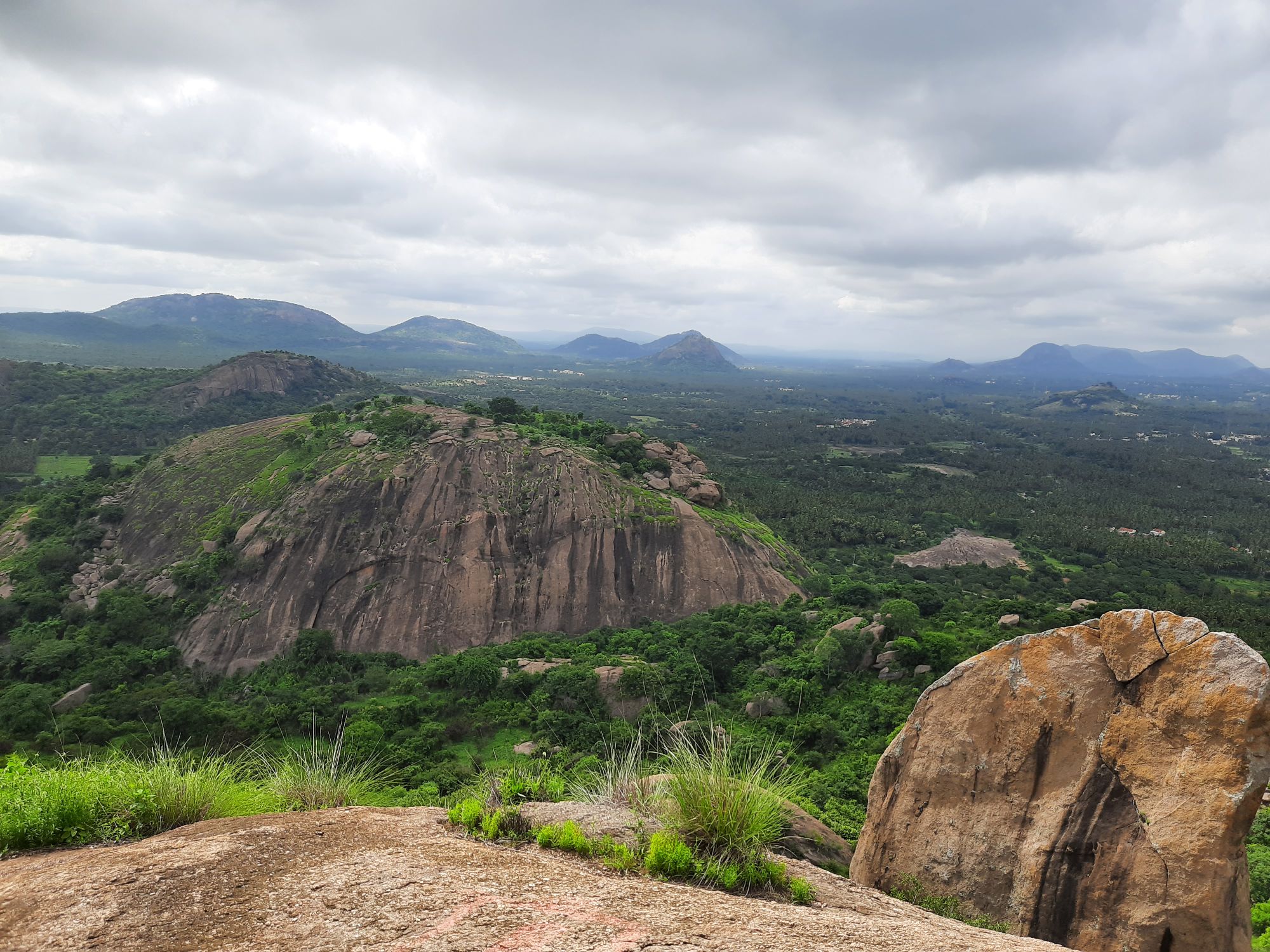
      Kunagalu Betta Peak
      The view from Kunagalu Betta peak

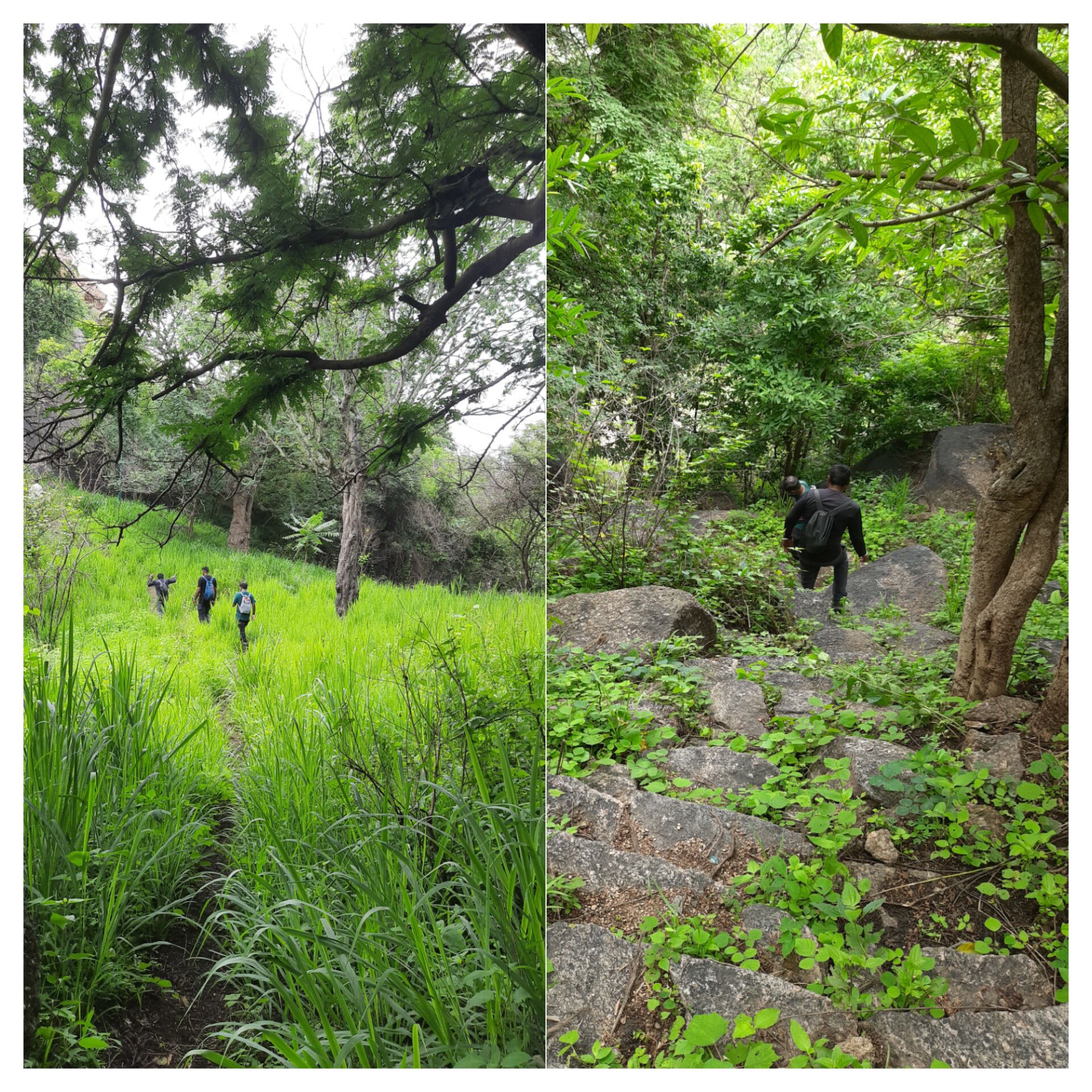
      Just then, our eyes caught a small slope in a random direction and all of us decided to explore one last random trail before heading back. We walked in that direction where the tall grass seemed to need some wear. We walked down further and suddenly out of nowhere; we were in for a surprise. There was a flight of stairs chiseled out of the rocks which was leading downwards. Finding stairs out of nowhere was a surprise, but what assured us was that the stairs would lead us somewhere interesting. Perhaps an abandoned piece of history? We thought as we headed in that direction.

      Kunagalu Betta
      In quest to explore the lost history at Kunagalu Betta

      The grass laden stairs quickly cleared up to the view of a dozen motorbikes all parked side-by-side. That’s when we realized that we had already reached the parking lot. We had found a shortcut on our quest to explore random trails in random directions. Thus ended our quick hike to Kunagalu Betta. I picked up a bag from the car and tried to pluck as many custard apples as possible before heading back.

      In conclusion, it was a short and easy hike. You can combine it with Acchalu betta or any other hike on Kanakapura road and make it a full-day activity.

      A day exploring Lake Pulicat and its heritage

      This story is from quite some time ago. My friend was tracking the arrival season of the flamingoes at Pulicat lake. He had an acquaintance of a Mr. Illaiyaraja, a fisherman who lived in Pulicat village. Through him, we got regular updates on the arrival of these seasonal beauties (flamingoes) who flocked to the brackish lake during their migration period. Meanwhile, our family was planning a drive to Sriharikota, to watch the launch of Chandrayaan 2. That’s another story altogether, you can read it here.

      A week prior to our road trip, Mr. Illaiyaraja telephoned my friend and told him, “Anna, flamingoes vandichi.” loosely translating to “Brother, the flamingoes have arrived”, in Tamil. So, a drive to Lake Pulicat became a part of our road trip as well. Our family took our old reliable friend (Our Tata Indica) out on the road and prepped it for the long road trip. It was as if time was bringing all things together in our favor. The flamingoes had arrived, the rocket was set for its launch and the roads were calling us.

      Pulicat village gets its name from Lake Pulicat, the second largest brackish water lagoon in India on whose banks is this tiny fishing hamlet. The lake itself is so vast that it is spans across Andhra Pradesh and Tamil Nadu. We approached Pulicat from the Tamil Nadu side. After exploring all the places enroute, we parked our car at the entrance of the village and walked by following google maps to the location where we were supposed to meet Mr. Illaiyaraja. With a can of diesel in his hand, he led us to his wooden boat anchored at the jetty. We boarded the boat with him and set off on an unforgettable experience of sailing on a sea-like vast lake, to see.

      The birds at Lake Pulicat

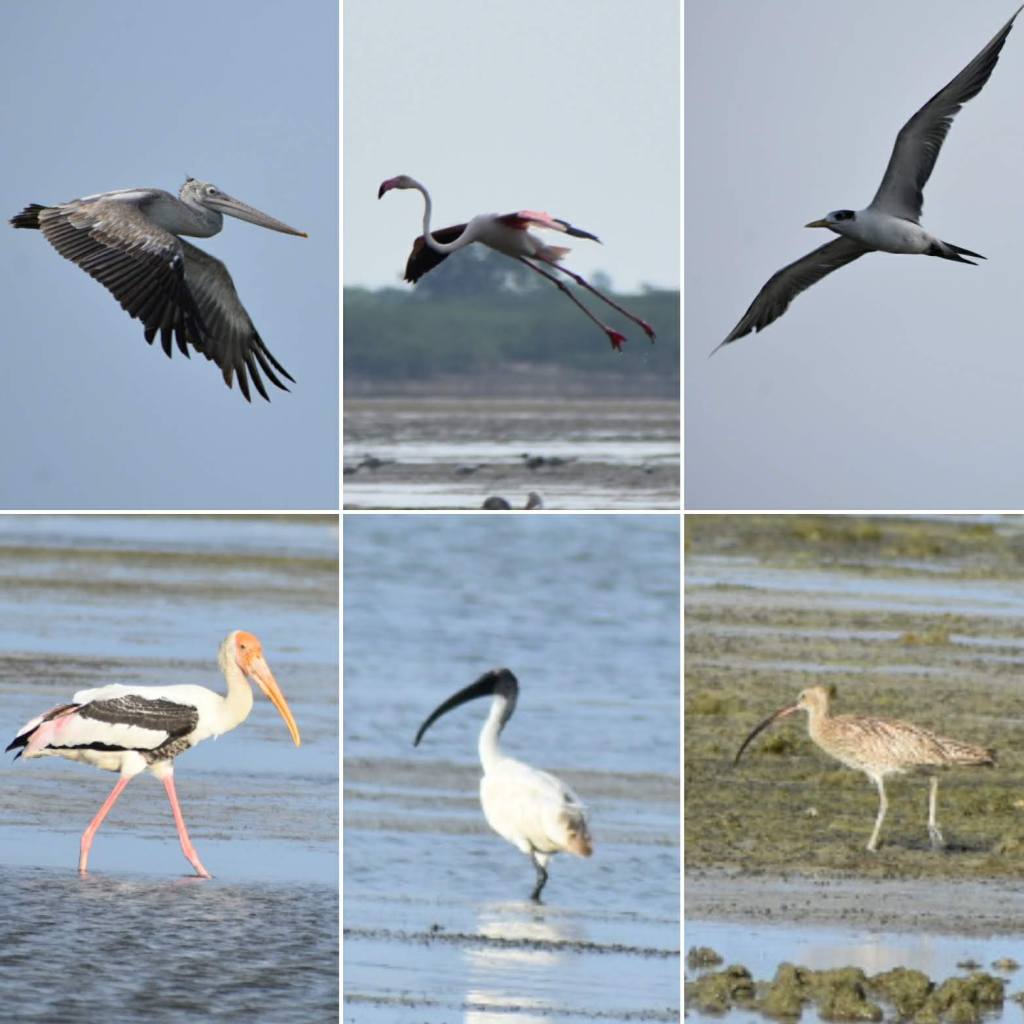
      Aquatic birds and shore birds that had migrated down from far across the globe birds to the Pulicat lake birds’ sanctuary. Pelicans, painted storks, kingfishers, herons, spoonbills, egrets, ducks, terns, gulls and several other species hovered on and off around us. But the peace within us came when the sound of the motorized boat came to a mute and there was an endless visual of the lake merging with the sky in a shade of ‘pink’. The greater flamingoes nesting peacefully in an unexplainable size of the flock. We spent quality time just watching them for a good hour or so before the sun started to turn the sky in hues of red.

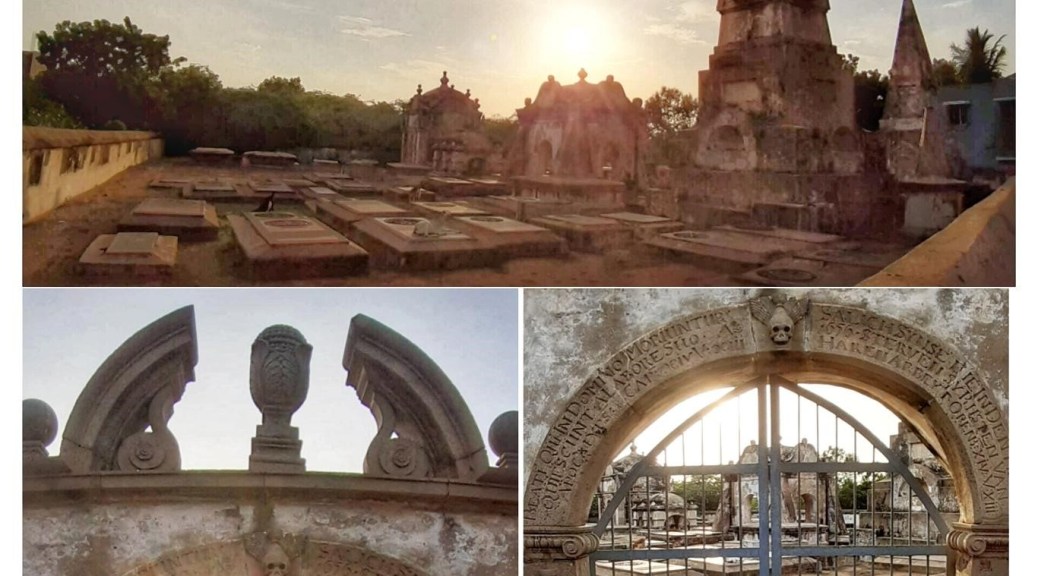
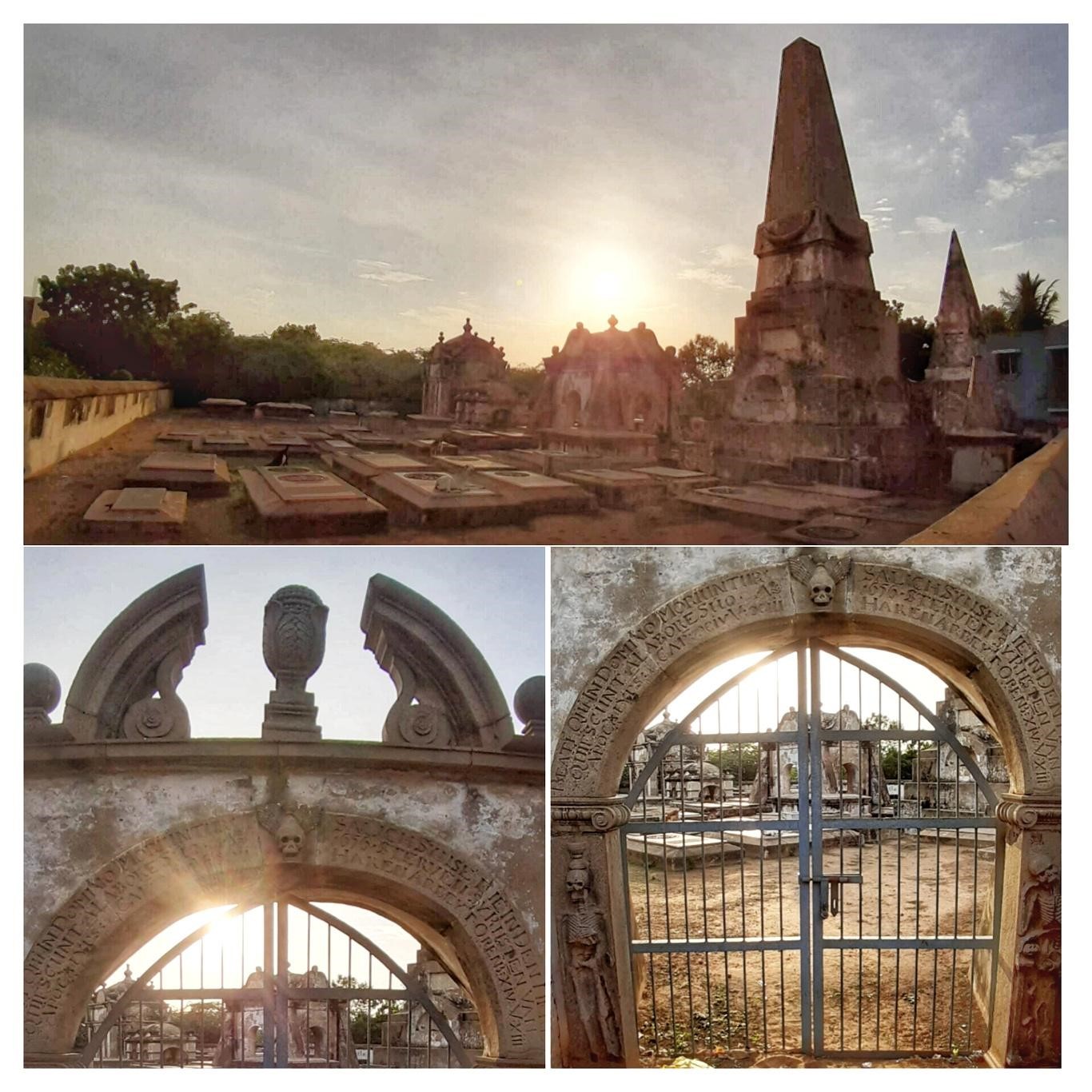
      We returned to the bank and continued to drive in the direction of Sriharikota. While we were exiting from the village and were at a traffic signal waiting to enter the highway, my eyes fell on an interesting but ignored piece of construction by the roadside. I decided to go near and noticed that the entry gates were locked. The architecture style was different than anything I had seen before in the region and some strange alphabets were engraved on its entrance arches. Although interesting, it still seemed eerie and gave me some sense of it being an old, abandoned site of a graveyard. Since it was locked, I clicked a few pictures of the place from outside and returned to the car and continued our drive to Sriharikota.

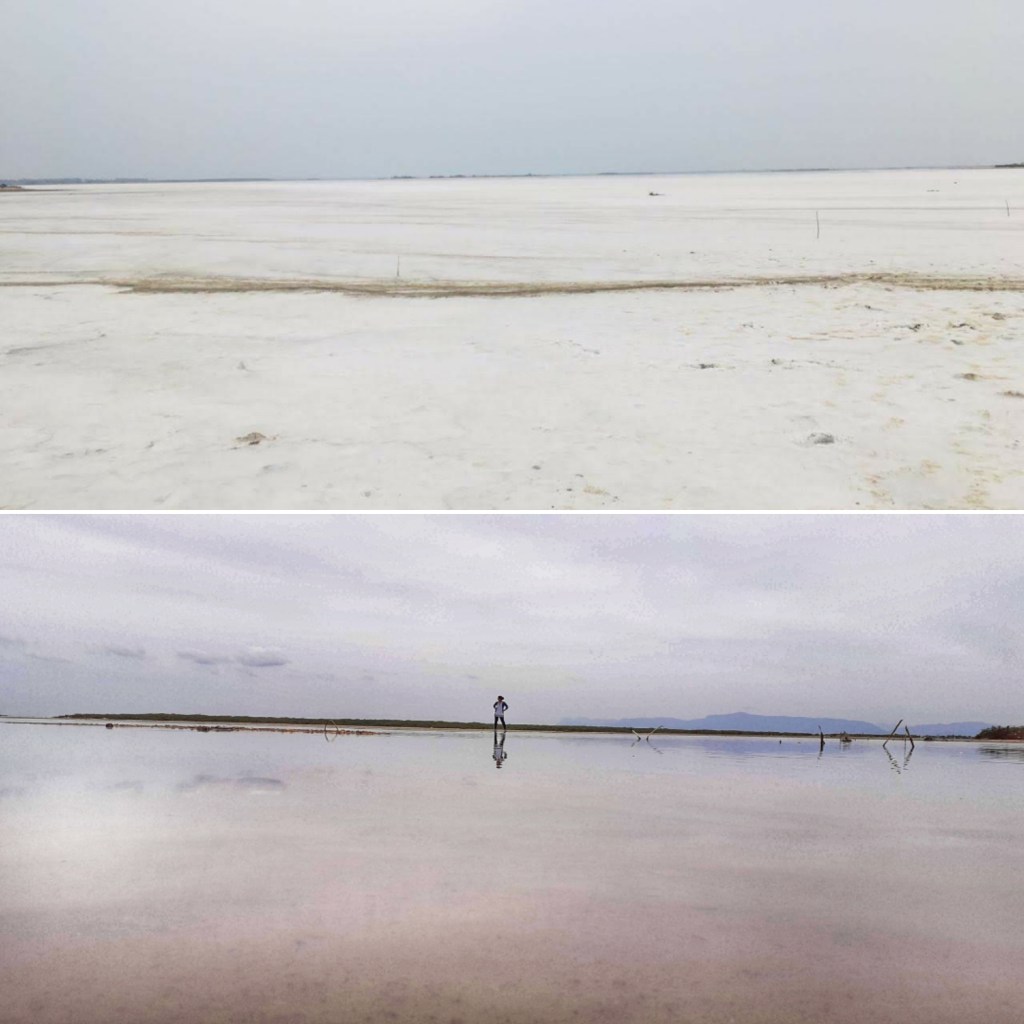
      Top: Lake Pulicat enroute to SHAR in winter; Lake in Summer

      When I looked it up on the internet, I found some interesting information about that old site I had just visited. There are about five main settlements dating back to the Dutch era across India namely at Gujarat (Surat), Kerala (Cochin), Andhra Pradesh (Machilipatnam), Tamil Nadu (Pulicat) and West Bengal (Hooghly) where forts or cemeteries can be found. This day, I had visited a Dutch cemetery which used to be a part of Fort Geldria or Fort Geldaria at Pulicat. Pulicat was the seat of the Dutch Republic’s first settlement in India, and the capital of Dutch Coromandel. This fort was the only fortification in the Indian empire whereas all other positions of the Dutch Company were trading posts. today, this cemetery houses about 76 tombstones, mostly carved in the Netherlands.

      Dutch cemetery
      The Dutch cemetery at Pulicat

      It is interesting how I came across a random site that holds so much historical importance in India’s history of colonization and it is also unfortunate that how inaccessible or neglected are these sites that holds stories of an era bygone. Thus, the sun had set on Pulicat ending our quick visit to this lakeside settlement.

      getting lost in traveling through places and time…