Tag Archives: Indian festivals

Three immersive cultural experiences in Bengaluru

Despite being a cosmopolitan hub, Bengaluru is a metropolis that still firmly holds onto its cultural essence. There may be several festivals being celebrated year-round and across the city but a few of them transcend beyond any religion and community and are rather synonymous with the city’s name. Through this post, I would like to enumerate three such festivals that must be on any Bengaluru resident or tourist’s list of experiences whilst in the city.
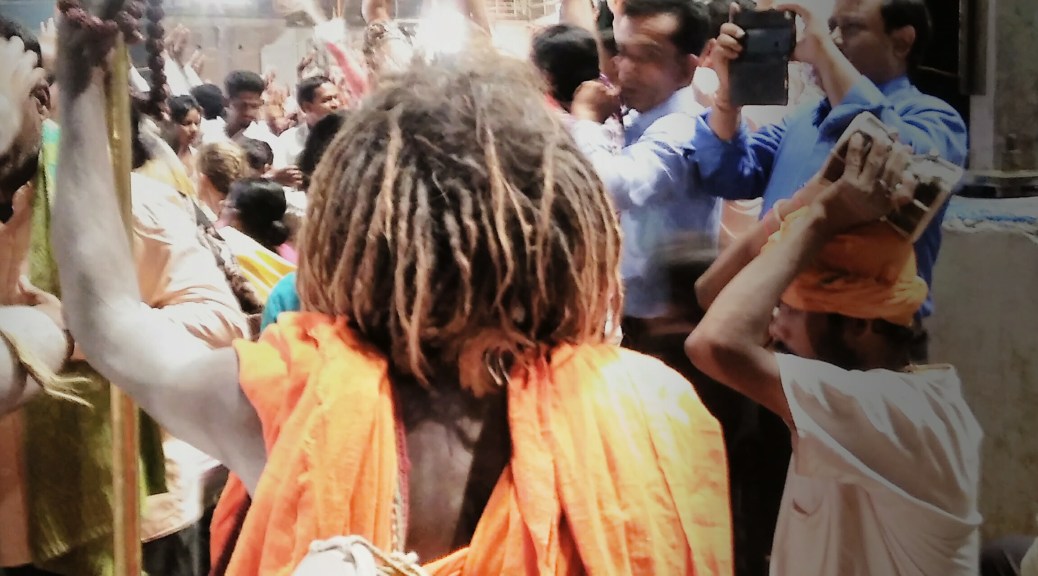
    This nine-day festival is a reverence to Adishakti Draupadi and a celebration of her annual homecoming to earth from heaven, on the day of Chaitra Poornami as per the Hindu calendar. Although a main festival of the Thigala community living across Karnataka, people of all castes and religions participate in it. The Karaga bearer (the chief person in the festivities) carries the Karaga (the deity) bedecked with jasmine flowers and begins the procession from Shri Dharmaraya Swamy temple in Nagarathpete, in old Bengaluru. The Karaga bearer is accompanied by the gante dhaari (bell bearer) and hundreds of veerakumaras who together traverse across the streets of the Bengaluru Pete area. The Karaga visits all the temples and the Mastan Saheba Dargah that come along the route until they return to the Shri Dharmaraya Swamy temple before dawn break the following morning.

    Though the festival is observed for nine days, the rituals involving the Karaga bearer spans over several months prior to it. One part of the ritual involves the Karaga bearer undergoing his strength and weight training at one of the several Garadi mane (traditional gyms). Hence, these Garadi manes are considered holy places where replicas of the Karaga and placed and worshipped during the festival. Also, several temples located in the Pete area take out floral palanquins of their deities on procession across the streets of Pete. All these things make Bengaluru Karaga, a special experience.

    Similar Karaga festivals are observed in outskirts of Bengaluru like Hoskote, Kolar, Malur etc. But Bengaluru Karaga is one of its kind and experiences.

    Bangalore’s reputation as a garden city finds a reflection in various traditional festivities of the city. Just as flowers are integral to Karaga, there is another famous festival that has flowers in its very name. The ‘Poo Pallakki Utsava’ is an annual car festival celebrated as part of the Someshwara temple festival in the old locality of Ulsoor. Albeit being a temple festival, it is rather better known as an annual competition between gods and goddesses from temples in and around Ulsoor over which one arrives in the best flower-bedecked palanquin. The car festival is believed to be the wedding day of Someshwara with Kamakshi, and flowers are the theme of all decorations.

    There will be over 80 poo pallakkis from the surrounding temples who attend the wedding celebration of Sri Someshwara Temple with Goddess Kamakshi. The grandest Poo Pallaki is one of the bride, Goddess Kamakshi. Celebrated annually during the Hindu month of Chaitra (around April/May), it is a night long event.

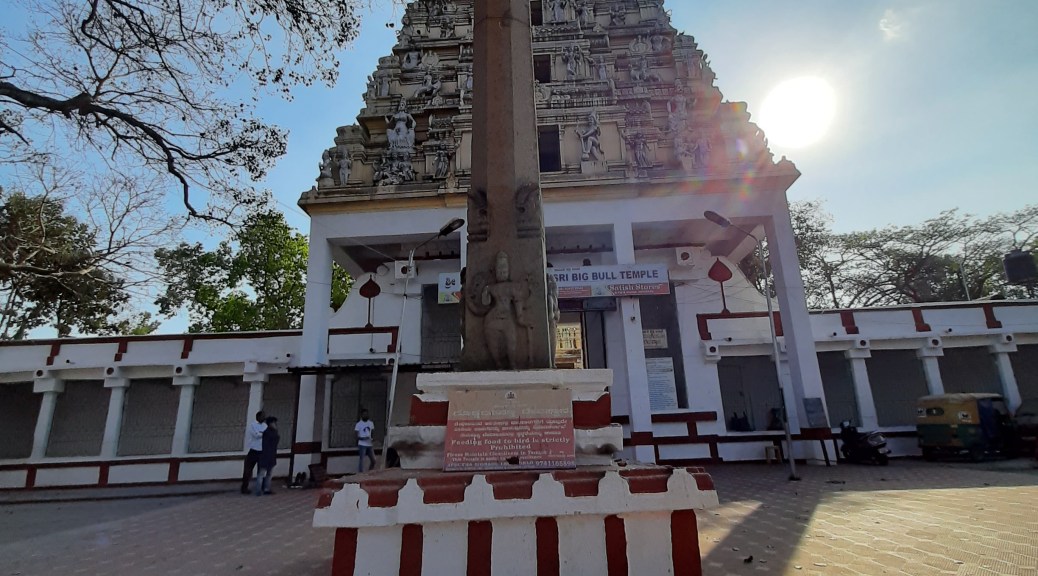
    ‘Kadlekai Parishe’ translating to ‘groundnut fair’ in Kannada is an annual coming together of farmers on the last Monday of Karthika Masa (month in Hindu calendar) celebrated since the 16th century. Legend has it that a raging bull used to damage the groundnut crops that were ready for harvest. The farmers prayed to Basava (bull in Kannada) to protect their harvest, by setting up an idol of a Nandi (Basava / Bull) and a temple at that place and offered their first crop to the Lord. This temple is called Basavanagudi (Bull temple) and the area surrounding it eventually came to be known by the name of the temple.

    Although the groundnut farms made way to residential and commercial structures, the tradition of the groundnut fair is celebrated with great fervor and enthusiasm even today. Farmers from across the state bring their first yield of ground nuts to offer to the temple and to sell them to others during this festival.

    More recently, a similar event is being organized in Malleswaram, around the Kadu Malleswara temple as well.

      A Series- Festivals of Kodagu

      The Kodavas and the other native tribes inhabiting the Kodagu region are primarily nature worshippers. There is no idol worship, and the five elements of nature and the guiding spirits of their ancestors are central to their worship. However, there are several other deities that are associated with the Kodava folklore and the regional culture in general. As per some historians, the worship of Shiva and Parvathi, which is also integral in Kodava folklore, can be attributed to the influences of the Haleri kingdom’s rule.

      “A Mahadeva (Shiva) for each province, Povvadi / Bhadrakali / Bagavathi (Parvathi) for each hometown, Aiyappa for each village, Natha (snake god) for each lane and Puda (indigenous soil lord) for each family,” goes a Kodava saying. In Kodagu, Mahadeva and Bhadrakali are worshipped in temples that are built and managed by the respective villagers. On the other hand, Choundi and Ayyappa are forest dwellers. They mostly live in ‘Devara Kaadu’, the sacred groves.

      Although the chief deities are the same in every province or hometown or village, the way they are worshipped is unique to every temple. The rituals and ceremonies vary depending on the folklore in which its roots are embedded. These stories are compelling and narrate the importance of connections with the motherland and nature worship. Bright colours, earthy music and traditional dances mark these festivals.

      While the main festivals of the community like ‘Kailpodh’, ‘Edamyar’, ‘Puthari’ and Kaveri Sankramana and the older tradition of Nari-Mangala have been well documented through several mediums, it is these indigenous and lesser-known local festivals of Kodagu that I would like to experience and document, one festival at a time.

      I would like to hence, start this series- “Festivals of Kodagu”. The purpose of this series is only for documentation of lesser-known festivals. All the information shared through my series’ posts are based purely on what I could gather by discussing with people who are closely associated with the temple or are natives of each village. My apologies for any wrong representations. Readers are welcome to contribute any information that is deemed important and useful to be shared here.

      1. The abandoned tribes and the abuses- Kunde Habba
      2. The Boad Namme of Chembebellur
      3. The Povvadi Namme of Ibbanivalavadi

      India’s largest Cattle fair- Anthiyur Gurunathaswamy temple

      When a friend mentioned taking a road trip to a fair at Anthiyur village, neither of us had many expectations. What can one expect at a village festival in India, after all? All that we had learnt before commencing our road trip was that it was a cattle fair, which was held as part of the annual festival of the Gurunathaswamy temple at Anthiyur village. Supplemented by a handful of YouTube videos in Tamil, we decided to take the long drive from Bangalore to spend a weekend.

      We started from Bangalore before dawn to reach Anthiyur at the earliest and get sufficient time to see all the cattle stalls before returning. But only to our surprise, the scale of this temple village fair was anything beyond our imagination. Neither of us had seen or heard of a small village festival to be of such a large scale and spread.

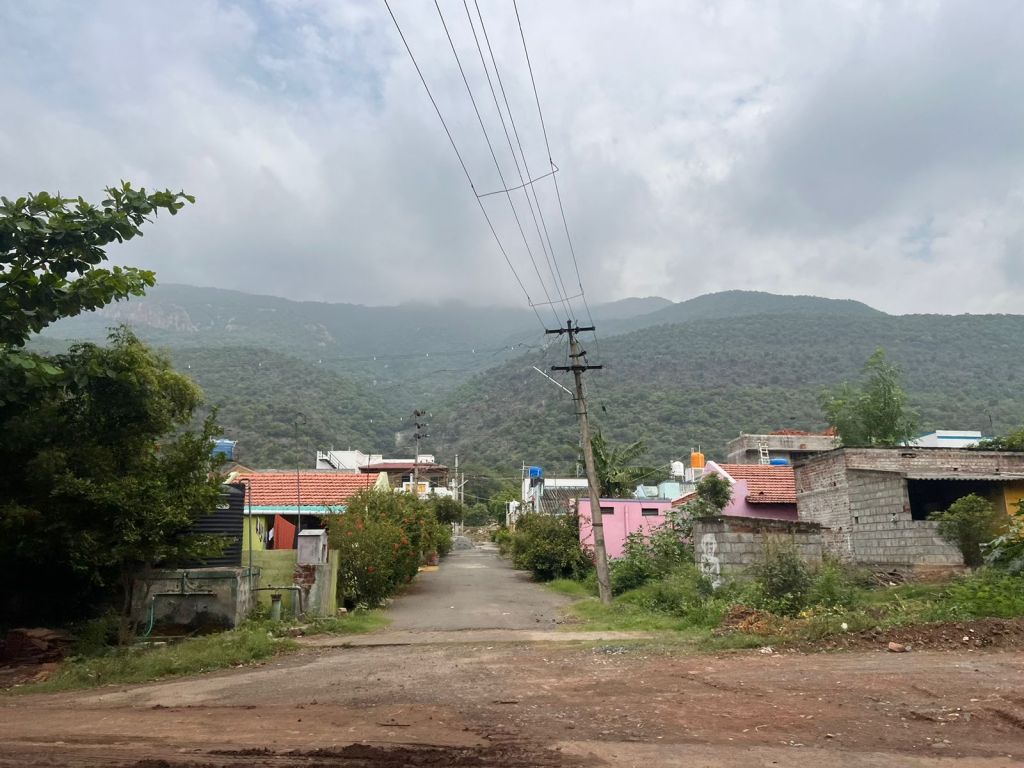
      The beautiful hills around Anthiyur village
      The beautiful hills around Anthiyur village

      The story dates to around 600 years, when there lived a clan near Pichavaram forest, that worshipped three stones known as ‘Kutty Aandavar’ (translates to ‘Small God’, in Tamil). The local ruler wanted to marry the priest’s daughter. However, the priest’s family was against the marriage proposal. Meanwhile, one of the members of the priest’s clan gets possessed by their deity’s spirit, and the family is told to abandon the village along with the three prayer stones to avoid the outrage of the ruler’s anger. Following this, the family started to move north until they found a safe place to settle down. At some point, the family felt that their survival was going to be difficult and that the stones being carried by them were an additional burden. Hence, they continued their journey by throwing the stones into a nearby pond. They halted at Anthiyur for the night.

      On the following morning, Santhakumaran (one of the family members) was surprised to find the same three stones back in his bag. They realized the powers of their deity and resumed worship of the stones by giving them three different names. The first stone was called Kamatchi, the second one was Perumal (Vishnu), and the last one was Gurunatha Swamy (a combination of Shiva and Kantha).

      During the festival, three deities are taken on a procession from the main shrine at Anthiyur village to a temple in the nearby forest. As per mythology, a demon is believed to have occupied the forest in which Goddess Kamatchiamman wanted to reside. A fierce war was then fought between Veerabhadra (the warrior assistant of the Lord, protector of Kamatchi-amman) and the demon, in which the demon eventually surrendered. It is said that instead of leaving the forest, the demon requested lord Gurunathar to allow him to stay there on a condition that Kamatchiamman came there once a year to visit him. However, Veerabhadra agreed to this on the condition that he, too, was allowed to stay in the same forest. This temple is today called Vanakovil (translates to ‘Temple in the forest’ in Tamil), where Kamatchiamman is brought in a palanquin from the main temple.

      The current temple structure is believed to have been built by the Pandya kings. The Gurunathar temple houses an 11*11*11 feet kulukai. A kulukai is a large earthen storage container mainly used for storing food grains, with a large opening at the top (to fill the container) and a small vent at the bottom (to take the grains out for consumption). It is believed that the kulukai in this temple is used to store the jewels and other items related to worship, and is guarded by snakes. Only the head priest is allowed to enter the container and access the stored things, and is unharmed by the guarding snakes. Therefore, this kulukai is worshipped by the local people and it is believed to keep them safe from reptiles, scorpions, etc.

      The month-long temple festival held during the Aadi month of the Tamil calendar hosts a range of unique rituals and celebrations during this time. Temple cars built for each deity are prepared and managed by the respective caste of people. Two large, towering, nicely decorated temple cars (the largest is of Gurunathaswamy and the smaller is of Perumal Swamy) are pulled by thousands of devotees who gather from across the nearby villages, from the main Gurunathaswamy temple to the Vanakovil and back. Today, animal sacrifice is practiced in Vanakovil.

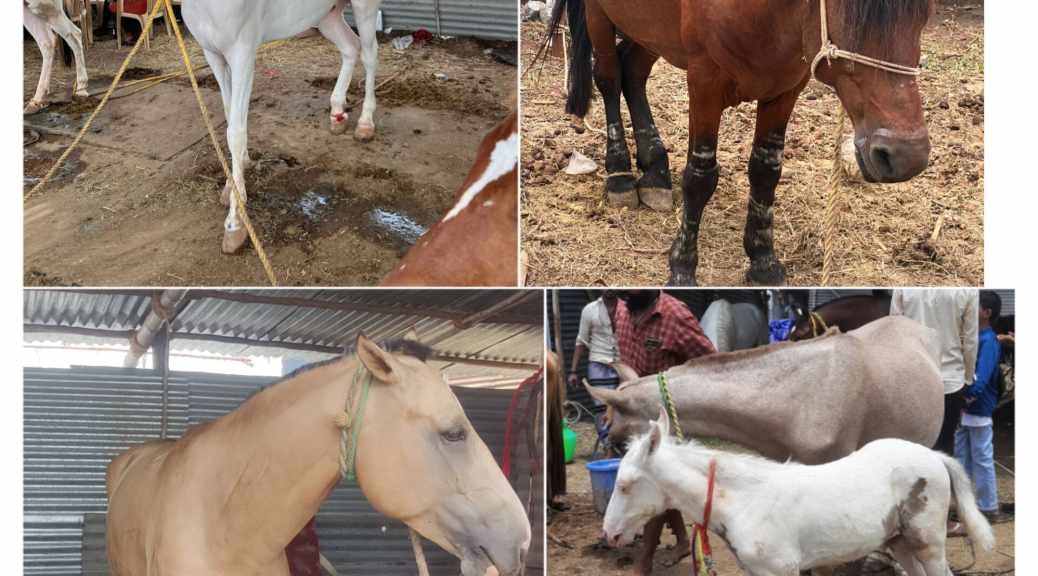
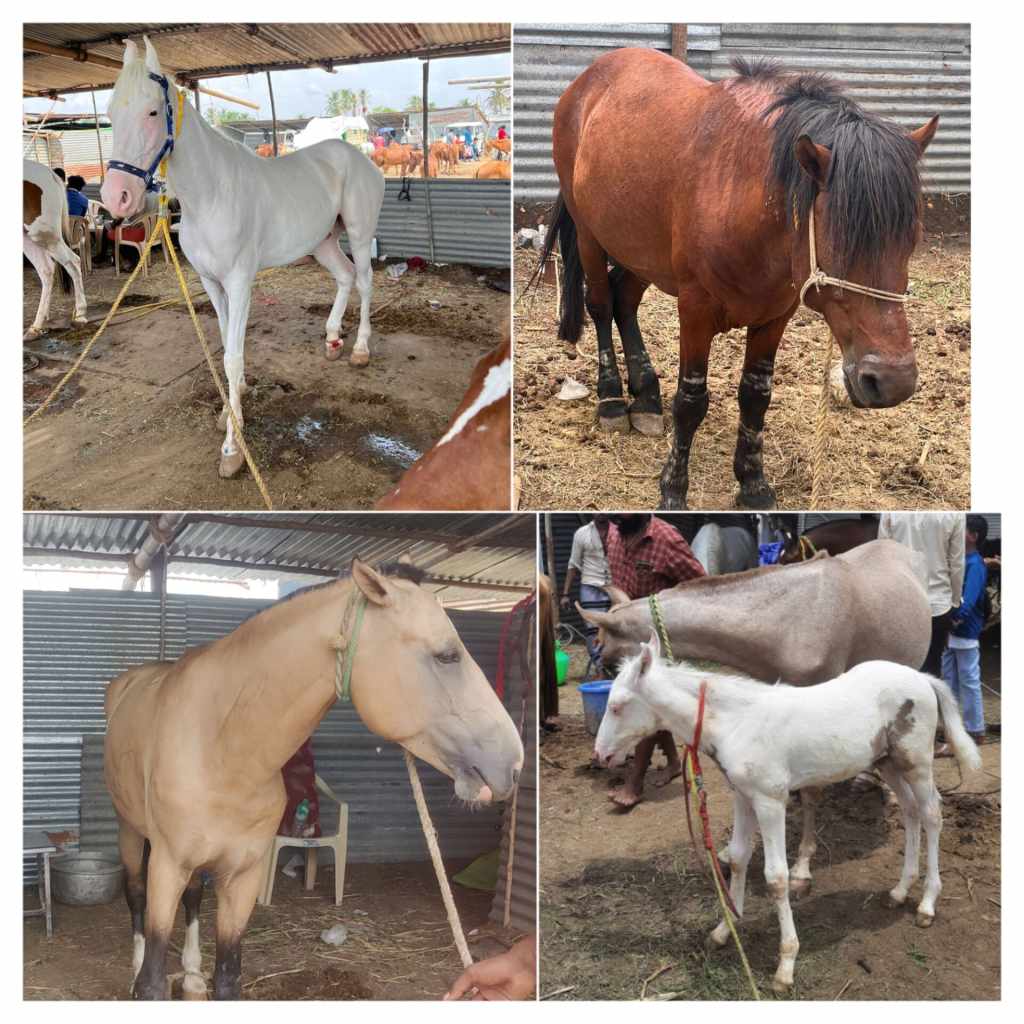
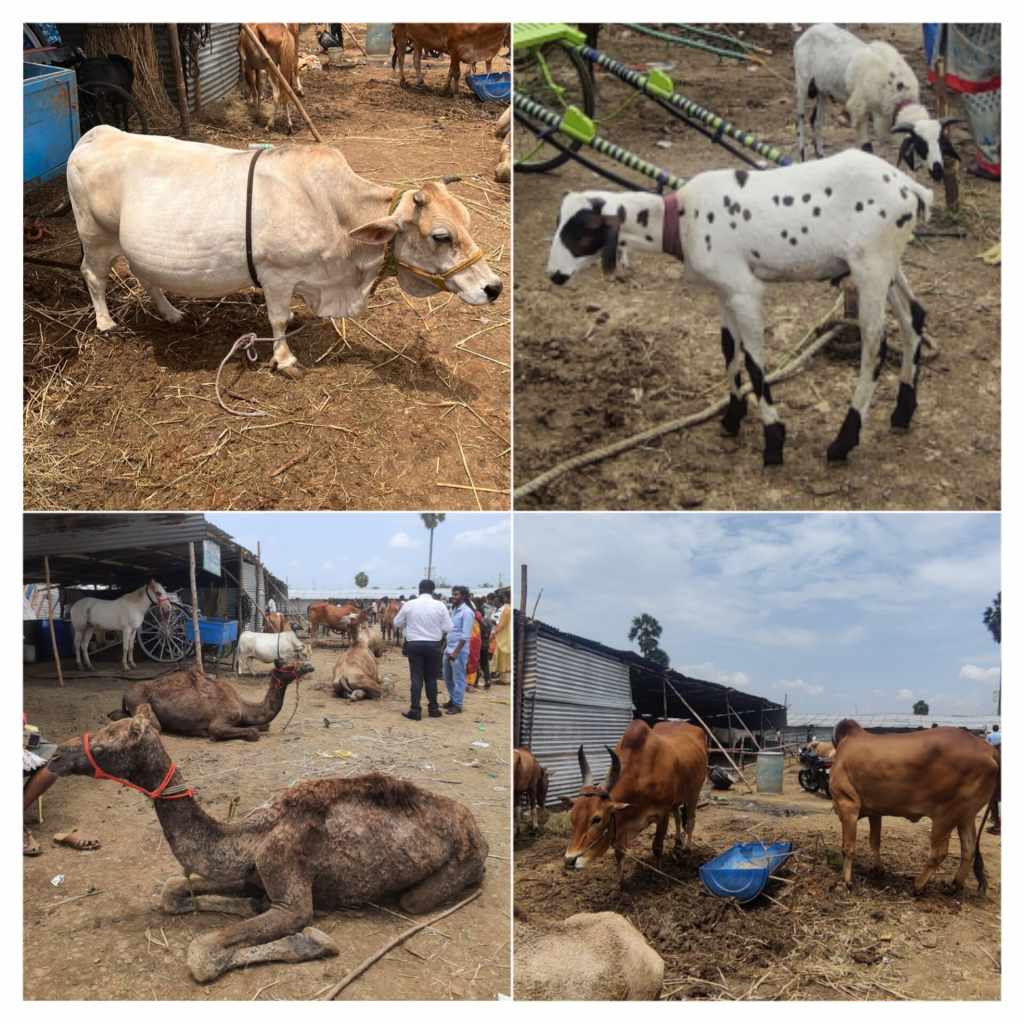
      A four-day-long cattle fair is, however, the highlight of the festival for which people come from across the districts of Tamil Nadu and the states of India. There are only two cattle fairs held at this scale in India. First, at Anthiyur (more popular for the horse fair) and second, at Pushkar in Rajasthan (Primarily a Camel fair). The history of the ‘Kudurai Santhai’ (the Horse fair) dates to the times when Tipu Sultan was the ruler of Mysore. He visited this cattle market to buy the best horses for his cavalry and sold his horses that were no longer fit for battles.

      It has, over time, gained popularity among horse enthusiasts across the country who consider buying horses from this market as a matter of pride and prestige. The cost of each horse can range anywhere between 50 thousand to 50 lakhs rupees. Today, apart from buying and selling horses at the ‘Kudurai Santhai’, many horse owners come here to simply display their prized possessions. One gets to see stallions, mares, sires, and ponies of various native indigenous and pure breeds here. Some horses are made to perform to drumbeats and kept on exhibition. On the last day of the four-day-long ‘horse fair’, Geegees are judged based on their structure, build, and looks, and finally, awards are given away. On the day we visited in 2023, there were over 1000 horses at the fair brought in for various purposes.

      All accessories, equipment, and other things that are associated with horse-keeping and equestrian training can be found and are sold here. Apart from horses, this fair is also the largest marketplace in India for other breeds of cattle and livestock like cows, goats, sheep, camels, rabbits, dogs, and birds. With encouragement given to native breeds, it is a great experience to see cattle across the 34+ acres of land.

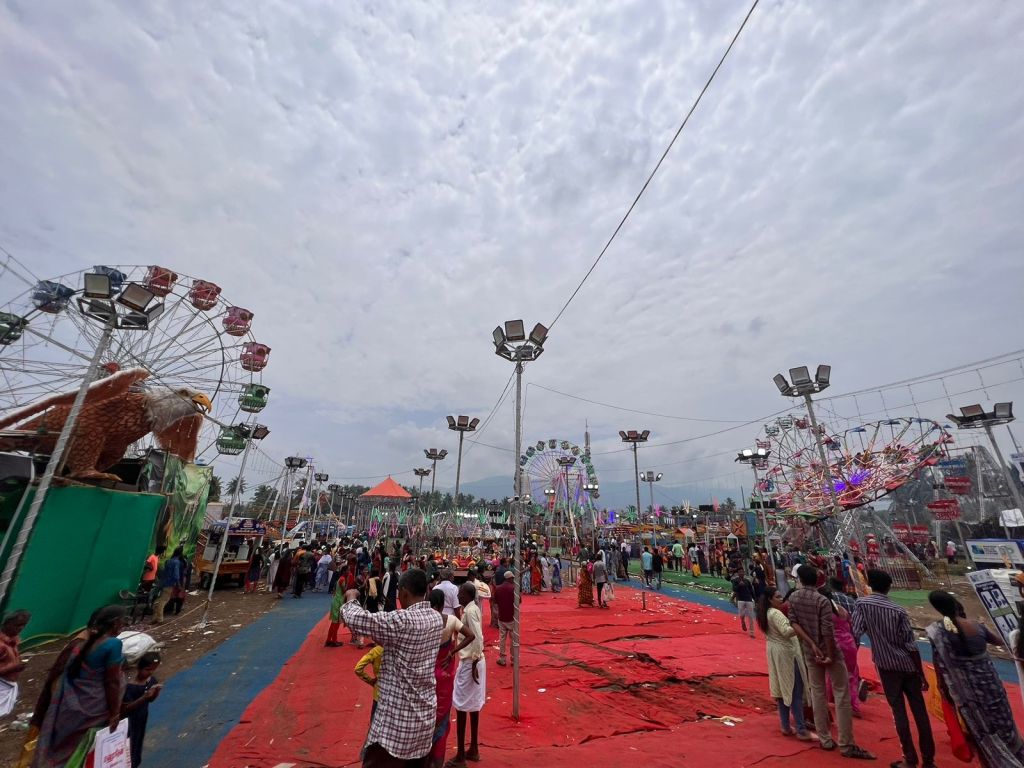
      To supplement the cattle markets, there is a makeshift amusement park set up, which is also by far the largest makeshift amusement park I have ever seen. Over ten giant wheels, rollercoasters, circus tents, and at least three globes of death are set up among several other types of amusement rides. The energy and ecstasy of this fair is all together only to be witnessed rather than to be read about.

      Anthiyur festival
      The makeshift amusement park at Anthiyur festival
      • Bamboo staff- You will find people buying them, as it is considered auspicious to keep this weapon of Gurunathar Swamy at home.
      • Colorful horse whips
      • Horseshoes- this is believed to absorb negative energy if hung at the entrance of houses.

      Disclaimer: This article is posted to document folklore and lesser-known festivals of India. If any mistakes are found, it could be based on what was heard as stories. Kindly comment below or message directly for any corrections required.

      The Boad Namme of Chembebellur

      ‘Boad’ in Kodava language means to beg/ request. ‘Namme’ translates to ‘festival.’ Thus, the ‘Boad Namme’ can be loosely called as the festival in which the people of Kodagu request ‘Goddess Bhagavati’ to grant their wishes.

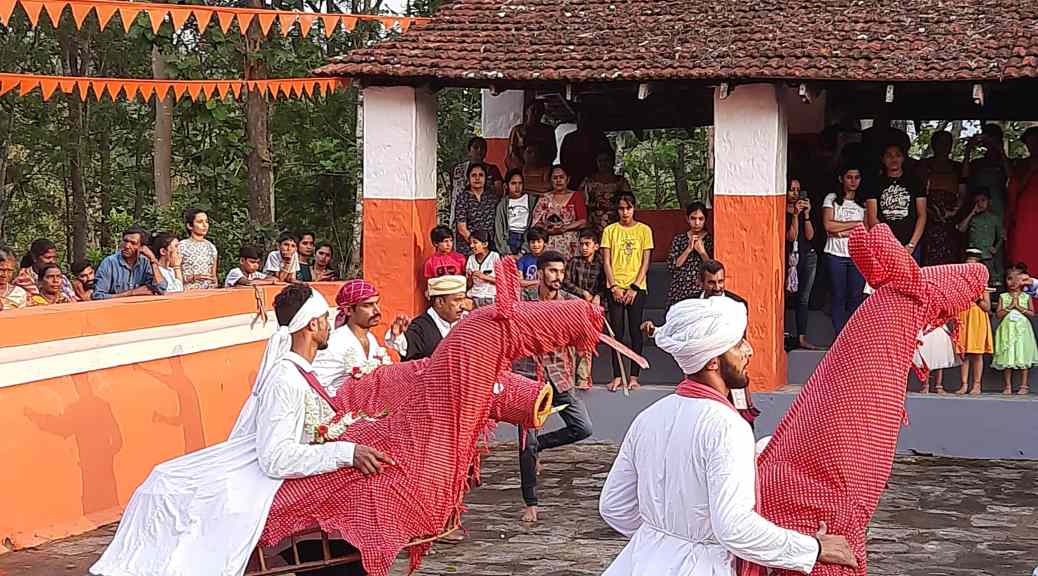
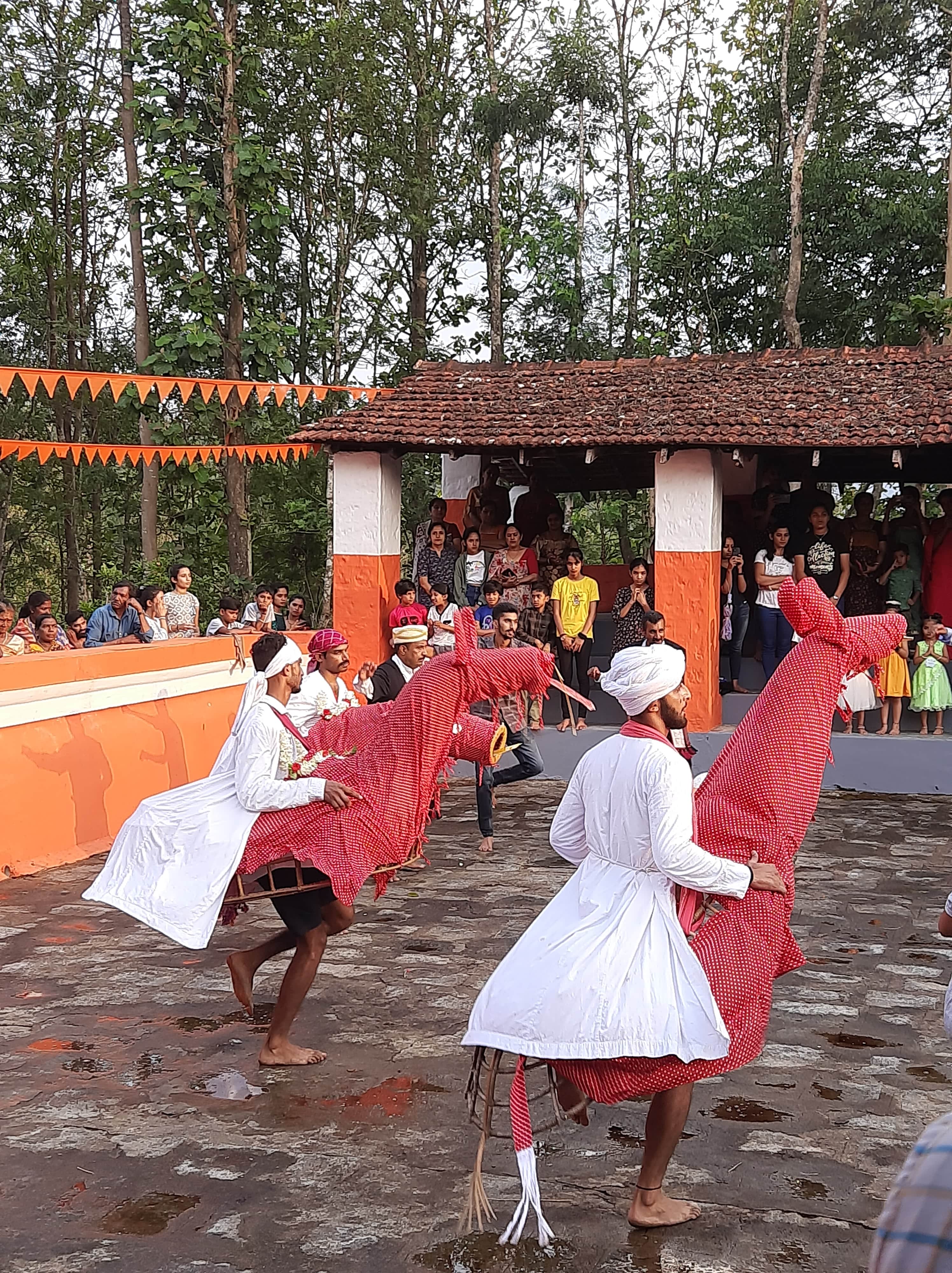
      The Boad namme is observed across Bhagavathi temples located in several villages in the southern part of Kodagu district, in series. The first Boad of the year starts at the temple of Kunda and the last one is observed at Parana village. Kudure (Horse) worship is an integral part of the Boad namme. In this, a young boy belonging to a designated clan from the respective village dresses up in the costumes of a horse and participates in the various ceremonies during the festival. Hence, it is said that ‘Kundath-ra Bott-le nenda Kudure, Parana mani-le ilinja Kudure.’ Translating to ‘the horse which rises at Kunda will only settle at Parana.’

      I will talk about these two Boad festivals in separate posts. Among a series of all other Boad namme that are observed across villages in South Kodagu, I am starting from the middle, at Chembebellur village. The Boad Namme of Chembebellur is among the most popular of them all. It is observed over a period of four days and usually happens around the last week of April of each year.

      Day one is Pattani. People belonging to all the native clans of Chembebellur observe ‘Fast’ on this day.

      Day two is Kudure. Three young boys representing three clans of the three main Keris (areas) of Chembebellur i.e., Ajjinakanda clan of Podakeri, Coluvanda clan of Podakote and Chembanda clan of Nadikeri wear the costumes resembling horses (Kudure) and start from their respective Ain mane (clan’s ancestral home). They are accompanied by men impersonating other local deities of the village like Choundi, Aiyappa and the others during their march towards the Bhadrakali temple where they all assemble and hold the following rituals. Post this, there is a fire set up in front of the temple in which effigies are burnt.

      Kudure at Chembebellur Bhadrakali temple
      Day 2: Kudure at Chembebellur Bhadrakali temple

      The gathering then moves towards the village’s ‘Eshwara temple’ where the rest of the men and boys of all age groups dress up in various costumes. This dressing-up is a form of a vow they make to invoke Goddess Bhadrakali’s blessings. The costumes could range from traditional Bund-kali (Mud-smearing), Pill-Bhoota (Hay man), Puli-vesha (Tiger costume) etc. to more modern forms of cricketers, Llamas, swamijis, seducers etc. These dressed up men folk visit every house of Chembebellur asking/begging’ for alms all night and it is a fun time for all the households who host these men in the houses.

      Day Three is Boad. This part of the festival is the most awaited and the highlight of the four-day celebration. All the dressed men congregate at the Bhadrakali temple in the afternoon. They are accompanied by the men impersonating the local deities as well. They all together circumambulate the temple thrice and go around begging form alms from the thousands of people who gather there to participate in the festivities. The end of the circumambulation marks the end of the Boad where all the men collectively offer all the money collected through begging to the Goddess and seek her blessings.

      Day 3- Boad festival at Chembebellur Bhadrakali temple

      Day four is Choole. Young boys who are yet to reach adolescence, cross-dress in attire of Kodava women and offer their prayers at the Bhadrakali temple. This day marks the end of a fun and yet traditionally rooted festival of Chembebellur, paving way for a Boad namme to start at yet another village of South Kodagu.

      Disclaimer: The purpose of this article is for documentation of lesser known festivals of India. The above information is only based on what I could gather by discussing with people who had gathered at the temple. My apologies for any wrong representation. Readers are welcome to contribute any information that is deemed important and useful to be shared here.

      A Rare Connection of Hockey Between Karnataka and Tamil Nadu

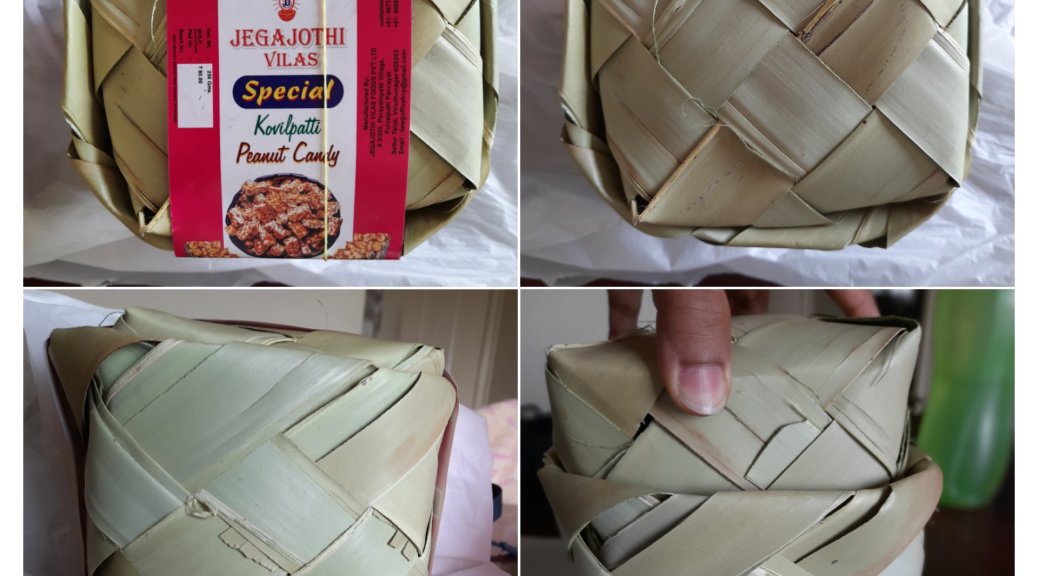
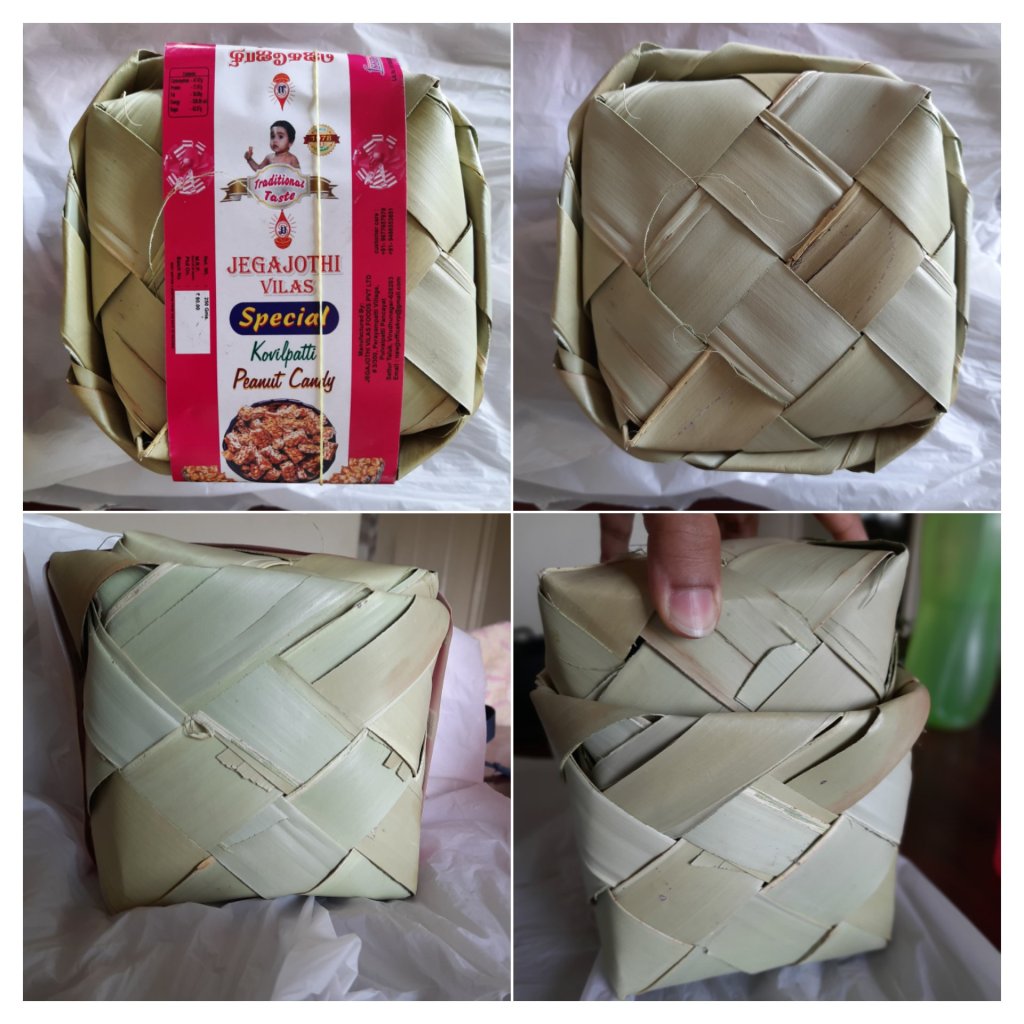
      I have been fortunate to meet many like-minded people online, through travel blogging. Recently, I happened to meet one of such friends offline, during his visit to Bangalore. He greeted me with a souvenir, a nice palm leaf box containing chikkis. He explained that it was the ‘panai olai petti’ containing the famous candies from his hometown. After I returned home, a little bit of online browsing about this souvenir unfolded some interesting facts for me.

      The palm leaf box containing the Kovilpatti chikki
      The palm leaf box containing the Kovilpatti chikki

      Talking about the southern states of India, two neighbours have a lot in common. What triggered this thought were the names of places starting with the letter ‘K’, one from each state. Kodagu and Kovilpatti from Karnataka and Tamil Nadu respectively. Meanwhile, the ‘C’ is what makes these two ‘K’ places famous. ‘Cauvery’, the holy river originates in Kodagu and ‘Chikkis’, the peanut candies of Kovilpatti has earned a GI tag for itself. Enough is written and done on the internet about either of the places.

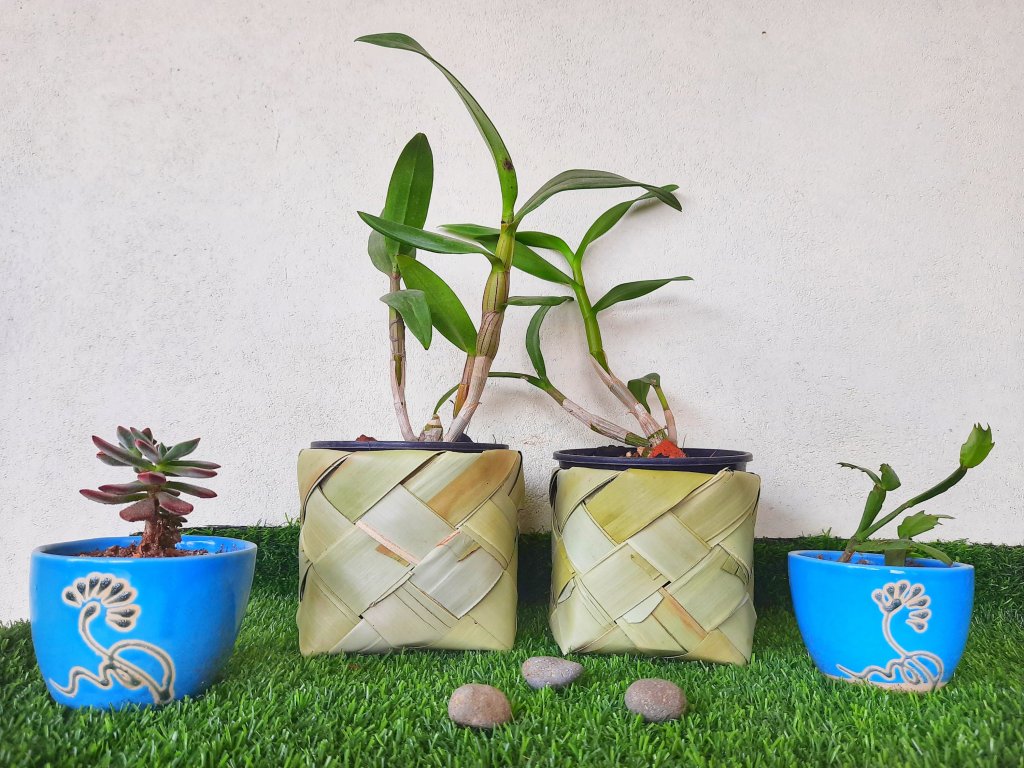
      Palm leaf boxes of Kovilpatti mithai being Repurposed as planters
      Palm leaf boxes of Kovilpatti mithai being Repurposed as planters

      But what turned out to be more surprising and a rather rare connection between the two ‘K’ places of these states is their common love for the National sport of India- Hockey. In my earlier post, I have mentioned how the largest festival in the world dedicated for any sport (hockey) is celebrated in Kodagu. But what I learn now is that Kovilpatti too, shares its history with Indian military and the influences of the British to have a strong hockey culture. With at least a dozen hockey clubs and several players making it to the Indian national team over time, the people of Kovilpatti have an unabated enthusiasm for the national sport.

      What I do know is, that there are several other lesser-known places in India where people celebrate sports other than cricket. Only initiatives by governments, support from sponsors and adequate media publicity can encourage and motivate more people to nurture a sporting culture in our country, anything other than cricket.

      I Belong to Everywhere: Kumbaldal

      This is an attempt to bring back nostalgia. Continued from- “I Belong to Everywhere: Ontiangadi“.

      Kumbaldal is a village in Madikeri taluk, north of Kodagu district. The descendance of my maternal lineage belongs to this village. Currently, my uncle stays here with his family.

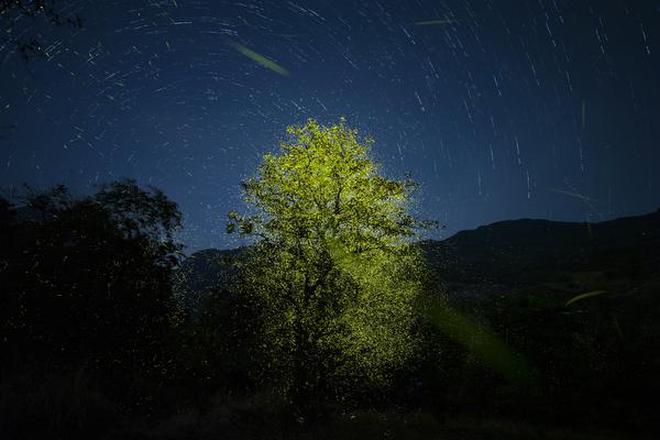
      This award-winning wildlife photograph not often but always brings back memories of simply being at Kumbaldal.

      'Lights of Passion’, An award winning photograph of the bioluminiscent fireflies in the Western ghats
      ‘Lights of Passion’ fetched Aishwarya the ‘Highly Commended’ award at the 56th Wildlife Photographer of the Year Awards (2020) under the ‘Behaviour-Invertebrates’ category. | Photo Credit: Aishwarya Sridhar

      If you are there at the right time, then your senses can feast on bioluminescence. Millions of fireflies rest on the ground under the coffee plants all night and it literally feels as if you are standing on the porch of a mud house that is surrounded with a zillion flashlights. No words of mine can justify what I want to express! But, what I now realize is that the experience is not the same anymore. The usage of chemical fertilisers and pesticides have done damage that’s beyond repair to the environment. Going organic would need several decades to fix these glow worms and fireflies back into their normal habitat.

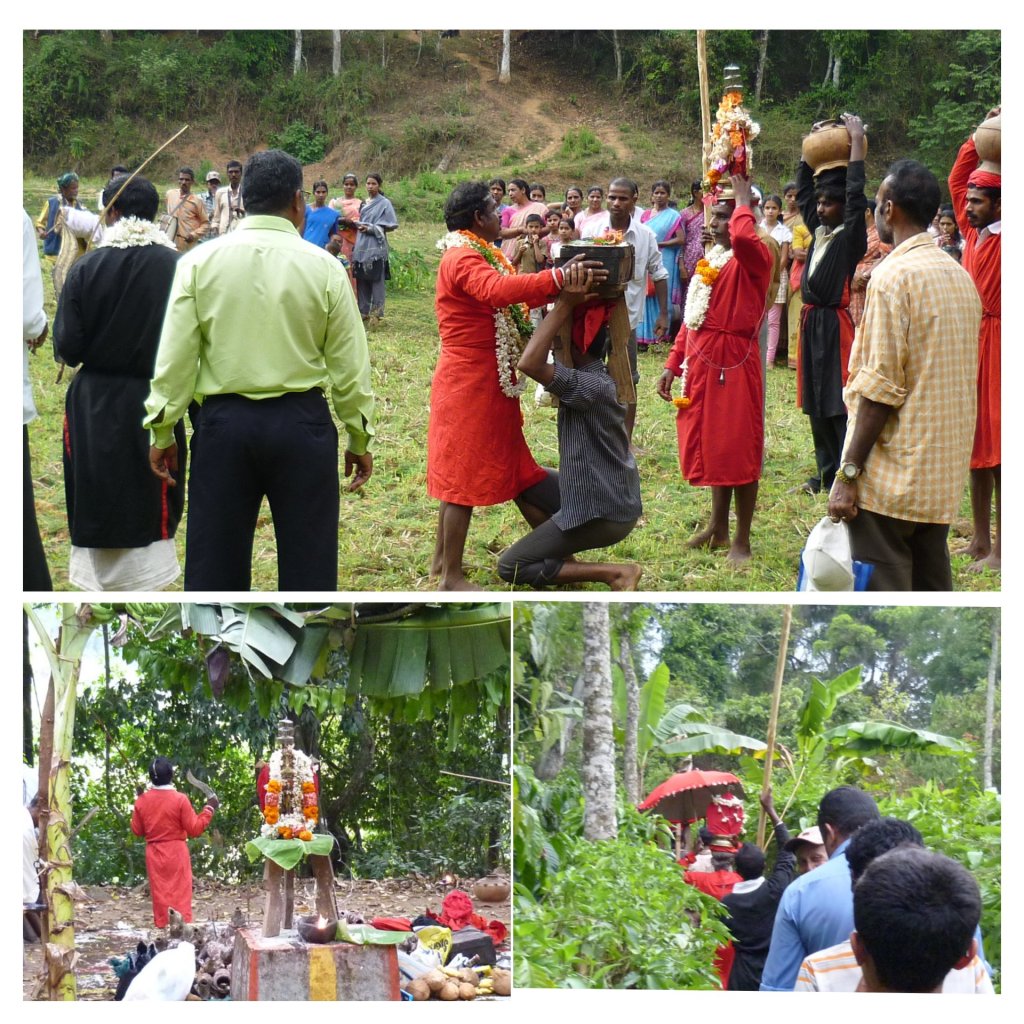
      Every village in Kodagu has its own deity and it is quite an experience to participate in these local festivals. At Kumbaldal, the temple’s Kuli kund (the holy bathing pond) happens to be in our land. Hence, the idol of the presiding deity of the village is brought to our farm for the first ceremonial formalities during the village’s annual festival.

      The annual village festival at Kumbaldal
      The annual village festival at Kumbaldal

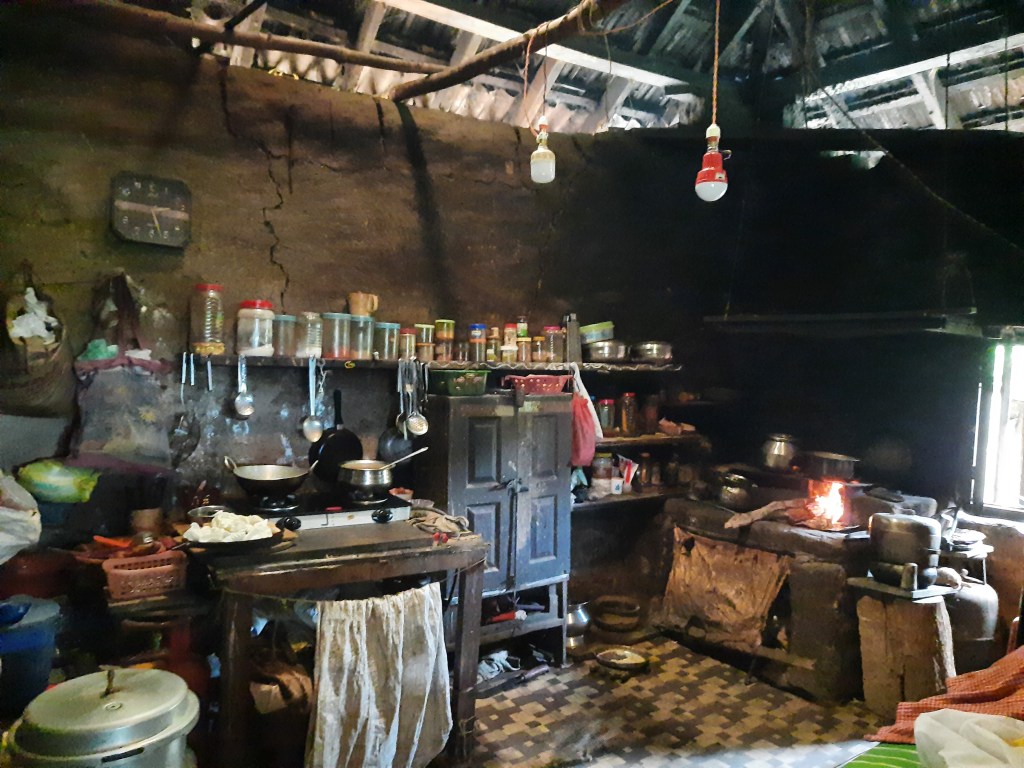
      Not until late 2010-ish, that this village house had an electricity connection. The lifestyle was rustic and charming, to say the least. Mud smeared walls, cow dung smeared frontal yard and prayer room, firewood cooked food, kerosene lit lanterns and a perfectly mountain facing portico: Why wouldn’t anyone want a vacation like this! For me, my visits to this village were wholesome experiences.

      The kitchen at the Kumbaldal house
      The kitchen at the Kumbaldal house

      Accessibility being scarce for reaching the commercial areas as and when required, the food and the entertainment at uncle’s house used to be the most traditionally rooted. Even to date, a visit to Kumbaldal is welcomed with a festive spread that largely comprises of the traditional Kodava recipes and prepared with the locally available ingredients as much as possible.

      When I think of Kumbaldal, it reminds me of staying rooted to my culture and grounded with a minimalistic lifestyle. if you liked this story, you might also want to give a read to: “The monsoon delicacies of Coorg” for some more nostalgia.

      To be continued as- “I Belong to Everywhere: Sadashivanagar

      Visiting a Gotul- A Bastar experience

      For someone visiting Chhattisgarh, experiencing the tribal culture and enjoying the rawness of the natural landscape in Bastar would undeniably be the priority. If you are lucky, then you might get the opportunity to visit a tribal Ghotul. A Ghotul is a structure that accommodates people. It is either an open arena with earthen floors, without walls and with roofs laid with wood and hay or it is a completely closed structure built with earthen walls decorated with various murals. ‘But what is so ho about it?’, one may ask.

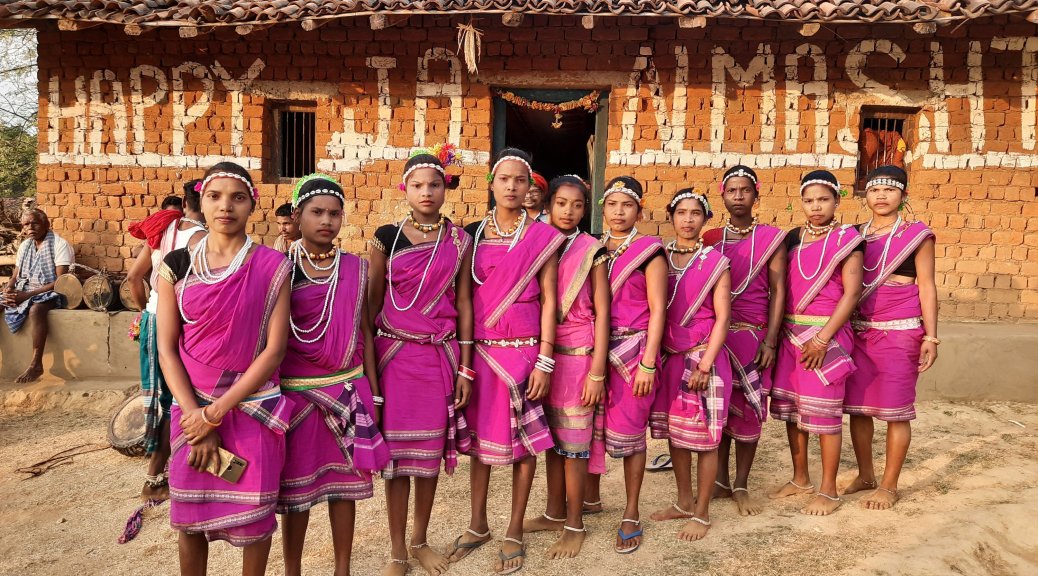
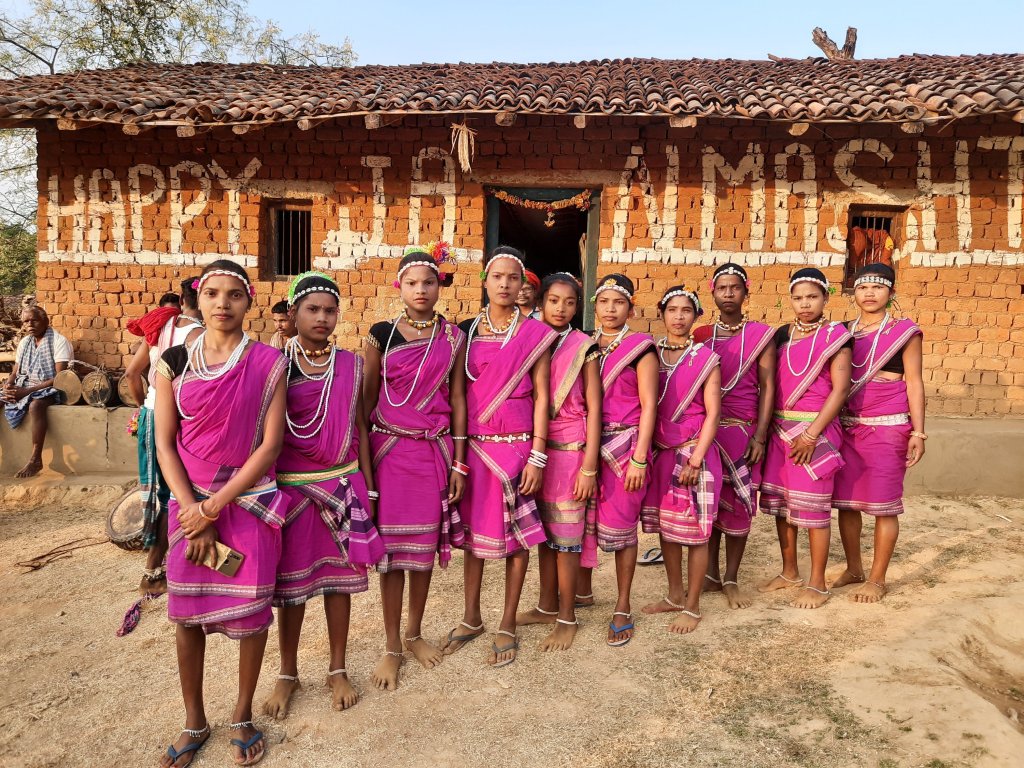
      The Muriya girls with a Ghotul in the backdrop

      The primary purpose of a Ghotul is what makes it important in the regional culture of Bastar in Chhattisgarh. It is a socializing club for the unmarried youth of the Muriya and the Gond tribes which also in some parts, serve as a dormitory for the registered members. Young boys and girls register themselves with a Ghotul of a particular village or area when they hit adolescence and the functioning of this traditional club is presided over by a head boy and a head girl from the respective tribe. Here, every evening, the members gather and learn the essentials of taking up a new life ahead of them. Reaching adolescence means that they have become eligible to get married and take upon the responsibilities of running a family. So, they are taught all the required life skills like managing a house and a family, folk traditions, music, cooking, religion, cleanliness, discipline, sympathy and everything else. The whole idea is to pass on and contain the traditions within the tribe.

      The celebration dance by the Muriya tribes for hunting a game

      This also promotes inter-tribe or inter-Ghotul weddings so that a member of a particular tribe doesn’t leave the community and the strength of the community is sustained. While pre-marital sex is considered as a taboo elsewhere in India, this culture encourages the youth to indulge in sexual activities to find the most compatible life partner. It is said that if a member of a Ghotul gets pregnant and doesn’t know who the father of the baby is, the village will adopt the baby and nurtures it as everyone’s own child.

      Due to the rich ideology of conservation of the culture, people from across the globe come to study and understand the functioning of these Ghotuls. The Muriyas indulge in celebration of the little things from their daily lives. For example, after a successful hunt in the wild, a birth in the community, a betrothal, etc. They have about 12-15 different types of dances that they perform to celebrate these everyday joys. There are rituals and a sequential procedure on how the members need to conduct themselves in the course of visiting a Ghotul like getting ready, dressing up, assembly and starting the evening at the Ghotul.

      I got an opportunity to visit one such Ghotul and here is a video of a dance they performed for us.

      the Muriyas celebrating a game hunt at a Ghotul

      As a small introduction to the video above: In this dance, you can see two hunters dancing around and in between the other members, while musicians are standing in the middle and playing the traditional instruments. There are also a couple of men wearing head gears that look like chital / spotted-deer which indicates that this celebration is after a game was shot-down by the hunters and brought to the Ghotul for a feast.

      What are your thoughts and views about the Ghotul system? Share them with me through the comments below.

      A roadtrip into the Naxal heartland- Bastar

      There were many iterations in the initial plan and the destination was changed multiple times, but my family and I finally decided to visit and explore Bastar. Holistically, Bastar is a region spread across multiple states and was primarily ruled by the Kakatiya dynasty. But with changing administrations and new state formations, the Bastar region is now split into seven districts in the state of Chhattisgarh with Bastar itself being the name of a district. The region is one of the richest in India in terms of tribal culture and reserves of natural resources. Taking Covid safety precautions into consideration, we decided to drive our own vehicle instead of taking a flight or public transportation to avoid coming in touch with random people.

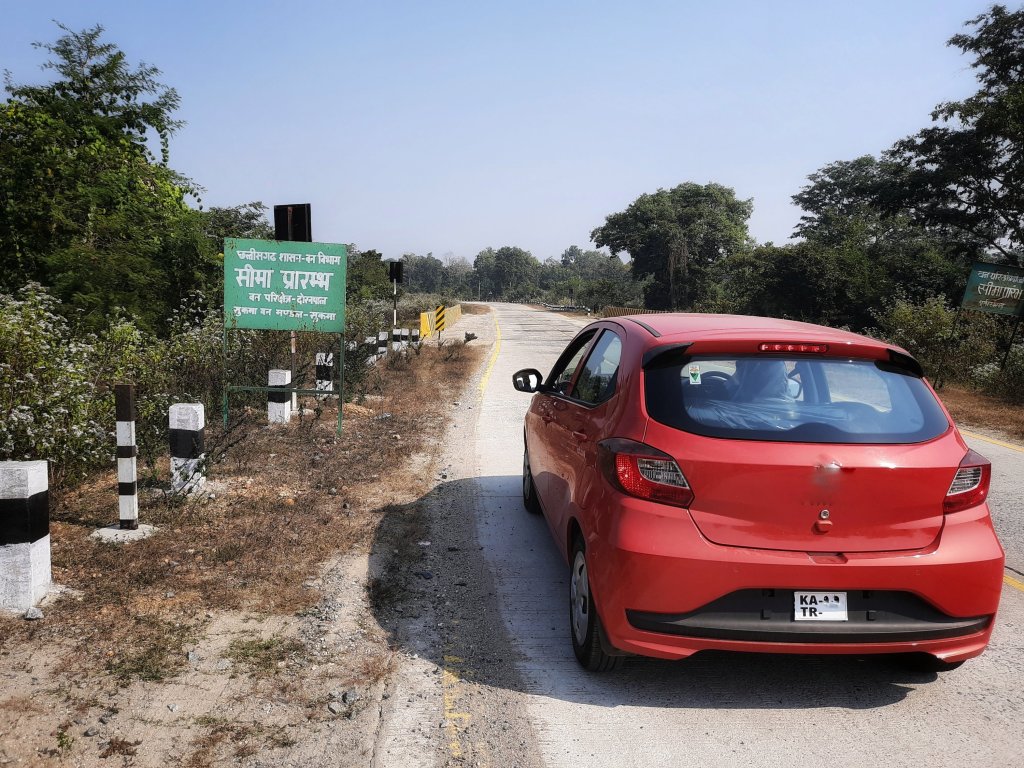
      When people in our immediate acquaintance got to know about our choice of destination, a few thought that we were crazy. And then, a few concluded that we had lost it when we told them that we were doing a road trip right through the red-corridor area. But it was a combination of inquisitiveness, curiosity, adventure and assurance of safety from a local friend that finally got my family and myself on a road trip to what is infamously called the Naxal heartland- Bastar. To add a little bit of spark to this wild road trip, was our new ‘Flame-red’ colored car that was delivered to us just a couple of days ago. We did not have a number plate on it and were going to cross five state borders with a ‘Temporary Registration’ sticker.

      With all that background, let us discuss the crux of every traveler’s doubt- Is Bastar safe for travelers?

      First things first, about Bastar-

      • The public transportation or connectivity in the Bastar region is almost non-existent. So, if you are a budget traveler or a backpacker, then this trip will not work out for you. Hire a self-drive vehicle either from Raipur or Vishakhapatnam (The nearest major cities with airports) or get one from home.
      • For stay at this point in time, there are ‘zero’ places listed on Airbnb. Limited hotels are available only at Jagadalpur which you can make your center point of travel. Alternatively, there are some resorts run by the Chhattisgarh Tourism Board (CTB) scattered in good locations across the region that you can manage to find online or through local contacts.
      Entering Sukma, forest area begins

      The Details of our visit to Bastar.

      We started this trip from Hyderabad on the morning of Christmas-2020. As our journey proceeded from the plains towards the forests, the changing terrain was an indication that the red-color (of the red-corridor map) was getting more significant. We strictly adhered to two conditions laid by our friend/ local guide who was based out of Bastar. One, to stay connected from the time we started from Hyderabad and update him frequently (based on the mobile network). Two, do not drive after sunset. We had planned the entire route and our halts in consultation with him. With Kothagudem, we had officially entered the ancient ‘Dandakaranya forest’ region, the modern ‘Naxal heartland’. Only difference is Ravana had kidnapped Sita from the region back then, one could possibly be kidnapped or shot at by a Maoist in modern day. The day’s drive was mostly un-exciting with a good wide National highway passing through Sal tree forests alternating with cotton fields till Badrachalam, where we stayed for that night.

      The following day, when we took a deviation towards Konta at Chatti junction is when we started to notice the actual change in terrain and demography. Civilizations suddenly disappeared and the roads became emptier. For most stretch it was just us, driving either through thick forested areas or large open grasslands. No man-made concrete structures, whatsoever. Even if it felt like we reached a tribal settlement after driving for a few kilometers, the settlement was limited to just one or two huts with their set of cattle and poultry. It was a little eerie to think of, but that did not stop us from halting our car and taking a few photographs.

      A cattle shed in a village around Konta

      After reaching Konta (The Andhra-Chhattisgarh state border) is when we started to sense the heavy air around us. Every village that came thereafter was spread across 1 to 2 kilometers along the highway. And every village had a CRPF camp with an armored MPV (Mine Protected Vehicle) at their gates, ready to be driven out at any given point. All camps had hero stones erected near the gates with names of the martyrs from the respective camps who had died during service. We were heading towards Sukma, possibly the brightest red spot one would find on the map. With extremely unreliable mobile connectivity to reach out to our guide, we had started to reconsider if we had made the right decision to take the road less travelled! Anyway, there was no way we could undo our plans since we were already there now. Instead, we decided to go ahead by thinking about the adventure and excitement that may come ahead to us.

      Meanwhile, I got a message delivered on my phone from our guide. It had the contact name and number of a volunteer (Person X) based out of Sukma. We were told to meet Person X and have a cup of tea with him at Sukma before continuing our journey towards Jagadalpur. After reaching the Sukma bus stand, we called Person X and waited for him to arrive. In a bit, a young boy came to us on a bike and asked us to follow him. Even before we could complete our words of enquiring his name, he said: “Haan, haan, follow my bike” and we trailed him through narrow residential lanes to a big mansion. Another man (Person Y) welcomed us warmly and we were kind of overwhelmed and at the same time, wondering whom and why we had to meet someone in Sukma.

      Person Y asked us, “Weren’t you supposed to be a big group of people?”

      “No, it was just our family travelling”, we clarified.

      “But Person Z told me that five of you will be arriving here for the meeting”, he said.

      “Person Z? But we were supposed to meet Person X!”, we told him with a perplexed look on our faces.

      We realized that there was some confusion. We were at a wrong place… in Sukma! I immediately called up Person X and told him about the situation. I then handed over my phone to Person Y and we were fortunate that both X & Y knew each other. Both of them were local leaders and represented the same political party. X came to Y’s house and it followed with some chai served to us. Our basic introduction and conversation were limited to local politics, our journey so far and our trip to Chhattisgarh. About half an hour later and as discussed with our guide from Bastar, we decided to continue our journey further.

      A short while later, when we were ascending the Ghats, a bunch of CRPF men who were on their random patrol stopped us and enquired the details of our trip. Without much drama, they let us go after knowing that we were random tourists, heading to Jagadalpur from Bangalore.

      Somewhere near Konta

      Our guide arrived at Dorba with his family and escorted our car for the rest of the day. We reached Jagadalpur for the night’s stay. Over the next few days of our stay in Chhattisgarh, we explored several settlements and hamlets located in areas where no roads exist. Through our extensive drive through vast expanses of paddy fields and coal, iron and other mineral rich mountainous and forest terrain, we got a better sense of geography and geo-politics of the area.

      So, come to the point! Was it safe?

      I would like to explain this with multiple incidents and my viewpoints. PLEASE NOTE that these opinions are purely based on my personal experience. This may differ for each person visiting there.

      1. As per our guide, our visit to the local’s house in Sukma was to acquaint us with a localite in that region so that, if we were being tracked by someone, they would know that we were harmless tourists and not associated with any other intention. But my viewpoint is that, apart from Sukma, we explored the districts of Dantewada, Bastar, Kondagaon, Kanker, Narayanpur, Gariaband and Dhamtari during the course of our stay in this region. All considered to be core areas of Naxalism/ LWE in the state. We drove our number less car with a ‘KA-TR’ sticker all around –> Not a single day did anyone stop us, ask us or threaten us. It felt like we were travelling in any other Hindi speaking place in India.
      2. When we entered the villages, we had a local person accompanying us almost always. We were told that a lot of villagers worked as informants to the Naxals. (starting from children as young as 8-10 years to grown adults, across gender). So, if a localite familiar in a particular village that we were visiting accompanied us, we would be safe –> My viewpoint on this is, when we moved to the interior parts, the villagers could speak only the local dialects of either Halbi or Gondi. Why that, when we visited the Gotul on one of the days, I even understood a portion of a conversation between two villagers standing next to me. They were discussing that I was a foreigner, who had come there to see their dance. Like really? I look so INDIAN in color, features, dress and in every other sense. Even then, the exposure of these tribals to the world outside their villages is so limited that any visitor would look alien. In such a scenario, communication would’ve been a task for us if we wanted to understand their culture better. A translator helped us to bridge the gap in communication.
      3. We were told that the Naxalites come out after sunset and bother the villagers for rice and other needs. We had heard of stories of how people/visitors/ guests were kidnapped from houses at night. We met so many villagers from various tribes, visited their houses and ate their food. They were excited to host us and shy to talk to urbanites. Never at any point did I feel like we were going to be harmed. We even stayed for a night at Dantewada and most other nights at Kondagaon. The villagers didn’t seem to talk about anything to me like kidnap or murder.
      4. There are several tribal communities that are still primitive in their culture and do not come out in contact of normal civilization. Barter still exists in this part of the world. Permits are required for entry of many villages, especially for those visiting the Abujmadh area. To think of, it is unfortunate that inspite of conscious efforts by governments to empower the tribes, it is still falling short.
      5. Somewhere near Kanker, we were by ourselves on a night journey towards Raipur. While we were told that the highways were safe, there is one point where we were asked to stop and wait for about 2 hours. With us, there were hundreds of other vehicles also who had stopped and spent the hours getting a nap during the waiting time. Daily, the ITBP policemen do combing in this area. Inspite of several positive experiences like those above, things like these present the intensity of the underlying danger and threat.

      By having all these presumptions, it cannot be ruled out that naxalism is REAL. And it is in abundance in these areas. The underlying thought cannot be ignored that I must have gotten lucky!

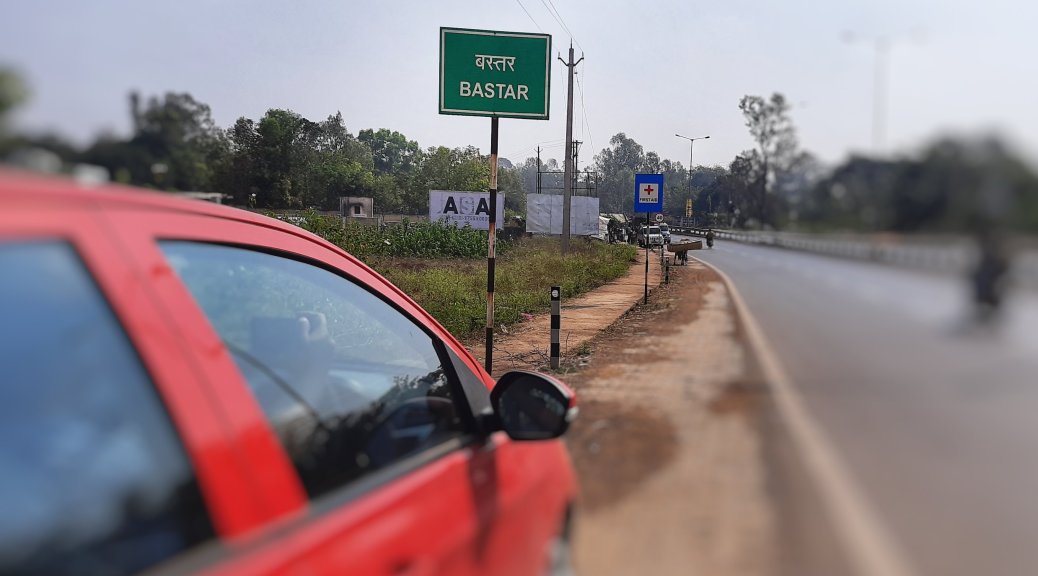
      Bastar district, Chattisgarh

      My verdict on safety for travelers:

      I went to Chhattisgarh and returned safe. Every place across the WORLD has its own threat, but in different ways. When you are in Rome, be a Roman. So, whichever place you choose to travel, keep the local customs and sentiments in mind. If possible, get in touch with a localite and take them into confidence. Travel to build connections and build connections to travel.

      Travel, stay safe and enjoy your journey!

      A personal chronology of Deepawali celebration

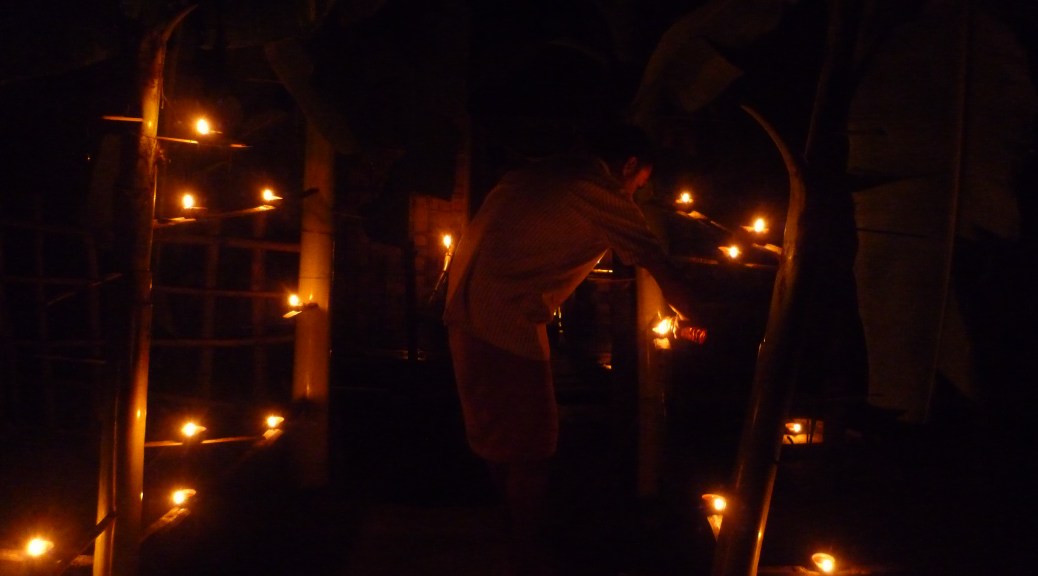
      The list starts from 2015, a religious celebration of the festival of love and lights- Deepawali. Well, I’m not a religious person who would indulge in ritualistic prayers and pooja on any festival. But what started as travelling during this season to utilise my unused leaves combined with maintenance shutdown period at my workplace, has somehow religiously stuck on as a ritual of travelling to a new place, every year.

      Circa 2015- Tamil Nadu:
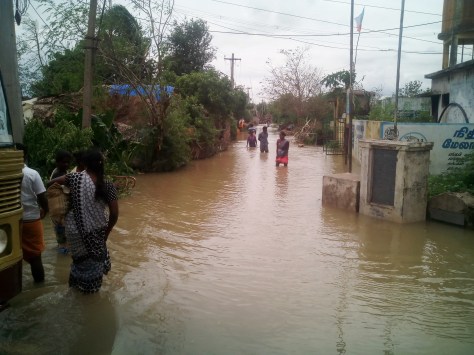
      My brother and I ventured out on our backpacking roadtrip to Tamil Nadu, Kumbakonam to Pondicherry. Well, this was an adventurous start I guess, we had to cut short our trip due to a cyclone that had battered the east coast. Result: Crazy floods and crazy drive through the flooded areas. On the main festival day, we had reached Chidambaram- a must read post about our experience. A bad one then, a memorable one now.

      A flooded village near the Indian east coast after a cyclone
      The flooded villages enroute to Chidambaram

      Circa 2016- Assam:
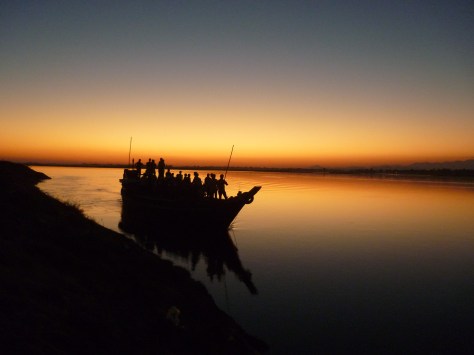
      This was my first solo trip ever and the first time in the north-eastern part of India. After exploring Meghalaya, I had tagged along with a couple of other fellow travellers. We happened to experience one of the most beautiful Deepawali sights. First, the drive through the lamp lit national highway, then watching the best sunset over river Brahmaputra onboard a ferry to Majuli and the crazy ass lamp lit welcome on the Majuli island.

      An image of the daily life in Majuli shot during sunset
      Sunset at Majuli

      Circa 2017- Karnataka:
      After a crazy long year of travelling across India, my friends and I decided to have a simple deepawali roadtrip, closer home in the western ghats. We drove to the famous Agumbe ghats and the places around.

      Circa 2018- Himachal Pradesh:
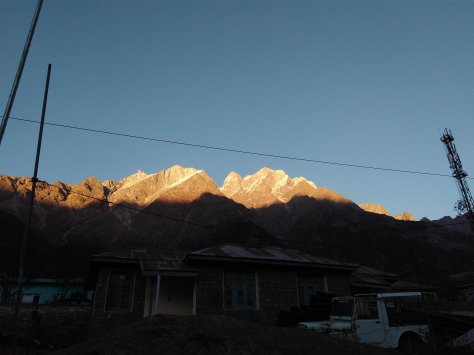
      One of THE best solo trips of my life, where I couldn’t find a single traveller to tag along through the entire trip. This thus, became a thorough personal and local experience in the Spiti valley. On the day of Deepawali, I was on my way back with a brief stopover at Shimla. A trip that made an impact on me, perhaps forever.

      the view of the Kinnaur Kailash mountains at Sangla
      Sunset view from Sangla bus stand

      Circa 2019- Kerala:
      A solo weekend exploring Varkala, it was a short one but yet overwhelming. It was a happy-hippy trip, in a true sense.

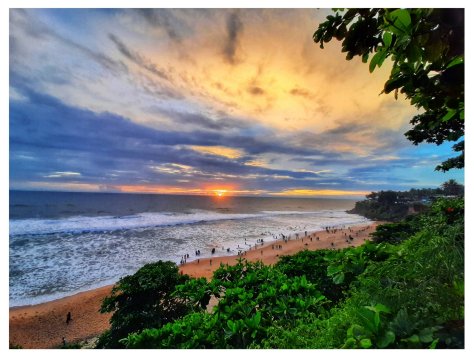
      Sunset from Varkala Cliff
      The sunset from Varkala cliff on Deepavali 2019

      Circa 2020- Karnataka:
      Fears of travelling afar due to Covid-19, personal commitments and taking advantage of working from home, this was the longest duration I spent in my hometown in the last 15 years. Quite unlikely to mention the highlights, but the Deepawali of 2020 indeed tops all the above from the list.

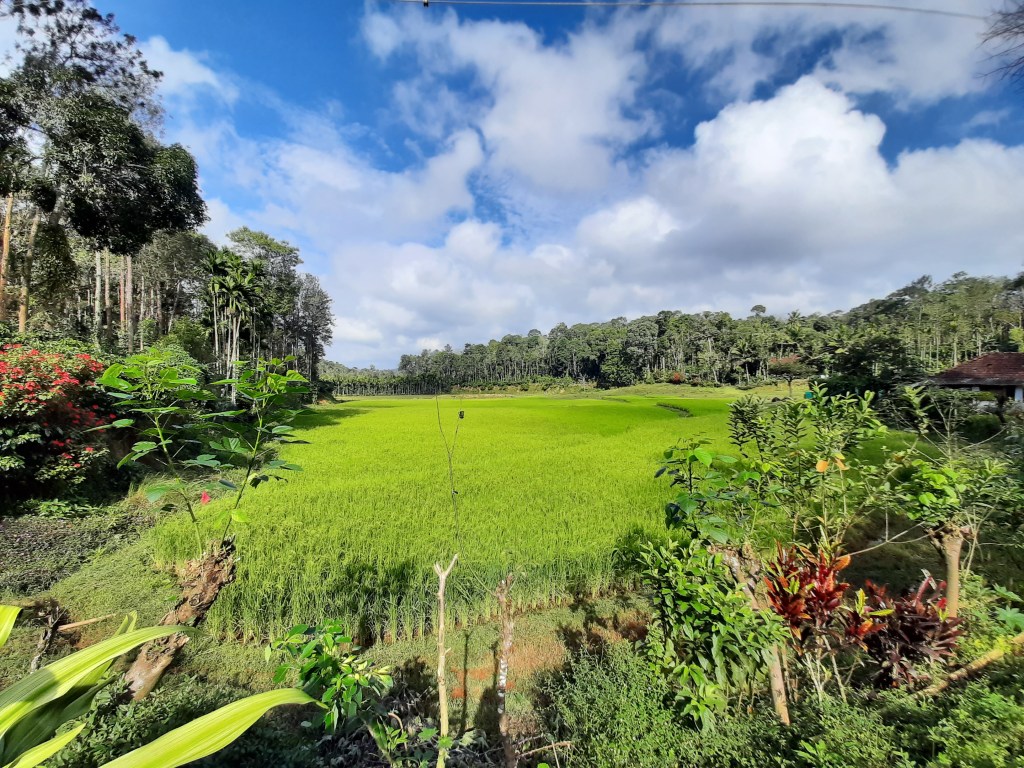
      Paddy and coffee plantation in Kodagu
      The view of the farm, from our ancestral home in Kodagu

      Circa 2021 – West Bengal: This was a trip that was planned on a whim by 2 of my friends and me, where my brother joined in at the last minute. It was a completely new kind of Deepawali celebration which we experienced during trip. Large pandals setup at every 100meters to celebrate Kali Pooja was something unknown to us about Siliguri in the state of West Bengal. That night, we reached ‘Manebhanjang’ a small town located at the entrance of the Sandakphu trek to the Singalila ridge, the highest point of West Bengal. It was yet another experience to witness an amalgamation of Gurkha, Buddhist, and Hindu culture in the way this town celebrates its festival of lights. Much like the carol singers during Christmas, people form into small teams and go from door to door singing, dancing, and spreading joy and blessings.

      Circa 2022- Saudi Arabia: It’s a first time for me to spend Deepawali out of my home country but still in accordance to my tradition of visiting a new place during the festival. This time, work brought me here. Although there wasn’t much we could do like in India, some shopping for sweets at Indian sweet meat shops was a little bit of home we brought for ourselves while staying away from homeland. But, I feel grateful for this opportunity and experience life has brought to me during this Deepawali that has helped me to grow into a little stronger person I was when left India.

      What are your stories about celebrating Deepawali / Diwali? What do you do normally?

      Celebrating the festival of Love and lights at Varkala

      Solo tripping during Deepavali has somehow been a ritual that has caught on to me since 2015. In 2019, I was out in Kerala. I was going to spend three days at a place considered somewhat to be a hippie destination. Train tickets were sold out and hence, I boarded an evening bus from Bengaluru. After a long journey, I alighted at Kollam on the following morning, from where I got a passenger train ride to my destination: Varkala Sivagiri.

      The itinerary for three days is as follows:
      Day 1: Janardhan Swamy temple visit, Lazing and hippying around the cliff and the Varkala Promenade
      Day 2: Golden island, Sivagiri Mutt, Ajengo Fort, Varkala Light house and Munroe island
      Day 3: Kappil beach

      The Story:
      It was a pleasant train journey along a scenic route. I had a nice Kerala breakfast at a restaurant across the railway station and then followed google maps to the hostel that I had booked online. I did not mind the long walk to the hostel that was located close to the famous ‘Cliff point’. I always consider walking as an opportunity to explore the streets and get acquainted with any place that I visit. After checking in at the hostel and freshening up, I headed out to visit the ancient Janardhan Swamy temple. After offering my prayers, I walked back to spend the rest of the day at the beach.

      While I was walking along the beach and silently enjoying the romance of my feet with the waves, I noticed a woman (in her sixties, which she later mentioned during our conversation) walking on the beach too. With a smile on her face, she was enjoying her lone time. But at the same time, she seemed to be struggling with something. I felt as if she wanted to mingle with the people around there, she wanted to get herself photographed, but something was holding her back. I smiled at her and she smiled in return. I offered to take her photo and she was glad. Eventually as I spoke to her, I realized that she wanted to socialize with the locals but was struggling with the language. She was French and couldn’t speak neither the local language nor English.

      As I spoke slowly, she translated it on her phone and communicated back with me through the mobile phone translator. we had become good friends by the next hour. She mentioned to me that she was in India to help herself with the loss of her husband and was accompanied by a friend who had traveled all the way only to be by her side. She was in Varkala since a month and was staying at her cousin’s house who was married to a localite. She was learning Yoga and aromatherapy and was keen on buying good incense sticks from India. She walked me along the entire beach and showed me around the marketplace. She then sought my help to negotiate with a local vendor to buy her a ‘Hapi pan’, a musical instrument that she had been eyeing since the past month that she had been living there.

      A demonstration of playing the hand pan/ Hapi pan by the vendor

      I managed to get it for her at almost half the price that he had quoted to this ‘Foreigner’ and I can’t explain how happy she was with her new possession. She then walked me down the cliff, laid down her shawl on the ground and sat me down. She started to play her musical instrument and it was a sight to see the sparkle of happiness in her eyes. Sometimes, these little things of bringing joy in others’ life means EVERYTHING!

      My friend enjoying her time with the happy pan (Image blurred intentionally)

      Post sunset, she walked me till my hostel and bid goodbye with a REALLY tight hug! She said she was extremely glad that she had met me and asked me to join her at the Yoga classes on the following morning if I had time. “The morning recitation of the Shlokas by the beach is my favorite time of the day” she said. I informed her of my plans of exploring other places around Varkala and that I wouldn’t be able to meet her. I gave her my phone number to get in touch if she needed any help and we both parted.

      It was a night of celebration at the hostel. The hostel had people from various corners of India and the world and were all dressed up in traditional Indian wear. The premises were decorated with diyas and rangolis. It was a special Diwali, for sure 😊

      My visit to the Golden island

      The following morning, I hired an auto rickshaw and did a quick visit to the Sivagiri Mutt and the fort before heading towards Ponnumthuruttu. Fondly called as the Golden Island, it is a protected forest area reachable only by boat. It has a few ancient temples and it reminds me much in line of ‘Devarakaadu’ or sacred groves in my hometown. It was indeed a pleasant ride. Apart from the auto driver and the boatman, I was the only other person in the boat, in the island and hence had the blissful time with nature. Although I had plans of taking a boat ride in the nearby Munroe island at Sunset, I later decided to stay back in Varkala itself. By evening, I returned to the cliff again at sunset time. Believe me when I say, the BEST Diwali of my life was in that day’s evening sky. It was a riot of colours.

      The sunset from Varkala cliff on Deepavali 2019

      After the sun sank into the horizon completely, I decided to treat myself with some nice sea food. It is one of those strange moments when you are made to feel at home in an unknown land. As I was strolling along the promenade, undecisive of which restaurant to go, I heard someone say: “Akkayya, ninga Kodagu-l elli?” in a male voice. In my mother tongue, that translates to: “Sister, which part of Kodagu do you belong to?” I was astonished and surprised for a moment. We got talking and he said he belonged to a native tribe from Kodagu, settled in Varkala. He had been working at a restaurant there since several years. On being asked how he recognized me to be a Kodavati, he pointed out at my unique Kodava facial features. That was SOMETHING for me to hear now! He volunteered to choose the lobsters and the crab for me from the aquarium, got me a beach-facing-candle-lit table and served the best sea platter I had tasted in a while. It is one of those overwhelming evenings of my life. All time for myself on a Solo-date-dinner night and still made to feel at home by a random person.

      My sea view dinner table at Varkala

      The next morning, I headed to the beach to grab some English breakfast. I was pleasantly surprised when my French friend and her friend, both arrived at the same restaurant. We three conversed on a multitude of topics and spent good long time together. While the two of them later dispersed, I stayed back at the restaurant waiting for a friend who was riding down from Kochi to meet me. On his arrival, I walked up to settle my restaurant bill at the counter. The cashier said: “No madam, your bill is already settled.” I was amused and told him that I had been eating until now and hadn’t left my table. So, he informed me that a foreigner lady had paid for my orders. There I was, in yet another overwhelming situation. My French friend had paid for my share of the bill too.

      Kappil beach

      My friend and I then commenced our ride towards Kappil beach, situated on the outskirts of Varkala. It is one of the finest beach side roads I have been to. Somehow, I drew parallels with Maravanthe beach in coastal Karnataka. But moving away from the highway, my friend took me to some deep hidden jewel of locations. I guess it would be fair to call this as my 4th best part of the same trip. Some amazing places can be explored only by hanging out with the locals. He is a Malayali and knowing the offbeat locations enable me to experience one of the craziest bike rides of my life. We drove several kilometers LITERALLY along the edge of the world; like the EDGE! Even if the moist soil under our wheel slipped or the rider went slightly off balance, we both would’ve gone along with the sea, beyond the cliff. All this, while riding through poor visibility due to wild shrubs that were standing taller than us. And then, the shrubs opened into yet another beautiful sunset.

      Upon return to Varkala, I picked up some incense sticks with essential oils and dropped them off as souvenirs to my French friend at the Yoga center (A surprise that she would receive only the following morning, after I was gone). Then, I did a quick check out from the hostel and boarded the night train back to Bengaluru. The train route is for yet another post, someday!

      My Deepawali of 2019 was all about spreading love and feeling loved. How often have you got lucky and overwhelmed with warm experiences during travel? And how often has it been multiple times on the same trip?