Journey away from Bangalore that includes night journey and an overnight stay… Especially ones planned on long weekends with Saturday and Sunday off :)
Bastar region in Chhattisgarh is very popular for its Dussehra celebrations and people flock from far away to witness its tribal congregation during this time. Noting that Jagdalpur is the biggest city in Bastar, it is likely that it will be the central place for planning one’s stay and travel around this region. But, if one happens to be there for a very short stay and interested in exploring Bastar beyond its festivities, then here are some of my recommendations.
1. Caving at Madarkonta: There are so many massive limestone caves and cave systems in and around Jagdalpur and just a countable few of them have been promoted by the Chhattisgarh tourism board. Although these are also great places to visit, my caving experience at Madarkonta is one that stands apart. This cave is still inaccessible without a local guide and no tools or digging has been made to accommodate tourists. So, the entire caving experience here is still in its raw form, just the way it was found by the local men, many years ago. You need to duck down and walk barefoot, navigating your way through the hollow limestone chambers with torch light. (Barefoot because the locals believe that some deities reside inside the cave). Watch the entire video below:
Exploring Madarkonta caves
2. A boat ride into the Chitrakoot waterfalls: Chhattisgarh is home to over a hundred amazing waterfalls. But the poster boy on all their tourism ads is the Chitrakoot. Also known as the Chitrakote waterfalls, it is referred to as India’s Niagara for a reason… During monsoon, river Indravati plummets down with all her might in a horseshoe shape, making it the widest waterfall in India. A ride in a country boat right into the waterfalls is an exhilarating experience! Watch the entire video below:
Boat ride at Chitrakote waterfalls
3. A sunrise visit to the Island temple at Dalpat Sagar lake: Although tourists can take a boat ride in the largest artificial lake of Chhattisgarh state all through the day, an experience that stands out is a ride during sunrise, to the temple located in the middle of this lake. I was told that an underground chamber connects the temple to the royal palace located in the city. This chamber is used by the members of the royal family and VIPs to participate in special ceremonies during Dussehra. On other days, if one is lucky to get access to a country boat for an early morning ride (even better if it is along with the temple priest), they can see the entrance of this chamber illuminated with oil torches while the priest makes his visit to offer the first prayers of the day.
An early morning view of the Dalpat Sagar lake in Kondagaon
4. A Gotul visit: I’ve already spoken about the significance about a Gotul in the tribal culture of Bastar in a separate post. This is a great way to get acquainted with the rich tribal culture through its traditions, music, dance and food, all at one common place.
A tribal ceremony at a Gotul in Bastar
5. A tour of the artisans villages: Wrought iron crafts, Dokra art, wooden crafts, stone sculpting, pottery, handloom, paintings, jewelry making- the list of indigenous art in this region is long and the region boasts of several artisans of National and International fame. Even a quick day tour of these hamlets is worth every little time of yours, while you are here!
Making of wrought iron craft at Kondagaon, Bastar
Do you plan to make Chattisgarh your next destination? Or have you already been there before? What are your recommendations or queries? Let me know!
It was long travelling distances leading to high altitude destinations, where cold winds were abundant and oxygen levels lower. For those of us travelling across North and East Sikkim, it had been a long and a tiring trip thus far. Each day of our weeklong travel through this little but important Indian state had been a different experience.
This post is part of our weeklong stay in Sikkim covering Gangtok – Mangan – Lachen – Gurudongmar- Lachung- Zero point – Rumtek – Gangtok – Nathula – Zuluk – Siliguri
Long ago, I had seen a jaw dropping photograph of the old silk-route winding and passing through Sikkim. It had since been my wish to see that view in real. The old silk-route had once served as a major trade route connecting China with the rest of Asia and Middle east. During this trip in Sikkim, we decided to drive along that scenic route during our exit from this tiny state. Hence, the route chosen by us was: Gangtok > Tsongmo/Changu lake > Nathula Pass > Nathang valley > Lungthung village > Thambi viewpoint > Zuluk >Rangpo > Siliguri
The Details:
Only Indian nationals are permitted on this stretch of East Sikkim and an inner line permit was obtained from Gangtok on the morning of our departure.
It had been a cloudy day since dawn break and the drive for the initial stretch felt pleasant as we passed through the wavering peace flags all along the highway. We learnt about the significance of these peace posts in Buddhist culture while conversing with our taxi driver. The white flags are installed in memory of a deceased person by their kith. Similarly, the multicolored flags are believed to bring good luck. Ideally, these flags are supposed to be installed high up in the mountains where the winds are stronger. The wind is believed to free-up the soul of the deceased or bring good energy, depending on the flag’s colour. With reducing space for hoisting more flags and the ease of finding a hoisting place by the roadside, it is now common to find them all along the highways of this Buddhist majority state.
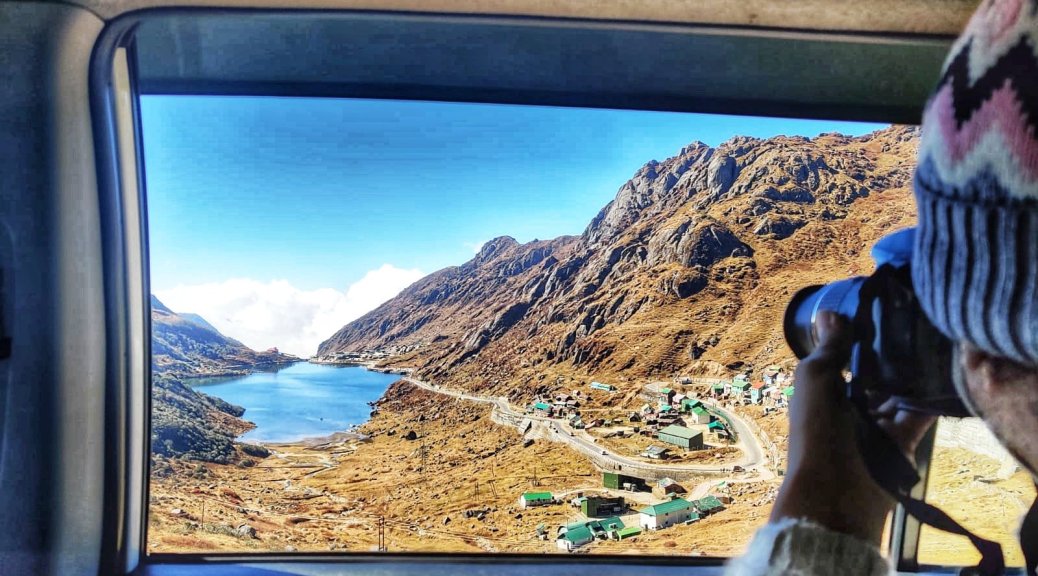
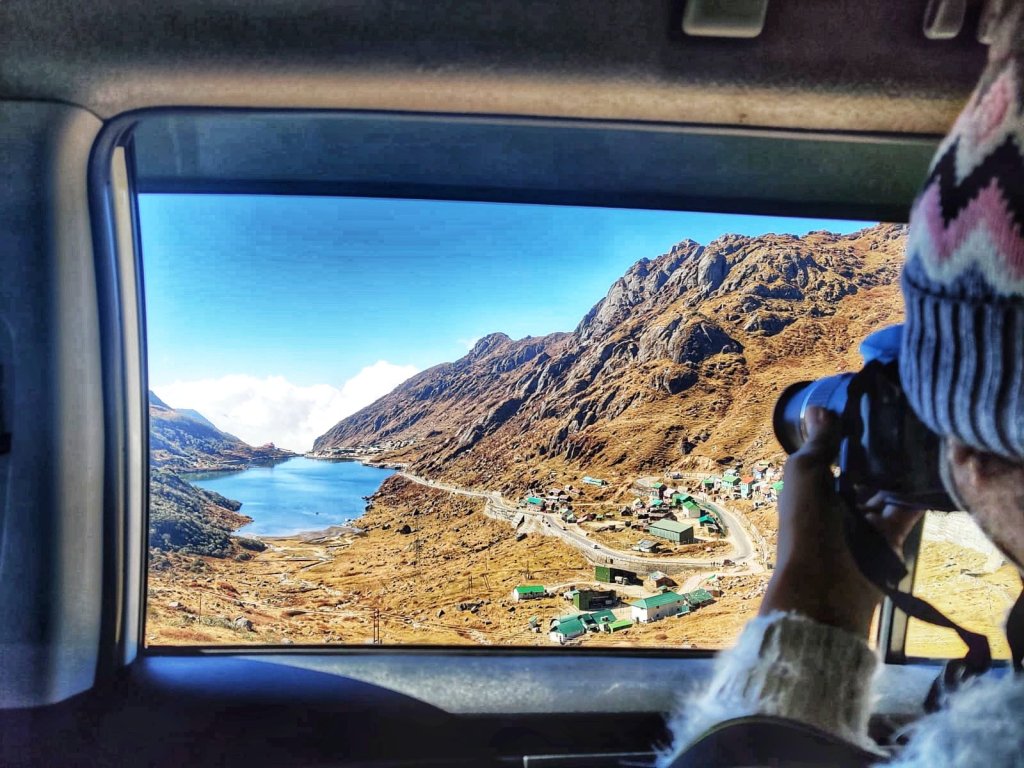
Sooner, the clouds cleared up making way for a gleaming sun in the blue sky. We arrived at the Tsomgo lake in a while. It is a serene lake that is popular among the tourists. We clicked a few photos with the yaks grazing around its periphery before proceeding towards the Indo-China border at Nathula pass.
Nathula was crowded. People were amok and erratic. They had no idea what to expect at an international border. Some were standing in attention with a salute to the Indian tricolor, some were touching and praying the fence that marked the border. Some were putting their feet across the barbed wire to get a feel of going to China and a few more were busy chasing the men in uniform of the Indian army for selfies. And for us, it was a urge to run back to the warmth of the heater of our vehicle 😛 It was biting cold even during the peak of the day. We walked up to the point, saw the border gates of both India and China, the respective embassy buildings, the Chinese and the Indian army camps posted high up and also got a distant view of the mountains that marked Bhutan. We did a quick walk through, taking in all the good views and returned to our vehicle as quickly as we could.
The view enroute Nathula pass Photo credit: Varsha J.
After squeezing out of the maddening crowd at Nathula, we continued our journey towards Nathang valley, only to be stuck in one of the worst traffic jams we had experienced in Sikkim. The last and the major destination on a typical touristy circuit is the temple of Baba Harbhajan Singh. Baba Harbhajan Singh is a folklore hero and an ex-army soldier whose spirit is believed to be roaming around the place, protecting the soldiers posted at this extreme terrain. There are old and the new temples dedicated to him, both maintained by the Indian army. We managed to find our way out of the choco block and continued towards Nathang valley.
Beyond the army temple, I can conveniently say that it was just us all the way. The roads were deserted, except for some BRO trucks and excavators clearing up the landslide prone path and laying new roads. We passed through what the army claims to be world’s highest altitude golf course, several army camps and tiny discrete civilian settlements along our way. Our drive through Nathang valley, thereafter, was something beyond comprehension for our senses, it was so beautiful!
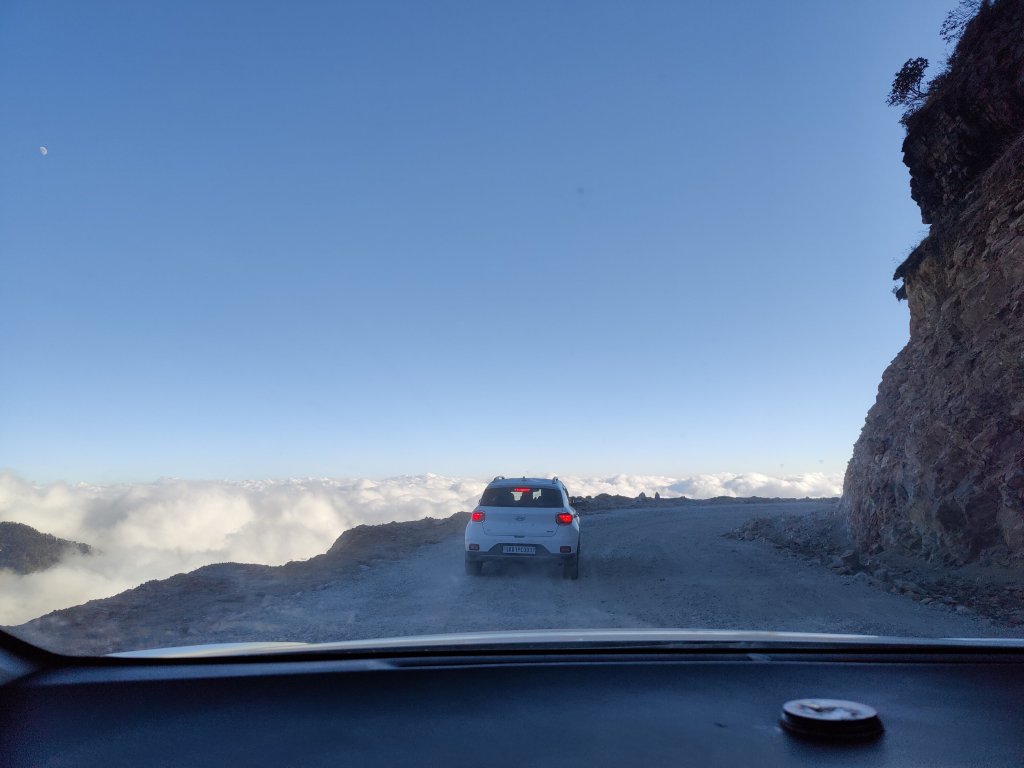
All that we had envisaged of this journey at the time of commencing this drive was passing through a viewpoint and reaching Siliguri for the night’s stay. But as the journey unfolded, we were in for surprises. That day, the clouds had embraced the valley like never before. The road that we were driving on, seemed as if it was curving around the edge of the land. It was clear blue sky with the sun beaming bright and the thick clouds engulfing the horizon. The rhododendron plants had blanketed the entire valley, which I’m sure must be a visual delight during their blooming season. We stopped, like at every half a mile to capture the landscape in our cameras, alas justice be done to what the human eyes saw.
Driving through the edge, above the clouds at Nathang valley
But by late afternoon, the sun had started to descend to the horizon and the fog had taken over again. Our visibility of the road ahead and the possibility to see the view that we wanted, had both now become zero. Our driver soon pulled off our vehicle at a tiny settlement enroute to enquire for availability of a place for us to stay for the night. Lungthung is a tiny village on the valley, with barely 3-4 houses, that too made with metal sheets. By staying in a homestay there, we were going to be the only outsiders for that night at Lungthung!
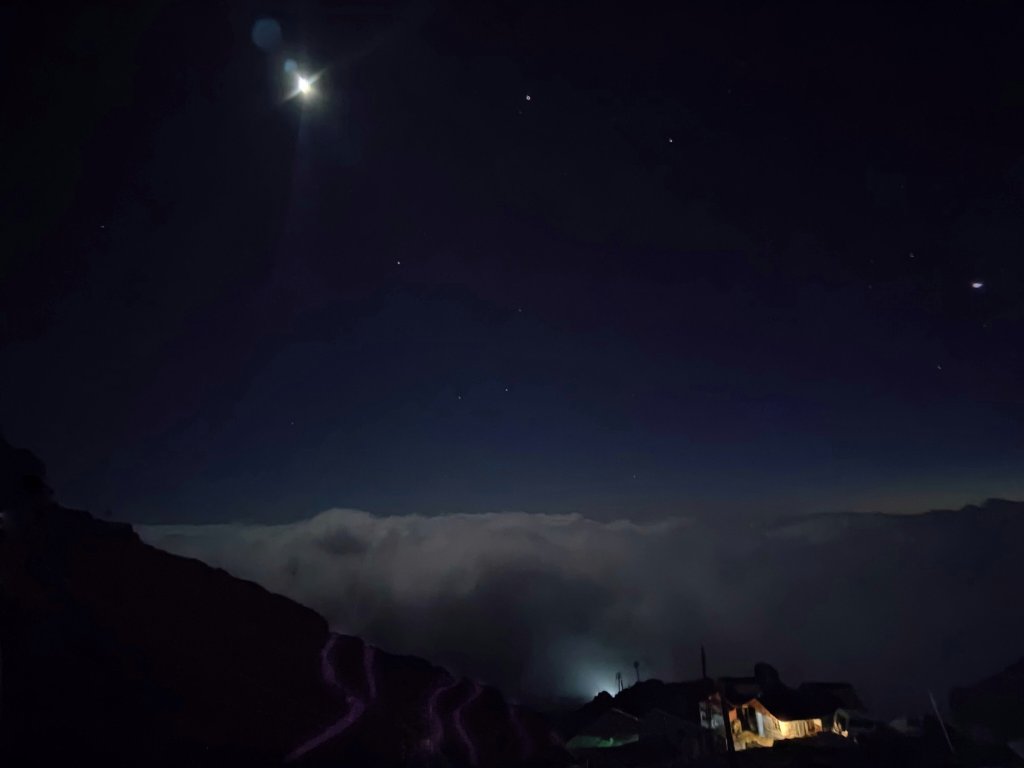
The mercury level was already below zero. But as the night rolled in, the winds too got stronger. The clouds cleared up and the stars and the planets shone brighter than ever. It was our last night at Sikkim and the coldest too! Even as we sat inside the host’s dining room, relishing the handmade thenthuk, we felt like our roof was going to be taken away by the winds. No amount of firewood could keep us warm. Even if we simply stood up for a moment to adjust our seats, they would freeze again. But as I said earlier, it was our last evening at Sikkim before we got back to the grind. There was no way we would hit the bed early. We sat outside, counting stars quite literally… The sky was clear, the moon lit up the road below and a lone filament bulb illuminated a roof at a little distance. Apart from an occasional goods carrying army truck that toughed it out on the slope, there was no civilization around us for miles together… It was an experience so wonderful that we hadn’t imagined about remotely, even a few hours ago… Not in my wildest dreams, had I imagined that I would live a day of my life ON the silk-route!!
The moonlit view of the silk route and the clouds as seen from Lungthung homestay
Anyway, not really being able to sleep due to cold temperature and the noisy sheets fluttering outside our room, we still rolled into our blankets and set an alarm to wake up early. Our host at the homestay had recommended to walk down the road for sunrise…
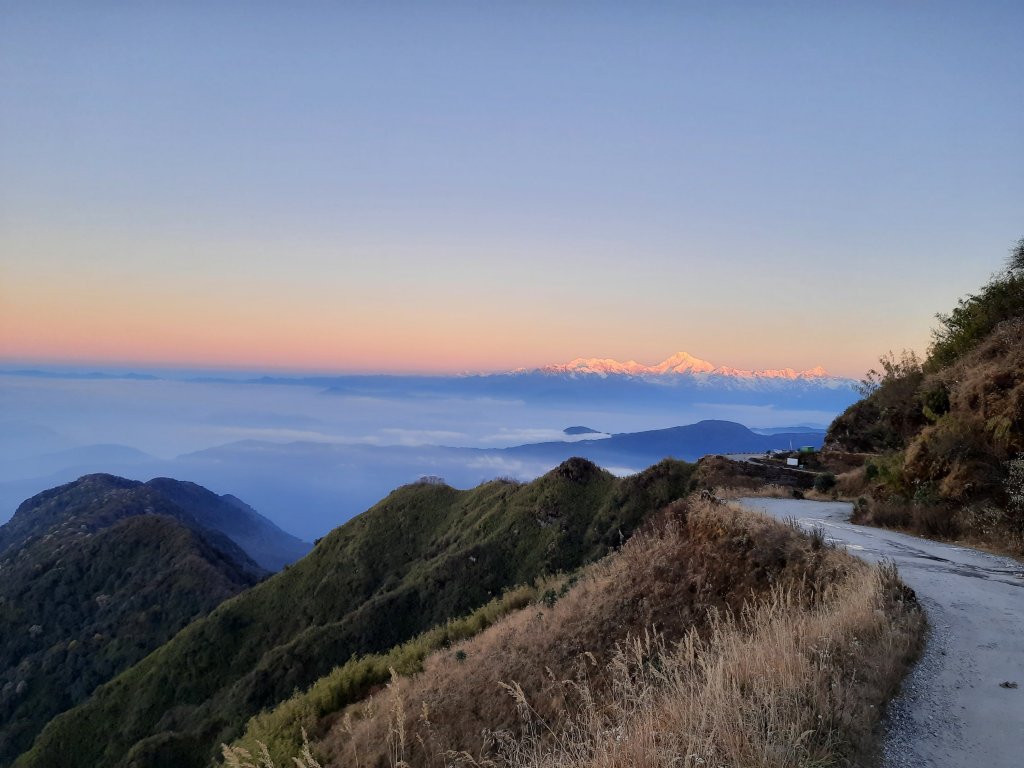
The following morning, it was almost impossible for me to even think of coming out of the blanket. I snoozed the alarm a couple of times. But then something happened. My eyes had one glance at the window glass, and it was enough motivation for me to get my butt off the bed. It was a breaking dawn…. The sky had a streak of deep red, visible right at my window, seen from my bed…. It was for sure, unusual from any normal day. The view made me forget the cold and barge outside to not miss the complete visuals of an unfolding day… I woke my brother up and my friends and we all raced towards the viewpoint that we were told about. We didn’t mind slipping down a couple of times on the frozen roads.
The sun rising over Kanchenjunga at Thambi view point
At such high altitude and low temperature, the running didn’t help to warm us up. As we reached the viewpoint, we were panting for breath and had our jaws dropping. We were gasping, awestruck in amazement at the sight around us, chattering due to the freezing temperature and everything else happened to us at the same time. The moment is inexplainable!
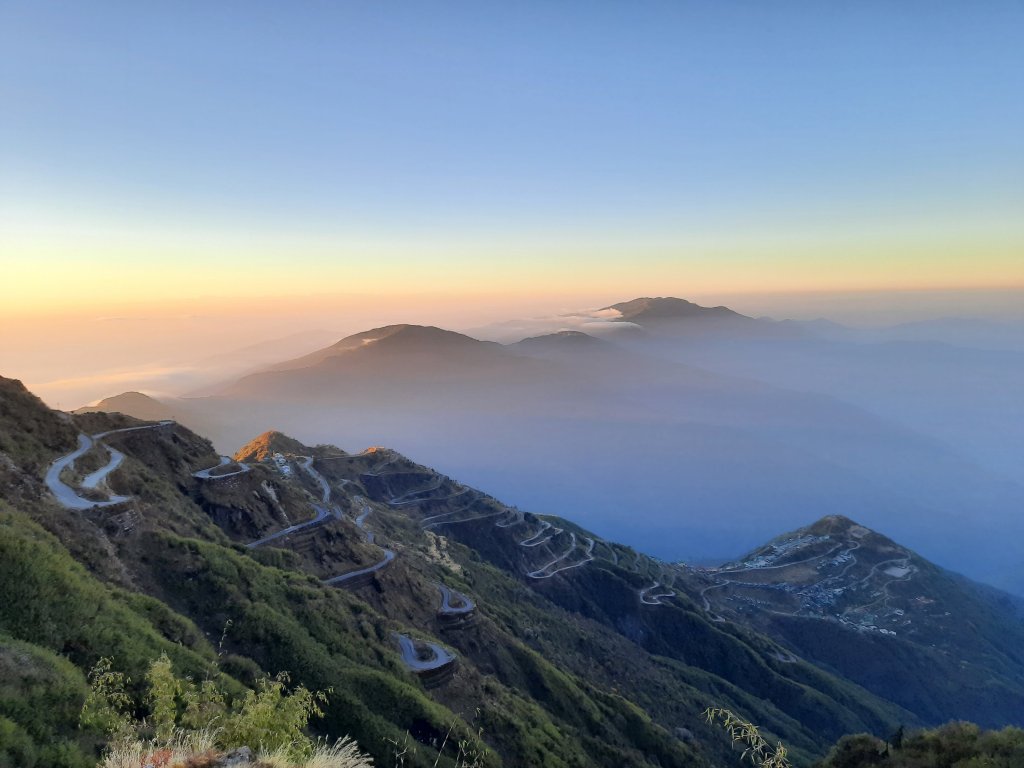
The old silk route at Zuluk valley, as seen from Thambi view point during sunrise
We were standing at Thambi viewpoint and had lost the sense of place for that moment. The Kanchenjunga had lit up in crimson in just a few minutes and the winding roads through Zuluk valley appeared deep down in a while. It was a day and an experience like never before! It was our last day at Sikkim and I could only say that the best was indeed saved for the end!
After an exhausting day exploring the streets crammed with Chettinad houses in Karaikudi, we were dropped at the bus stand to board the local bus to our next destination. The bus snaked through the narrow lanes and we craned our necks out of the window to stare at a few bungalows along the road at Pallathur before we finally alighted at ‘THE’ destination of our tour- Kaanadukathan.
Part 2: Exploring Kaanadukathan
Although we had listed down the must-see things, we felt lost upon our arrival at this village. The place looked like any other village in India and we wondered where had all the stately houses gone, the only reason that had brought us there. It was evening already, and we still didn’t have a definite place to stay. Without having a clue on how to go about further on our trip, we decided to follow our instincts.
Firstly, we decided to walk till that road’s end hoping to find some hotel for our night’s stay. After a short distance, we heaved a sigh of relief when we came across ‘Visalam heritage hotel’. It was a heritage property and expensive on our budget, but it was assurance that there was some place we could fall back to in the worst case of not finding a stay for the night. Having some relief, we decided to walk further down the street in our quest for both a hotel that would fit our budget or for the palatial mansions that had brought us all the way from Bangalore.
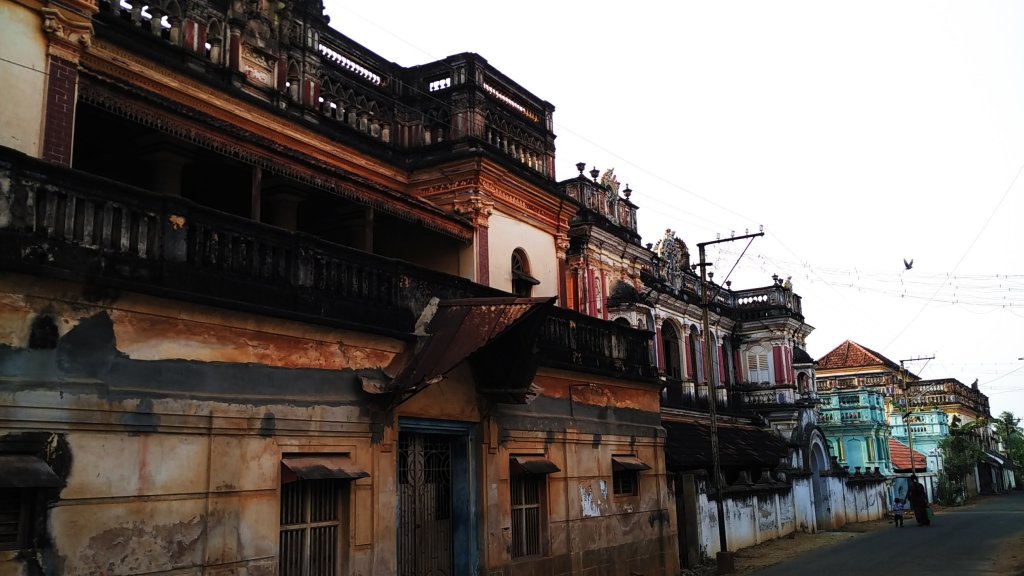
After walking further down the street, my friend and I stopped at the sight in front of us. We were psyched out for a minute when our eyes caught a never-ending stretch of road flanked by the Palatial- country homes on both sides… We were in for an unexpected shock!! We knew there were many large mansions but had never imagined a real street to look just out of a movie setting. The facades of these large villas had fine sculptures of their family deities and the heavy wooden doors at the main entrances were decorated with artistic friezes.
The streets of Kaanaadukathan village
This village in particular did not seem to be very tourist friendly with most of these bungalows being locked up and their owners living elsewhere for various reasons. A few residents, however, have been kind to the keen travelers by permitting entry to their princely manors. Here is a summary of our pursuits of landmarks at Kaanadukathan.
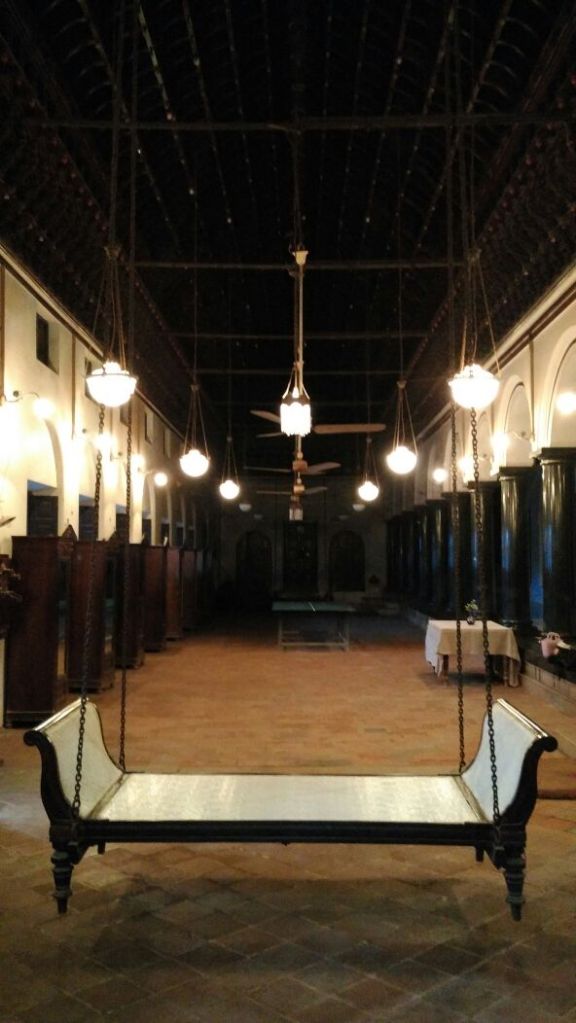
CVRM house: This is one of the very few Chettinad mansions that are open for public viewing that can be visited with a small entry fee. Although, nobody lives in this house now where once lived a large and an affluent family, it is well maintained with some of its antique cupboards, piano, swings etc. kept intact to retain the grandeur of this house. While we were admiring the grand interiors, the caretaker at the mansion recognized that we were lost and offered to accommodate us at her house for the night. Well, meeting such Samaritans needs a separate post.
The CVRM house at Kaanadukathan
We started early on the following morning to make best use of the time before the sun became fully active. There were (ancient) temple visits in the day’s itinerary and a lot of walking to be done. With our host’s support, we managed to book an auto-rickshaw for the entire day and to take us around places as listed below.
The nine clan temples of Chettinad: Temples of Soorakudi, Kundrakudi Murugan temple, Pillayarpatti Vinayaka temple and Vairavanpatti temples are beautiful structures dating back to the Pandya era. These architectural treasures are a win for history buffs in quest of places least touched by the maddening tourists. If one is a pious traveler, one may also consider visiting the temples at Iraniyur, Tirupattur, Velankudi, Kottaiyur, Kandanur and Mathur. Collectively, these temples represent the family deity of each of the nine major clans inhabiting around the region. After having our lunch served by donors at the Vairavanpatti temple, we headed towards our next destination
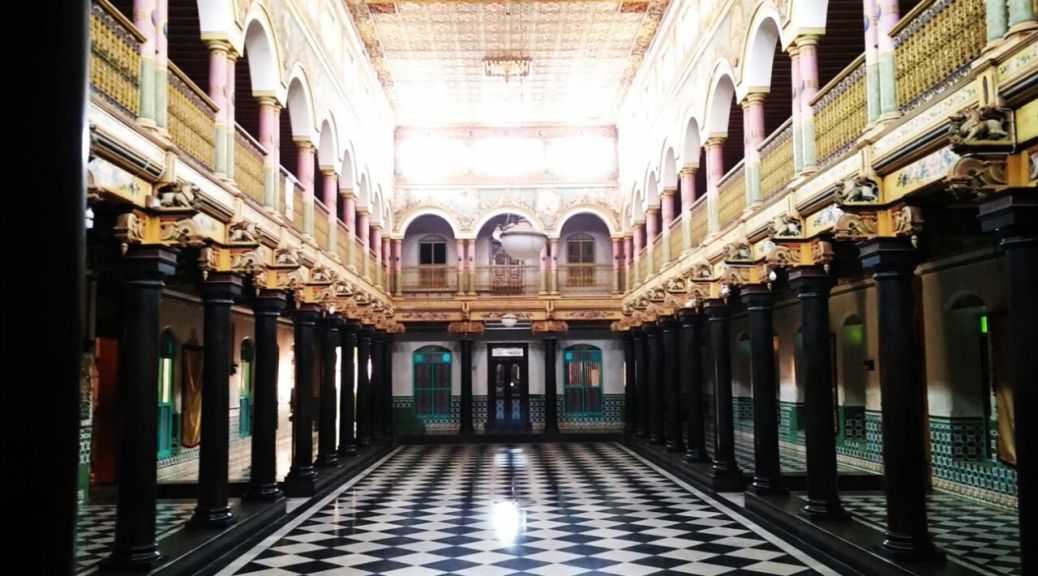
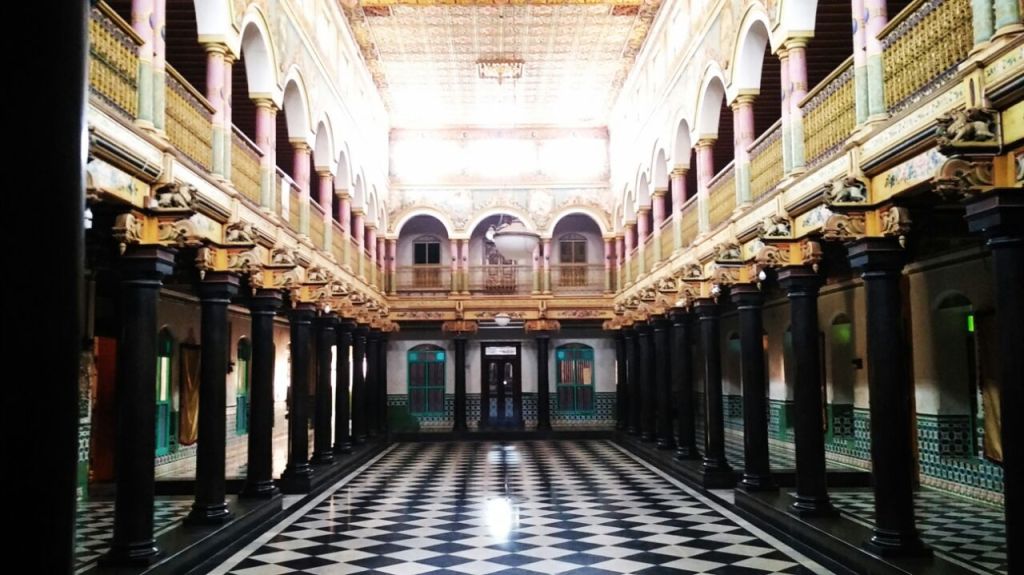
Aathangudi Palace: Fondly called as the ‘Periyaveedu’ for being the biggest house in the village, this mansion is aptly named as the Aathangudi palace. The roofs, the floors, the walls- they made our jaws drop in awe at their splendor and grandeur as we stood in the portico at its entrance. Although, we were charged an entry fee, we weren’t allowed to stay inside the mansion beyond 15 minutes by the caretakers. Their behavior towards visitors was somewhat a turn-off as they chased us out with verbal abuses. Forget observing the intricacies of the architecture of such a place, 15 minutes weren’t sufficient to even take a casual walk around the entire house.
Inside the Periyaveedu- The Athangudi Palace
There was no heed given to requests by our driver even as he tried to convince them in the local language. Pissed off with their attitude, our driver drove us off from there, towards our next destination. Before I continue ranting about our exploration of the region, I pause a bit to talk about my autorickshaw ride: The cranking lever of the vehicle had come off and was kept under our feet (in the rear seat) and the brake pads had worn out till their last dust. That meant, that the vehicle needed to be push started every time we stopped, and the driver had to jump out of the slow-moving rickshaw to stop it every time we wanted to halt. Especially under the blazing sun and some annoying caretakers like the one mentioned above, it is natural to gain a few additional horsepower in our muscles. So, the raging ride from Aathangudi palace until our next stop was quite a thing!
Aathangudi tiles factory & wood art restoration center: This is a place where we met the men who create beauty out of lifeless soil and wood. We observed demonstration of how these GI tagged colorful tiles are created. An art in themselves, apart from adorning all Chettinad mansions, I remember the grandeur of the Mysore and Bangalore palaces whose flooring is made with tiles sourced from Aathangudi.
Making of the Athangudi tiles
Chettinad railway station: This small and least haunted railway station on a typical traveler’s itinerary was included in our list after we had heard that the local Raja had a special waiting room for himself in the railway station. This quick and an exhausting ride ended in disappointment when we reached there. We learnt that the special room is not open to public viewing and will be opened only on special occasions for the members of the Raja’s family.
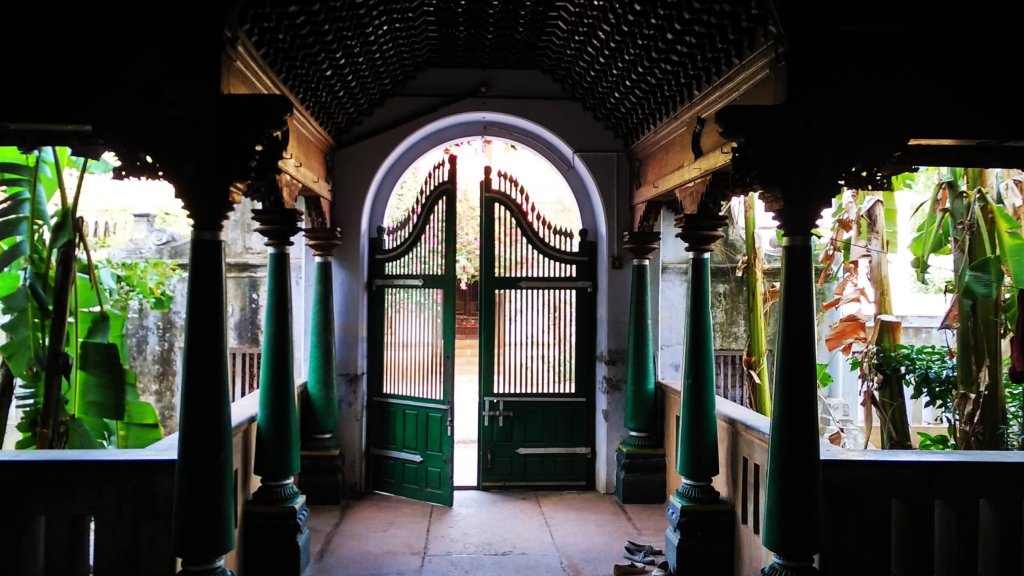
The entrance to one of the houses at Kaanadukathan
By this time, our tummies were grumbling of hunger. In spite of having been in the land of spices for two days, our taste buds hadn’t savored authentic Chettinad cuisine yet. It was a hard hunt for us to find a good hotel that served us authentic Chettinad food. Our craving gustatory cells were finally satiated with a lip-smacking array of culinary delight at a small hotel that we found on a random lookout. Post lunch, we decided to spend the rest of the day exploring the somnolent streets of Kaanadukathan by foot.
Local weaving centers: We shopped for the Kandangi handloom saris from one of the many local weaving centers.
Chettinad Raja’s palace: The largest mansion in the whole of Chettinad is a sprawling edifice extending over an entire lane on all four sides. And that’s why it is called as the Chettinad palace. We made futile attempts to get a small peek into the interiors of this massive dwelling space that I had seen in some of the movies.
Our walk tour of Kaanadukathan continued until dusk. We clicked some nice photos of this ‘heritage’ village with the perfect lighting by the setting sun. Along with the setting sun, we set ourselves for the return journey. We had to reach Trichy on time to catch our bus back to Bangalore. Thus, concluded a weekend in Chettinad- the land of palatial mansions and piquant cuisine.
Must-dos in Chettinad:
Take a walk in the Muneeshwaran Koil street or the antique market in Karaikudi
Shop for a colorful palm basket- The local handicraft that has gained a GI tag
Treat your palette with Chettinad cuisine (I definitely mean Non-Veg)
Take a bicycle / walk tour around the streets of Kaanadukathan
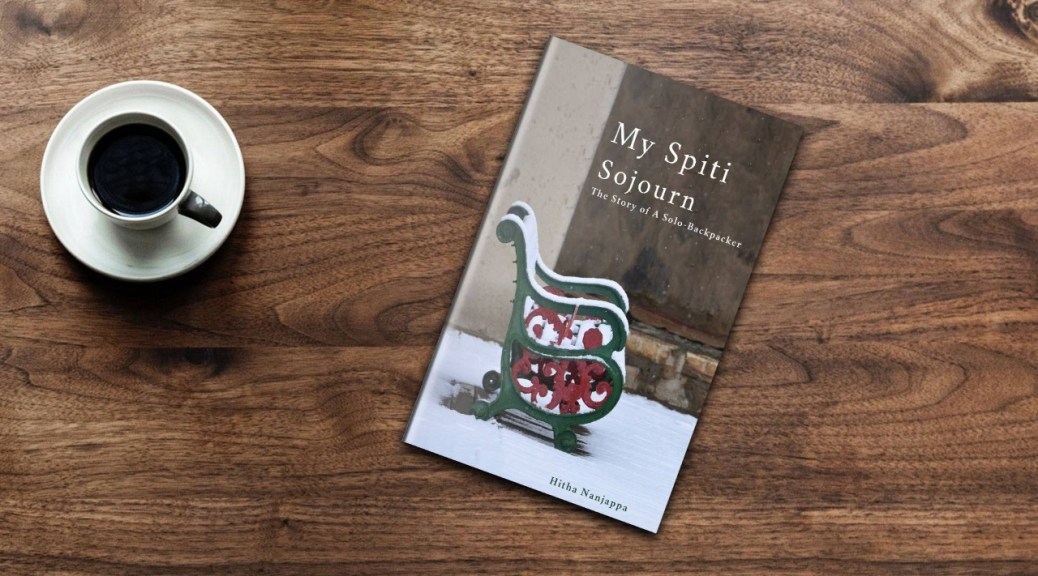
My visit to the arid land of Spiti was my first solo trip in all sense. I have previously spoken about its beautiful landscape and the wonderful people through my blog posts. But, on a personal note this travel has been one of the most impactful trips of my lifetime. So, here is the entire story in the form of an e-book.
Through this book, I seek your company while I backpack alone on a trip to the mountains. I want you to join me when I gate crash a mountain wedding and dance to the first snow. I want company when I confront a mummy and when I visit a vault full of millennium old paintings. Stay with me as I return home with an unsettling chaos running in my tummy. As you read through the pages of this book, you can bite into the juicy apples of Kinnaur all along, walk with me meeting people and go on a virtual trip to the Spiti valley and back.
You can get your copy of the e-book on Amazon by clicking on the image or the link below:
Click on image to buy the copy of ‘My Spiti Sojourn’
Yes, I know the language could have been tuned a little more and the English, could sound a little more polished. But, due to reading the same story over and over again, a few mistakes have outflown, my humble apologies! This book had been compiled in the first covid lockdown (Apr 20) and I have been procrastinating to publish it for over a year now, even post 2nd lockdown I (Apr 21). So, finally it had to be done….. But, I promise that my intention of sharing my story and experiences from the road has been compiled to the best of my abilities. I wish you all read, enjoy your virtual trip to Spiti and share your honest thoughts about it…
The original plan for this short family outing was to make an early morning visit to Sanjeevaraya Swamy temple in Channapatna Taluk of Ramanagara district and return. But, since my workplace is located along the same route, I expressed my disinterest in traveling that way. I pitched in the idea to have a change of route at least for one-way. Hence, I added a couple of other landmarks, picked up an offbeat village road and created a circuit with aid from google maps.
For those of you who are not familiar with the geography of Karnataka, Ramanagara is popularly known for its Sholay hills that was featured as the village- ‘Ramgarh’ in the Bollywood movie Sholay. Channapatna is popular for its cottage industries of wooden toys. I am not going to write about any of these places, the search engines are already flooded enough! I am going to take you around some lesser known places in Channapatna, for a half a day’s trip from Bengaluru.
We set out on a Saturday morning and decided to have our breakfast on the way. Sri.Renukamba tatte idly (translates to ‘Plate idli’ in Kannada) needs no introduction for the Bengalureans. So, after a filling plate of tatte idly at Bidadi, we proceeded towards our intended destination for the day. To reach there, we had to pass through Kengal, a village popular for yet another Hanuman temple. Moving ahead from there along a small deviation, we arrived at our first major destination: Sanjeevaraya Swamy temple at Devarahosahalli village. This is a small stone structure dedicated to Lord Hanuman and dates back to the Vijayanagar era. The deity is believed to be powerful and hence, we were there to offer or prayers following the recommendations of some well-wishers.
After spending some time there, we continued onward to our next destination, a little cave temple located atop of a hill. The drive, the scenery, the canopy of the majestic trees along the highway was a pleasant one. We stopped by to do some bird watching at the Neelasandra lake as well. We could see Pelicans flocking in large numbers.
Our next major stop came as a rather surprise to us. Gavi Ranganatha Swamy temple was a random destination included in our day based on an internet search result. The drive, the location of the temple, the valley, the village view from the temple porch and the overall scenery was just so stunning and unexpected. There was just no one else in the temple apart from our family and a few local kids playing in the hill, atop which this temple is located. You can watch the video of our visit to Gavi Ranganatha Swamy temple below:
Drive to Gavirangana betta
By this time, the sun was already up and beaming bright. So, we decided to drive back, of course through a different route. We descended the Gavi Ranganatha Swamy hill and took the route that connected to Kanakapura. On the way, we stopped at this beautiful location where the highway passes through green farms on one side, a large lake on the other side and the entire scenery was being overlooked by the temple hill.
Vittalenahalli highway and lake
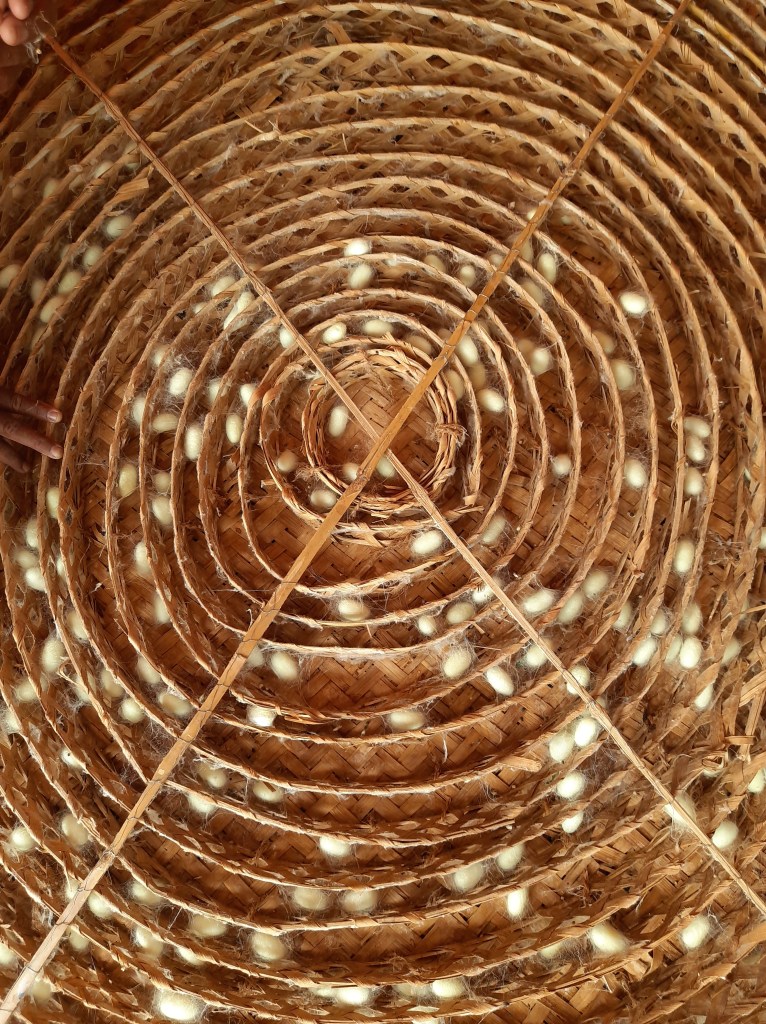
Our drive from there continued through large stretches of rocky hillocks, mango orchards, paddy fields, coconut groves and mulberry farms. Ramanagara is also known for sericulture. Several households in the villages here are involved in silkworm rearing. As we passed through, we noticed that families were sitting out in the verandahs of their traditional houses and collecting the fully grown cocoons from the bamboo trays. We stopped by and walked over to one of the houses on our way and learnt a thing or two about sericulture from them.
Silk Cocoon trays
In a short while, we reached the Kanakapura main road where we had our lunch. Well, it was a late evening lunch before continuing towards home and thus ending a quick trip to the Bengaluru outskirts.
This was a post monsoon, weekend trip I had planned with two other friends who had joined me from Bangalore to Mahabaleshwar. The main agenda of this trip was to visit the ‘Khas plateau’ in its bloom season, but it was just for a day (Click here to read more about my visit). Since we were travelling all the way, we decided to extend the weekend for a little longer by adding a few other places and make it a backpacking trip around Satara district.
Our Itinerary:
Day 0: Leave from Bengaluru to Satara (overnight private bus) Day 1: Satara to Wai (MSRTC bus), Visit to Menavali village & Dhom Dam; Wai to Panchgani (Local bus), Local sightseeing and night’s stay at Panchgani (Walk and shared taxi for local transportation) Day 2: Panchgani to Mahabaleshwar & local sightseeing at Mahabaleshwar (hired taxi for full day); Mahabaleshwar to Satara (MSRTC bus) and night’s stay at Satara. Day 3: Visit to Khas plateau & local sightseeing at Satara town (hired taxi); Return from Satara to Bengaluru (overnight KSRTC bus)
The details:
Day 1: Wai and Panchgani.
Since we required to start our Khas plateau visit from Satara, we decided to visit the places around the town later (on day 3). So, we moved ahead on the day of our arrival at Satara.
After alighting at Satara bypass on NH4 that morning, we hired an autorickshaw to reach the bus stand located in the town. From there, we boarded a MSRTC bus to our first major destination of the day: Wai.
Part 1: Places to see in Wai
I had come across the name of this place in a newspaper supplement. I had read that a large part of Shahrukh Khan’s “Swades’ movie was shot in and around Wai. Since we had to anyway pass through this place to reach our intended destination of the trip, I thought it was a good idea to add Wai it our itinerary. However, we had no idea of what to see and things to expect in Wai. We decided to just go there and explore the place by ourselves. Upon our arrival at Wai, we enquired with a few locals who guided us to the banks of the Krishna river.
A. Menavali village: A walk of good couple of miles from the Wai bus stand, we arrived at this village located on the banks of river Krishna. The locals call this as the Wai ghat as well. Apart from being a prominent setting for several Bollywood movies, the Wai ghat is also an important destination for history and archeological buffs. It holds great treasures from the times of the Marathas and the Peshwas. It is especially known for the contributions by the 18th century Maratha stateman- Nana Phadnavis.
Phadnavis Wada: Wada is a local name for a residential mansion with an inner courtyard. Residential complexes leading to river banks on one end and housing temples is a signature architectural style of the Peshwa era. The Phadnavis Wada located on the Wai ghat is one of the handful of such structures that still remains intact.
We did a quick visit to the Dholya Ganapathi mandir & Sri Kashi Vishweshwar Mandir (This temple is called as the Kashi of Maharashtra), both situated on the river bank.
Wai ghat on the banks of river Krishna at Menavali village
As we took a stroll along the ghat, I realized that reality was far from the destination on reel. The real Wai looked very laid back and rustic. However, we decided to sit by the riverside and spend some time by photographing the local kids enjoying their time by diving and swimming in the polluted waters of the ghat.
B. Dhom dam: This waterbody is a good place for water sports with a nice view of the surrounding mountains. Located at about 10kms from Wai and connected by frequenting local shared jeeps, it is a nice place for catching a sunset. But, we gave this is a miss since we hadn’t booked our accommodation and has to reach our next destination ASAP. The bus left Wai and travelled around the curvy road of the mountain. The entire journey was beautiful with great views of the Dhom dam whose waters reflected the clear blue sky.
Part 2: Places to see in Panchgani
We had alighted at our next major destination: Panchgani. Although Panchgani is a small hill town that doesn’t extend beyond a stretch of 2 kilometers, surprisingly, it is an educational hub of Maharashtra. Around 42 international schools are located here. Given its small area, all the popular tourist places in Panchgani are located close by. So, we decided to get off with our backpacks at the entrance of the hill station, explore the landmarks and then find a place for our stay. The details of our time in Panchgani is as given below:
a. Harrison’s Foley view point: This is the first major landmark you come across, even before you actually enter the town. However, we thought of giving it a miss because our next stop was going to give us a view of this Foley as well.
b. Sydney point: We got breathtaking view of the Dhom dam from here. After a long day travelling and walking with our backpacks, we thought this was just a perfect place for us sit down and soak in some relaxing views. We sat down right there on the footpath, facing the dam and spent some peaceful time amid nature. After spending some good time and having all our limbs relaxed, we walked back towards the main road.
c. Table land: Our actual plan was to check-in to a hotel and sleep early that evening. However, we changed our minds and decided to visit the table land to use up our time in the remaining daylight. Sometimes, even with no plans, god really wants you to be at the right place at the right time. That’s how this evening turned out to be. As we went up the road leading to this place, it looked like quite a mela up there. There were so many makeshift shops set up and the place had been littered all around with plastic bottles and wrappers. But, as we walked past the maddening crowds, we saw that the table land was a vast stretch than expected. We decided to walk the entire land before dark. The grassland was naturally gifted with vast stretches of native flowers: all white, purple and yellow. It was a magical place that got us busy photographing the silhouettes of the grazing cattle, the horse riders etc. against a beautiful backdrop of the setting sun. An artificial lake amid the grassland added romance to this place. The sky was painted in all hues with a beaming full moon reflecting in the lake’s water, adding to the spectacle. It felt like as if the sun had gone down sooner that day. With that, we had to scoot out of the place as area suddenly started to feel deserted and had no guiding lamps to the main road.
d. Rajapuri caves: This place falls on the way up to the table land. We were told that the cave has a temple dedicated to lord Ayyappan and hence, women of menstruating age are not allowed inside. With that, we headed back to the town and checked-in to a hotel.
We wanted to have some food that are a must try in Panchgani. So, we dumped all our luggage in the hotel room and set-out to walk around the town, yet again.
Panchgani is famous for channa, chikki and fudge: the shops say this all over the place. So. we picked up some of these to carry back home.
What caught our attention was a bottle of strawberry wine at a wine store.
The day’s events concluded with a sumptuous spicy hot ‘veg Kolhapuri with roti‘ for dinner.
On the following morning, the idea was to be at the table-top for sunrise. However, we snoozed the alarm for a little longer and we woke up only when the hotel staff rang the doorbell. We then started our day with a yummy plate of Poha for breakfast and hired a taxi to our next destination: Mahabaleshwar.
Day 2: One day at Mahabaleshwar
The hill station is a favorite haunt of tourists from the nearby metropolis and afar. Mahabaleshwar can be broadly classified into two parts, the New and the Old. Both have been explained in detail in a separate post as the list of things to see and do in Mahabaleshwar is going to be long.
Kate’s point and the elephant head view point at Mahabaleshwar
Day 3: Satara and Khas Plateau
This day was the sole reason that had got us to plan this entire trip. We woke up early to reach Khas plateau for sunrise and get some wonderful photographs. Being early gave us the benefit of avoiding the scorching sun and also to escape the crowds that would normally pour in at a later time.
Apart from my visit to Khas plateau that requires a separate post, I am listing the places of interest around Satara town for those wishing to explore this region:
a. Around Khas plateau: If you have sometime in hand, you can drive further from the Khas lake to reach the boating village of Bamnoli and take a boat tour to Vasota fort or Tapola. b. Vajrai and Thoseghar waterfalls: These picturesque places were a disappointment when we arrived there as these are mainly rainfed cascades. c. Chalkewadi windmill station: Considering that we had visited a windmill station earlier, back in our home state and to save time, we gave this place a miss. d. Forts for the history buffs: Sajjangad, Ajinkyatara, Pratapgad, Kalyangad are places that can all be covered, but only with the convenience of having own transport. We skipped our visits since we were largely dependent on public transportation and taxi service that was expensive. e. Natraj temple: This ancient structure located in the center of Satara town, is worth visiting
The Pink balsam carpet at Khas valley
Food to try in Satara:
Kandi peda: This is a specialty sweet of this region
Zunka baakri: This is roti made of a locally available variety of maize, we had it for a late lunch that kept us filled throughout our return journey.
Fresh strawberry with cream in Mahabaleshwar.
We boarded a bus back to Bengaluru and thus, ending a long weekend in Satara.
The Coromandel coast on the south-eastern shoreline of India extends from Nellore till Kanyakumari. I have tried to traverse the entire length of this coast and explore it to the best of my abilities. Although not all at once, I have managed to do it in parts as explained below.
Part 1:
The topmost point of this region starts with lake Pulicat. The fondest memory I have of this place is witnessing a rocket-launch at Sriharikota. Apart from that, lake Pulicat is the second largest brackish water lake that is home to several avian species. I couldn’t help but take a boat ride with the help of a fisherman to see the greater flamingoes that come here annually during their breeding season. My family and I just went into the middle of this large waterbody and decided to lose ourselves in the moment. It was a moment of sitting in front of a million flamingoes and enjoying the vastness of the planet.
The Rocket Garden at Sriharikota
Part 2:
I have explored Chennai during multiple visits for business and leisure. One of the most memorable of them all was my visit to this city with my friends, volunteering for ‘Turtle walk- A sea turtle conservation event’. That was sometime back when I had just graduated from college. We had seen the beaches of Chennai coupled with a visit to Mahabalipuram. Thus, touching the northernmost tip of ECR (East Coast Road) in Tamil Nadu during this trip.
The Baby turtle- Our prized catch for the day
Part 3:
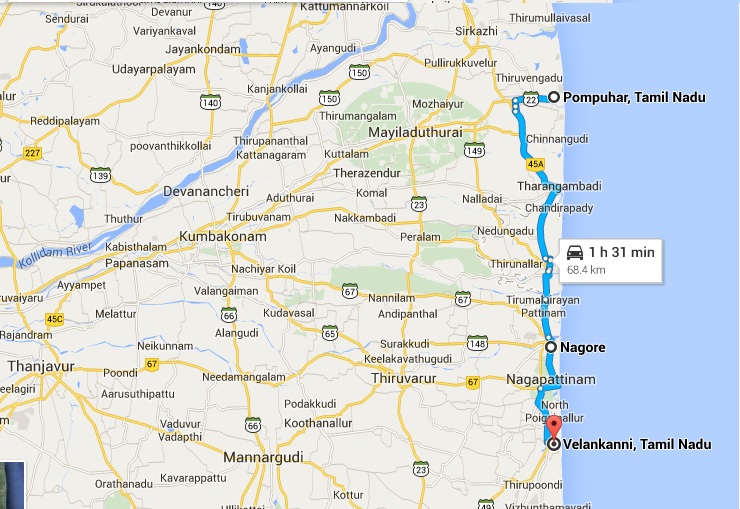
This was a family backpacking trip, mainly conceptualized by my dad and one that had been long due on his bucket list. He wanted to see how the end of River Kaveri; our family deity looks like. Our family of four planned to cover a portion of the Coromandel coast during this trip. Our itinerary for this trip was Bangalore – Mayiladuthurai – Poompuhar – Tarangambadi – Karaikal – Nagapattinam – Velankanni – Tanjavur – Trichy – Bangalore.
This remains to be one of the BEST family trips, even to date. We travelled by train, local transport and public buses during the entire trip and hotels/ lodges were booked after reaching the planned destination. Since this itinerary was mostly planned by my father, we were able to more-or-less stick to it without any surprises.
Part 4:
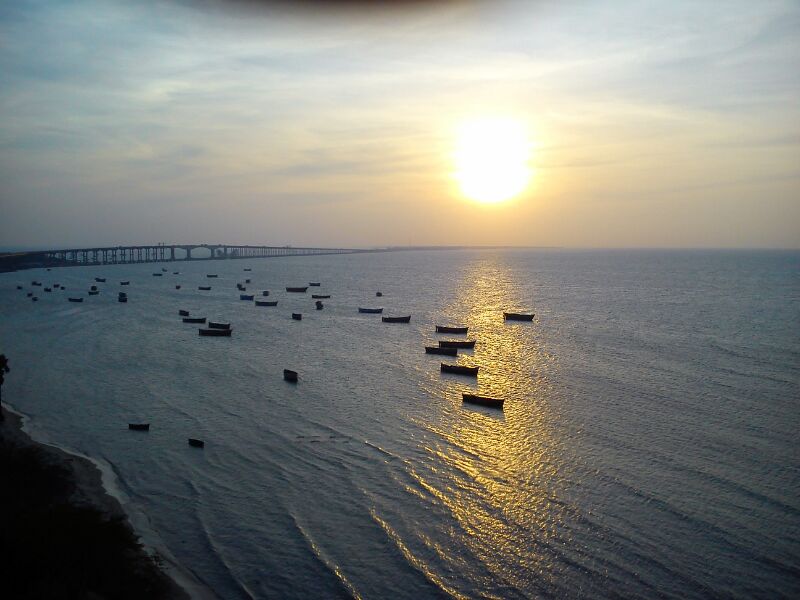
This was an offbeat backpacking embarked on by my friend and me to mark the 100th anniversary of an engineering marvel. We took a train ride over the iconic ‘Pamban bridge’ that connects mainland India to the island of Rameswaram. Our itinerary was: Bangalore – Madurai – Ramanathapuram – Rameswaram – Dhanushkodi – Kurusudai island – Rameswaram – Madurai – Bangalore
The sunset and Pamban bridge view from a fishing hamlet
The holy town of Rameswaram needs no introduction (Click here if you want to know more about our trip). From there, we explored the ghost town of Dhanushkodi and caught a glimpse of Ramasetu and managed to gain access to a protected island and get mind blown with the natural treasure of the gulf of Mannar. (Click here to read more in detail).
Part 5:
This time, I decided to use my week-long plant shutdown for Diwali at my workplace, to cover the remaining of the Coromandel coast in this south Indian state. For this to happen, my brother and I had embarked on a backpacking trip with the itinerary in which we originally planned to cover Bangalore- Kumbakonam – Gangaikondacholapuram – Chidambaram – Pichavaram – Pondicherry – Tiruvannamalai – Bangalore
Although the main intention was to cover ECR, we couldn’t make it as the weather ruined our vacation and we had to return home mid-way, only to visit those places at a later date. The best part of this trip: Seeing the grandeur of two of the greatest living Chola temples in an off-tourist season. (Click here to read the detailed itinerary) But, what’s the highlight? Finding a place on the globe that I wouldn’t want to visit again (Click here to read my nightmarish travel experience).
Airavateshwara temple at Darasuram
Part 6:
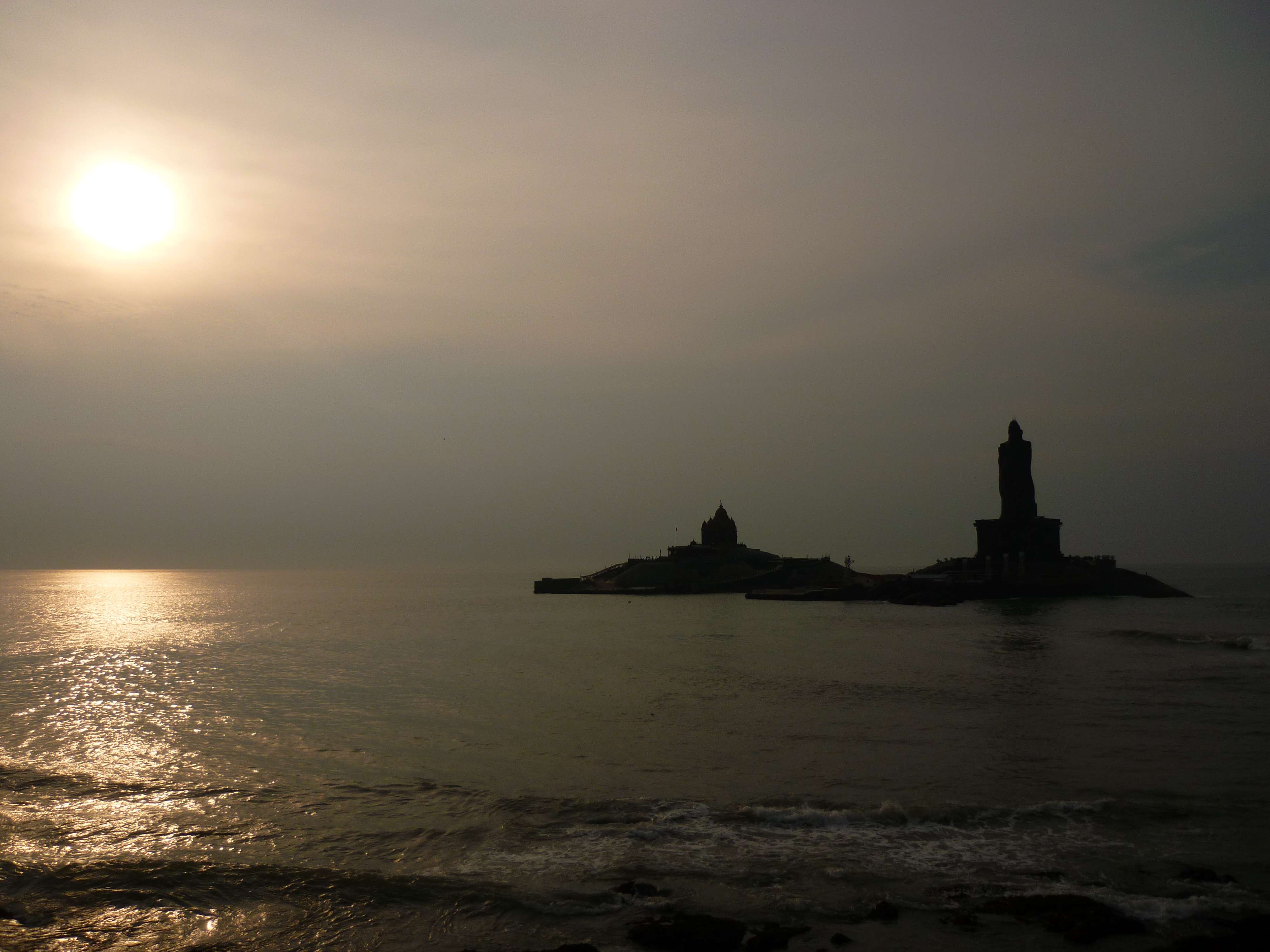
Kanyakumari- the last stretch of the coromandel coast and the last bit remaining on my shoreline itinerary. This too was part of a family trip to the edge of Indian mainland. However, unlike all my previous family vacations along the ECR, this was a well-planned itinerary with all bookings sorted (Click here for the complete story). The whole intention of this trip was to see the famous sunset and sunrise at the edge of Indian sub-continent but that, however, continues to remain undone!
View of Thiruvalluvar statue, post Sunrise at Kanyakumari
Have you done a road trip in East-Coast road of India? Which is your favorite destination? Let me know in the comments below.
Karnataka is one of the most beautiful Indian states that weave both heritage and contemporary culture together in a beautiful blend. Karnataka is a hub for travellers looking for some adventurous things to do or for globetrotters planning to travel amidst nature. From the strikingly beautiful hill station of Coorg to the ancient ruins of Hampi and from historic Mysore to the tech city Bangalore, Karnataka has never failed to amaze people with its hospitality.
And since this state attracts thousands of travellers each year, one can easily find some amazing resorts right from the budget category to the most luxurious ones. Luxury resorts in Karnataka help you tailor your vacation or work trip just the way you want! The cities have quaint boutique resorts that will make you forget the bustle of the town, and then there are resorts where you can go and have the perfect business meeting. These resorts are some of the best in the State, offering world-class amenities with all the warmth of traditional Indian hospitality.
1. Purple palms resort & spa, Kushalnagar
Purple Palms Resort and Spa is one of the best luxurious resorts in Karnataka. Relax in a magical paradise that makes your greatest wishes come true. Experience the lush green surrounding and serene beauty bounding the resort and witness the beautifully crafted rooms with the bliss of luxury and soothing comfort. Dive down in the swimming pool and fill your day with fun and give yourself a treat by relishing a delicious breakfast with a local touch at Purple palms resort & spa.
Indulge in the luxurious ambience of his amazing resort that makes you feel royal. If you can’t resist the allure of the hills, step out for a regal sojourn. This resort has all that you and your family are looking for a perfect holiday with all the tourist attractions in the vicinity. You may relax and rejuvenate at the Resort’s Spa with Ayurvedic and Western massage that will cleanse your mind and body to make your stay at our resort more meaningful.
2. Evolve Back, Hampi
One of Karnataka’s most treasured gems, Hampi is full of history and serenity. With various rulers reigning over the Vijayanagar Empire, the map of Hampi was designed in such a way that today, it stands as one of God’s blessings to humankind. Offering a spa centre and hot tub, Evolve Back Hampi is located just 4 km from the UNESCO World Heritage Site of Hampi.
Here at Evolve back resort, you will experience the Vijayanagara Royal Style at Evolve Back Kamalapura Palace, Hampi – an opulent palace whose stone-paved boulevards, arched hallways and regal chambers reflect the royal lifestyle of a past but glorious era.
3. The Tamara, Coorg
The Tamara Coorg, a luxury experience nestled in the heart of the hills, is a perfect place where you can rediscover the joy of being in nature, where your quest for serenity will end. Lush greenery, aromatic coffee plantations, spices, beautiful streams, and flowing waterfalls, all experienced in a stunning eco-resort. Your stay at The Tamara Coorg will be filled with uniquely curated experiences and nature-based activities as the resort spans 180 acres and is located over 3,500 feet above sea level where you will experience nature and luxury at its best as you wake up to the breathtaking view and the calming silence of the hills, disturbed only by the chirping birds and the crackle of leaves.
Wake up to the smell of tranquilizer coffee, and enjoy the scenic beauty and try so many activities in the house, and the expert yoga instructor will tailor a perfect session for you. You can even enjoy a private gourmet meal under an open sky at a variety of stunning spots.
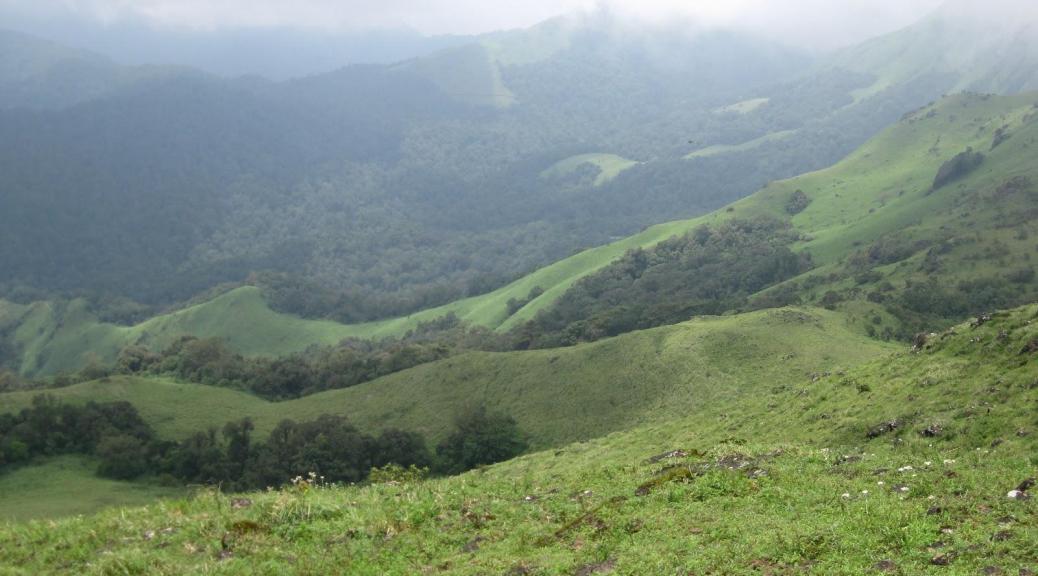
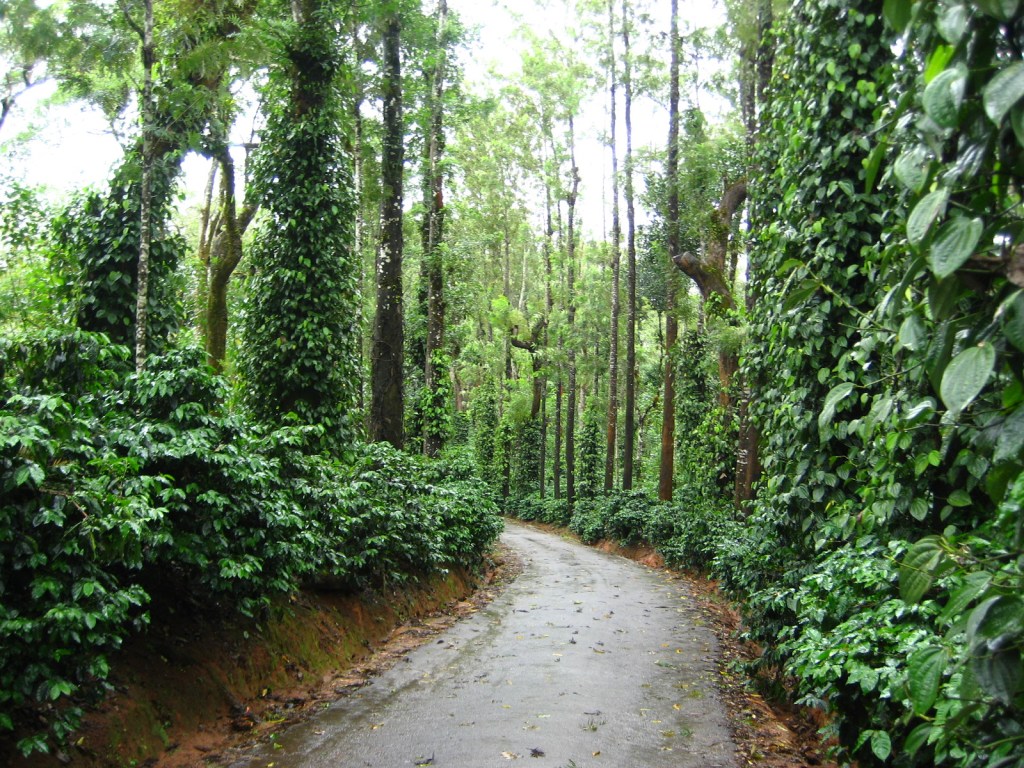
Coorg- Coffee trails
4. Coorg Wilderness Resort
Coorg Wilderness Resort is nestled amid the deep valleys, majestic hills of Coorg and away from the hustle and bustle of the city. Move into the wild and find a distinctive ethos of extravagance implanted in the thoughtful lap of nature. The luxury from this resort with rich European-style masterful rooms and palatial suites that are spread across a large area and allows you to stay in Karnataka luxuriously.
The ambience is so warm, and the air is so cool and cozy, air-conditioning is not required throughout the resort. During romantic rainy days of the famed monsoons and lazy, gentle winters, you will find each room is cozily warmed with traditionally designed electric fireplaces; the facilities and unparalleled quality of services provided by the staff are worth spending your vacation. For adventure and thrill lovers, the Coorg wilderness resort will fill your heart with contentment and excitement through various outdoor activities like trekking, coffee plantation tours, and other adventurous activities.
5. Machaan Plantation Resort, Sakleshpur
The resort is tucked within a coffee plantation in Sakleshpur. Machaan Plantation Resort is ideal for a quick getaway to relax, rejuvenate, and refresh your inner self. Workspace at the resort will help you break free from routine, and your family would also rejoice in a change in environment. Your pre and post-work routine could be a host of activities ranging from estate walks, yoga in the outdoors, visit a waterfall, trekking, evening barbeque, to name a few. The resort has an outdoor pool where you can just lounge all day and enjoy splashing pool water. The sit-outs are ideal for lazing in & enjoying marvellous views of the hills and valley. On a rainy day, one can curl up with a book and a blanket here if you want to be in the room. Then each room caters for the views of hills and mountains, which will refresh you in seconds. A day here would not be complete without a campfire, a bonfire area that gives access to a 360° view of the night sky.
This was a part of our family’s five state road trip covering Chhattisgarh – Odisha – Andhra – Telangana – Karnataka in Dec’20.
The visit to the place described in this post was impromptu. While I had just woken up at Rajahmundry and was scrolling through the watsapp status updates of some of my contacts, I happened to see a post with green paddy fields that was captioned as ‘Andhra’s best kept secret- Konaseema’. The videos of my friend driving around those green paddy fields and through the roads lined with coconut trees had me hooked instantly. For a moment, I was reminded of the Kuttanad or Karavali regions of the neighboring states. I looked up on Google and realized that I was just around. As per the original plan, we were supposed to leave for Bengaluru by Afternoon. The drive to Konaseema was in the opposite direction. But, noting a few special things to do in this region, I managed to convince my family to allow me to drive for about 30 additional kilometers before returning to Bengaluru.
Firstly, we drove through the Dowleshwaran barrage. It is one of the chief sources for water based agriculture to the several villages in the surrounding. This heritage barrage passes over the group of islands created by river Godavari. The lush greenery and sandy beaches of these islands seemed to me like they were gleaming in joy from the nourishment of mother Godavari. We were told that boat rides to these islands can be availed during early mornings by talking to the local villagers. For now, we couldn’t afford it on our schedule and hence, proceeded by adding it to our to-visit list. The destination that I wished to visit in Konaseema on this trip was a tiny village called Athreyapuram.
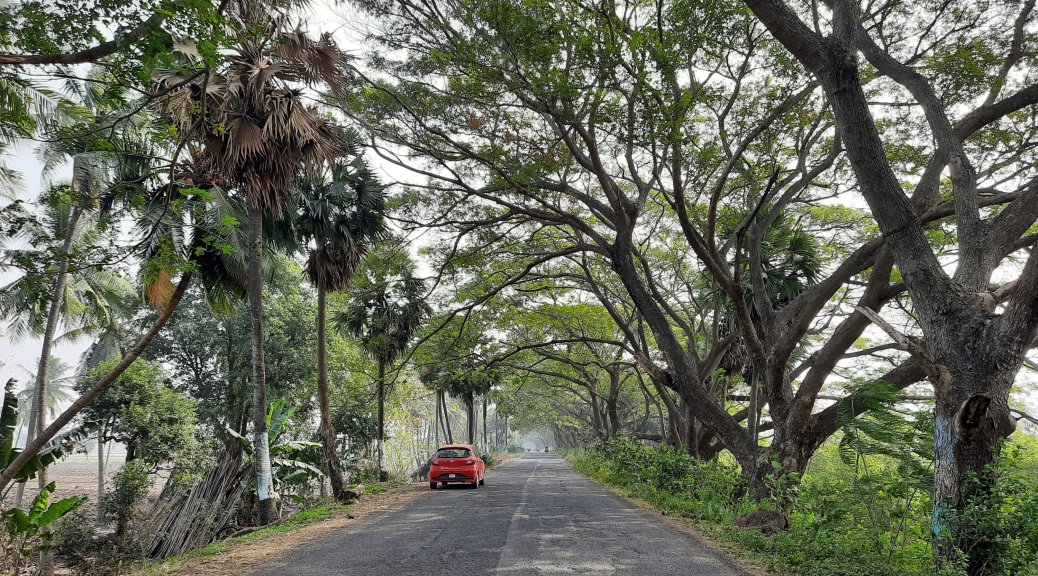
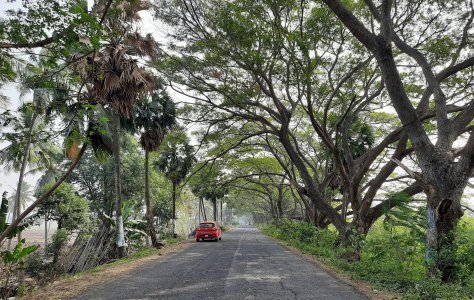
The serene roads of Konaseema
After crossing the Dowleshwaran barrage, the roads suddenly transformed from noisy and dusty to a serene and scenic stretch with lagoons, banana plantations, paddy fields and palm fringed canals. With number of tiny shops suddenly lining the road, we did notice that we had entered Athreyapuram. But the drive and the scenery was so serene that we lost track and drove past the village and gone ahead. We came into our senses only when we realized that there was no sight of any more shops on the road. What shops? These are shops that sell a traditional sweet of Andhra Pradesh called Putharekulu. What’s so special about this Andhra sweet one may ask. This is a snack that looks like paper and tastes like sweet.
It was several years ago that I had tasted this peculiar looking paper at one of the events hosted by the department of Khadi & cottage industries. But it was long forgotten and the memories were rekindled by the early morning watsapp post. It had gotten me all drooling until I reached Athreyapuram. This tiny village is where this sweet paper was invented! For an unassuming person, it looks like lot of ghee, nuts and jiggery is rolled into a super thin white tissue paper before eating. But it is not just the ghee and the jaggery that gives it its flavors, making of this paper is in itself a labour intensive job.
We returned back looking out for a shop and we stopped at a small family run establishment. The excited family demonstrated the steps of making a perfect roll of this traditional Andhra sweet. Boxes of authentic Putharekulu were the souvenirs we bought for our friends and family. Here, is a small video on our drive around Athreyapuram and the demonstration of making Putharekulu.
A tour of Athreyapuram
This is my humble attempt to promote local tourism and help small businesses in these trying times. Please try to reach out to them and order your favorite local products from around India.
What is that one favourite souvenir you have bought from your travels? Please do share your thoughts on this post with me. I would love to hear them.
They say a pen is mightier than a sword. A good writer can win a great battle. I guess it has been all the more true in the Gen-Z era. Although the pen has been replaced with keypads, the social media warriors have continuously upped the war of words 😛 But for a few old-school goers like me, nothing can replace the joy of holding a pen between the fingers and scribbling on paper. The thought instantly takes me back to the earliest days of life when I graduated from a chalk and slate to a pencil and paper. When we reached middle-school, I was a proud owner of my first pen. Writing with a pen was a symbol of growing up; we flaunted it around with those younger than us in school. “Don’t use a ball-point pen, it will spoil your handwriting“, was an instruction given by a teacher to all of us. Filling ink into the fountain pens was a mandatory part of our daily chores. On days that we either wrote more or forgot to fill inks, we would barter drops of ink with our classmates. Although ball-point pens made their way and stayed in the comp-boxes of my pals by the time we reached high-school, I somehow carried the instructions of my teacher with myself for a little longer. I switched over to a ball-point pen only after I graduated from college. But my love for fountain pens and writing on paper still lives on. This is the long story in short, about my connection with fountain pens.
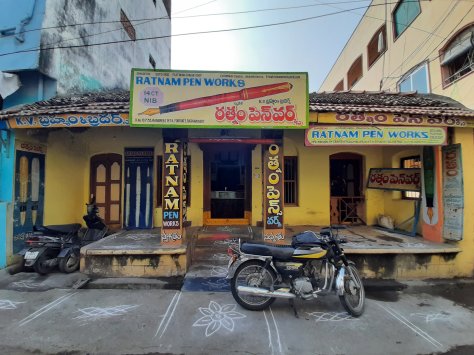
Rajahmundry is a big city in Andhra Pradesh. It is one of the largest exporters of textiles, rice and horticultural products in India. But ignoring all that, my need for exploring the congested bustling streets of the city was to find a fountain pen. With the help of Google maps, I walked through the narrow lanes of the busy shopping area to locate an old graceful house dating back to pre-independence era and surrounded by tall modern buildings. The house was an elegant traditional structure built and maintained in its original form with clay tiled roof and a large open central courtyard. That morning, I had come there to buy an art piece – ‘The Ratnam Pen’.
Ratnam Pens- Manufacturing and Sales Outlet
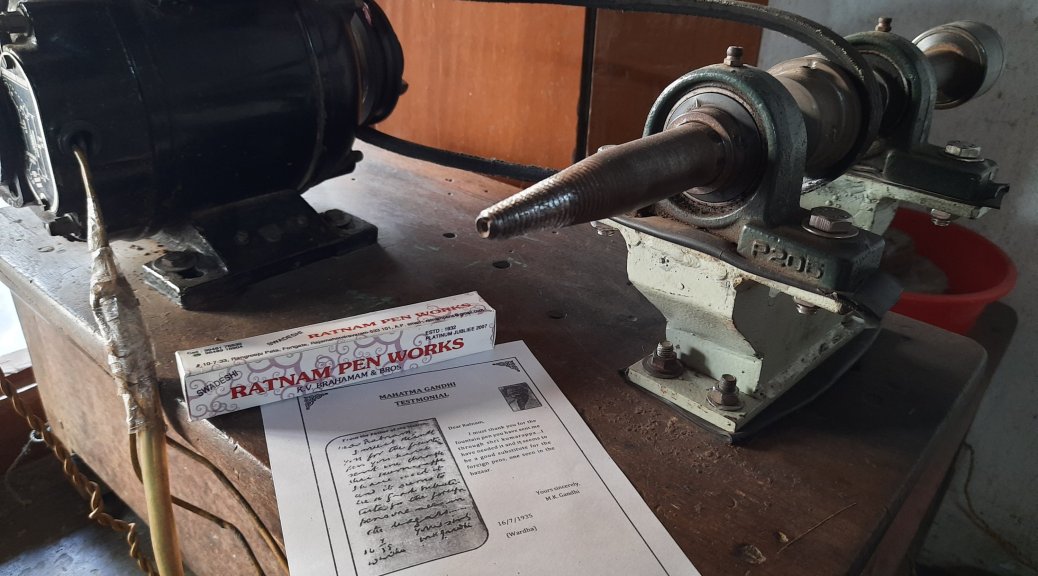
‘Ratnam pen works’ is a heritage fountain pen maker who has been one of the earliest in this business when Mahatma Gandhi largely promoted ‘Make in India’ concept through his ‘Swadeshi’ movement. These pens have been used by some of the famous personalities from across the country and the world. Ratnam pens are a delight for every pen collector. A framed paper on the wall is a prized possession of this craftsman. It is the original copy of a handwritten letter by Gandhiji to the owner of this place in appreciation of his contribution towards the swadeshi movement.
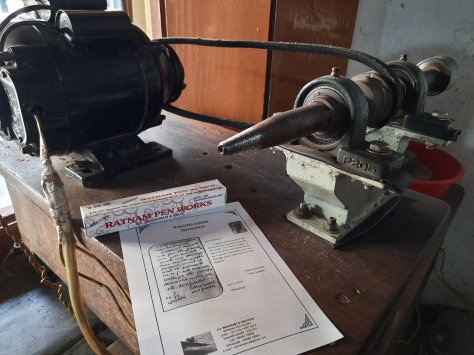
A copy of Gandhiji’s letter, a fountain pen case and the lathe machine at Ratnam pens workshop
Apart from being the shelter to the owner’s family, this house of ‘Ratnam pens’ is a workshop where the mightier pens take form. These famous fountain pens are made and sold only here to which people come down from across the globe. Although these pens are unavailable for online purchases, “Anyone interested to buy them or want spares and service for existing products can do so by calling me directly on my phone”, the owner says. I was more than excited to lay my hands on this new addition to my collection of pens. A happy me was then set on continuing my travel towards another noteworthy village nearby- Details on my next post
This is my humble attempt at promoting domestic tourism and local artisans. I urge my readers to support small businesses by buying locally produced substitutes for imported goods.
What is that one favourite souvenir you have bought from your travels? What are your memories from school? Please do share your thoughts on this post with me. I would love to hear them.















 The Lost Lander